



Ask any seasoned wildlife photographer about their favourite time to be in the forest, and you'll likely hear a common answer: winter. While summer offers its own rewards, the period from November to February is often hailed as a magical window.
The Magic of Winter Light
The phrase
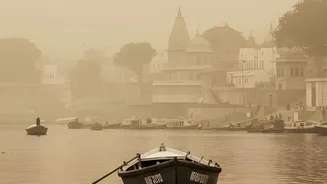
'golden hour' refers to the short period after sunrise and before sunset when the light is soft, warm, and dimensional. In winter, the sun stays lower on the horizon for much of the day. This means the coveted golden hour stretches longer, bathing the forest in a beautiful, diffused glow that makes colours pop. This soft light is far more flattering than the harsh, overhead sun of summer, which can create unflattering shadows and washed-out images. Early mornings often bring mist and fog, which can add a layer of mood and drama to your shots, creating ethereal environmental portraits. The clear blue skies, free from summer haze, provide a stunning, high-contrast backdrop for subjects, making them stand out vividly.
More Active and Visible Wildlife
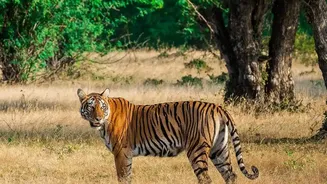
Winter’s cooler temperatures profoundly affect animal behaviour, much to a photographer's advantage. In the scorching summer, many animals retreat into dense shade during the hottest parts of the day. In winter, however, mammals like the majestic Bengal tiger are more likely to be active during daylight hours, often found basking in sunny patches to stay warm. This significantly increases the chances of prolonged sightings. Furthermore, the monsoon rains that precede winter leave the foliage lush, but as winter progresses, the undergrowth begins to thin out. This clearer line of sight makes it easier to spot and photograph animals that might otherwise be obscured by dense vegetation.
A Landscape Alive with Opportunity
Winter transforms the forest into a breathtakingly scenic landscape. The post-monsoon greenery is still vibrant, offering a rich, colourful setting for your images—the contrast of a tiger's orange coat against a lush green backdrop is a classic photographic goal. Morning frost can blanket meadows and fallen leaves, adding a delicate, sparkling texture to your compositions. The crisp, clean air, devoid of the dust and haze common in other seasons, ensures that landscape shots are sharp and full of detail. This clarity is invaluable for capturing the full breadth and beauty of India's national parks, from the Himalayan foothills of Corbett to the rocky escarpments of Ranthambore.
The Birdwatcher’s Paradise
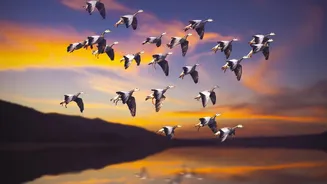
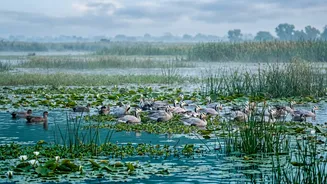
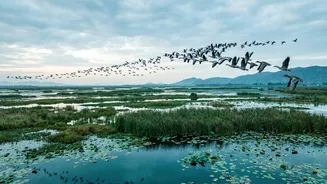
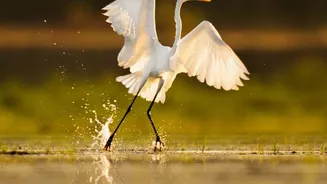
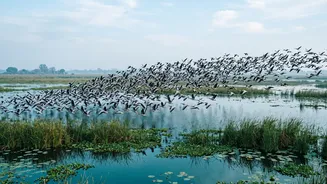
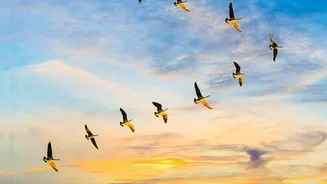
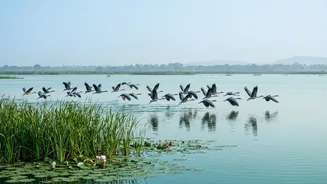
For bird photographers, winter is undoubtedly the prime season. India becomes a crucial wintering ground for a vast number of migratory bird species fleeing the harsh colds of Central Asia and Siberia. Wetlands and national parks like Keoladeo National Park in Rajasthan become teeming with life, hosting thousands of ducks, geese, and waders. The pleasant weather allows for comfortable, daylong birding sessions. Whether you’re aiming to capture a raptor in flight against a clear sky or a colourful kingfisher perched on a branch, the sheer abundance and variety of avian life from November to February present endless photographic opportunities.
Comfort and Practicality
Beyond the technical aspects of photography, winter simply offers a more comfortable safari experience. The weather is cool and pleasant, making early morning jeep rides invigorating rather than a battle against extreme heat or humidity. This comfort allows photographers to stay out longer and remain more focused and patient—two essential virtues in the world of wildlife photography. There are also fewer insects like mosquitoes to contend with, which is a small but significant comfort. While popular parks can be busy, planning a trip on the shoulder of the season, such as in November or early March, can offer a more exclusive experience.