






The Need for Speed: Quick Commerce Takes Over
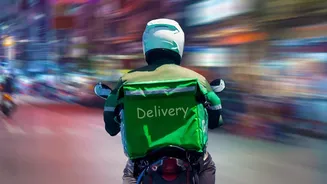
Not long ago, getting a package in two days felt like magic. Today, the benchmark is often under 15 minutes. Quick commerce, or q-commerce, has exploded from a niche service for emergency groceries into a mainstream retail channel for everything from electronics
to beauty products. Platforms like Blinkit, Zepto, and a rapidly growing Flipkart Minutes are changing consumer habits. This isn't just about faster delivery; it's about eliminating the need for planning. When you can get what you need almost instantly, the line between online and offline blurs. This shift is driven by a dense network of thousands of 'dark stores' or micro-fulfilment centres popping up in neighbourhoods across more than 400 cities, putting inventory closer to the customer than ever before. As a result, companies are moving beyond just groceries, turning quick commerce into a high-speed channel for all kinds of daily purchases.
Shopping Goes Social and Conversational
The next frontier of online shopping isn't a website; it's your chat window. Social commerce, where product discovery and purchase happen within platforms like Instagram, WhatsApp, and YouTube, is rapidly growing in India. Brands and influencers now use short-form videos and livestreams to not just showcase products, but to sell them directly. It's a shift from active searching to passive discovery, where your social feed becomes a personalized shopping mall. Studies show that a huge percentage of product discovery now starts on social media. This is particularly powerful in Tier-2 and Tier-3 cities, where platforms like WhatsApp are not just for messaging but are becoming major conduits for commerce, building on a foundation of trust and familiarity that traditional websites often struggle to replicate.
The Vernacular Revolution
For years, e-commerce in India was an English-first world. That is changing, fast. With the majority of new internet users in India preferring to use their regional languages, platforms are finally catching on. Major players like Amazon and Flipkart now offer interfaces, search functions, and customer support in multiple Indian languages, including Hindi, Tamil, and Telugu. This is more than just translation; it's about building trust. When a customer can read product descriptions, check reviews, and understand payment options in their own language, their confidence to make a purchase skyrockets. Voice search in regional languages is the next step, allowing users to shop conversationally, just as they would in their local market. This linguistic inclusivity is unlocking a massive new wave of online shoppers who were previously left out.
ONDC: The Great Unbundling
Imagine a world where you could find a product from any seller, big or small, on any shopping app. That’s the vision behind ONDC (Open Network for Digital Commerce). Backed by the government, ONDC is not another platform but an open network designed to democratize e-commerce, much like how UPI revolutionized payments. It aims to unbundle the market, allowing small local stores (kiranas) and independent sellers to become discoverable across multiple buyer apps without having to pay high commission fees to dominant marketplaces. For consumers, this promises greater choice and transparency. For the millions of small merchants, it offers a chance to compete online on a more level playing field, breaking down the walled gardens of today's major platforms.
The D2C Brand Evolution
A new generation of Indian brands is rewriting the rules of retail. Direct-to-consumer (D2C) brands, which were born online, are no longer just digital entities. Having built a loyal customer base through their websites and social media, they are now expanding aggressively into the physical world. In the first half of 2026, D2C brands accounted for a significant 28% of all retail leasing activity, up from 23% the previous year. This omnichannel approach combines the data-rich insights of online with the tangible experience of offline stores. The term D2C is now less about being 'direct' and more about an operating model built on customer proximity, agility, and using real-time feedback to make faster decisions on products and marketing.