


Cholesterol: Not All Is Bad
Cholesterol is a waxy substance that your body needs to build cells and make hormones. It travels through the blood on proteins called lipoproteins. There are two main types to know: Low-Density Lipoprotein (LDL) is often called 'bad' cholesterol because
high levels can lead to plaque buildup in your arteries, a condition known as atherosclerosis, which increases the risk for heart disease and stroke. High-Density Lipoprotein (HDL) is the 'good' cholesterol. It acts like a scavenger, picking up excess LDL cholesterol and carrying it back to the liver, which then flushes it from the body. Having high levels of HDL can lower your risk for heart disease.
The Fat Breakdown: A Simple Guide
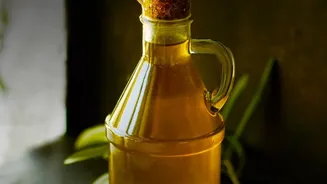
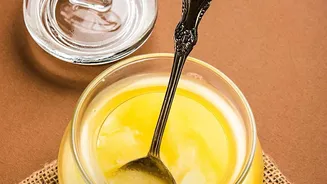
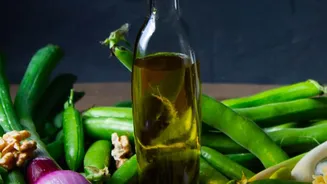
The type of fat in your cooking oil is what directly influences your cholesterol levels. Saturated fats, found in high amounts in coconut oil, palm oil, and ghee, can raise your 'bad' LDL cholesterol levels when consumed in excess. These are typically solid at room temperature. Unsaturated fats, on the other hand, are considered 'heart-healthy' fats. These are divided into monounsaturated fats (MUFA) and polyunsaturated fats (PUFA). Both help to lower LDL cholesterol. Oils rich in unsaturated fats, such as olive oil, mustard oil, and groundnut oil, are liquid at room temperature and are generally better choices for cardiovascular health.
The Omega Balance: A Crucial Factor
Polyunsaturated fats include two very important types: omega-6 and omega-3 fatty acids. Both are essential, but the balance between them is critical. Modern diets, often high in processed foods and certain vegetable oils like sunflower and soybean oil, tend to be very high in omega-6, which can be inflammatory when consumed in excess. Omega-3s, found in oils like mustard and flaxseed, are anti-inflammatory. An imbalanced ratio, heavily skewed towards omega-6, is linked to an increased risk of chronic diseases. Experts suggest that a healthier, more balanced ratio of omega-6 to omega-3 is key for good health. Mustard oil is particularly noted for having a favourable omega-6 to omega-3 ratio.
Heart-Healthy Oils for the Indian Kitchen
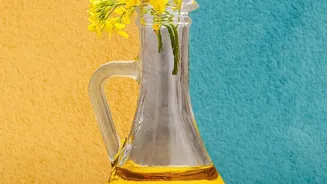
For Indian cooking, several oils are excellent choices. Mustard oil is a standout due to its high MUFA content, low saturated fat, and ideal omega fatty acid ratio, making it suitable for various cooking methods including frying. Groundnut (peanut) oil is also a good option, rich in monounsaturated fats and with a high smoke point that makes it good for sautéing and frying. Rice bran oil, with its balanced fatty acid profile and high smoke point, is another increasingly popular choice for high-heat cooking. While traditionally used, oils like coconut oil and ghee are high in saturated fats and should be used in moderation.
Cooking and Storage Tips Matter
The health benefits of an oil aren't just about its type, but also how you use it. Every oil has a 'smoke point', the temperature at which it begins to break down and release potentially harmful compounds. Oils with a high smoke point like rice bran oil or groundnut oil are better for deep-frying. Oils like extra virgin olive oil are best for drizzling or light sautéing. Furthermore, using a blend of different oils can provide a more balanced fatty acid profile. To preserve their quality, always store oils in a cool, dark place away from direct sunlight, as heat and light can cause them to degrade.