




In the hustle of city life, convenience often dictates our diets. Yet, a quiet but powerful movement is taking root in urban Indian kitchens, as families turn away from processed meals and rediscover the profound wisdom of traditional cuisine.
A Conscious Return to Roots
In cities
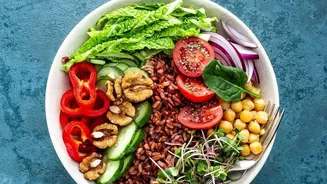
across India, a culinary renaissance is unfolding. Families are consciously swapping fast food for slow-cooked dals, and refined flour for wholesome millets. This shift is driven by a growing awareness of the pitfalls of processed foods and a renewed focus on health and immunity. The trend isn't just about nostalgia; it's a deliberate choice to embrace the nutritional powerhouse that is traditional Indian food. Comprising a balanced mix of whole grains, proteins from lentils and beans, healthy fats, and a spectrum of vegetables, these meals provide sustained energy and a wealth of essential nutrients. It represents a move toward mindful eating and an appreciation for meals that are not only delicious but also deeply nourishing.
The Rise of the 'Super Grains'
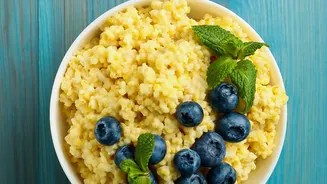
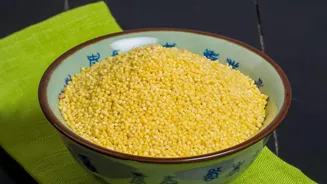
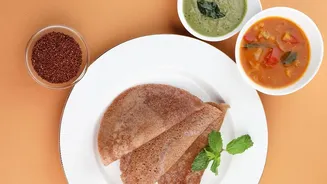
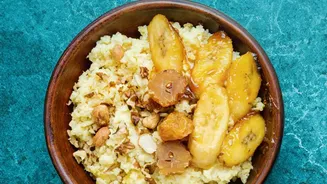
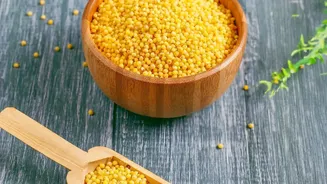
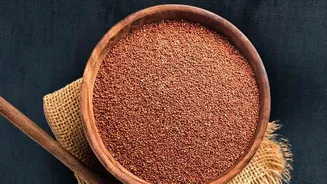
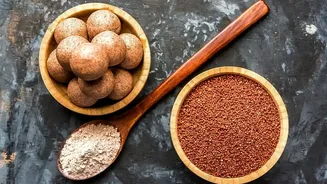
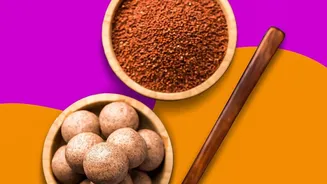
At the forefront of this revival are millets like jowar (sorghum), bajra (pearl millet), and ragi (finger millet). Once staples across the country, their consumption saw a steep decline in urban areas over the past few decades. Now, they are making a triumphant comeback. Celebrated for being gluten-free, rich in fibre and protein, and having a low glycemic index, millets are ideal for managing modern lifestyle diseases. Their versatility is a major draw for urban cooks. From ragi dosas and jowar rotis to millet-based cookies and porridges, these ancient grains are being creatively integrated into everyday meals, making healthy eating both exciting and accessible for a new generation.
Rethinking Fats and Fermentation
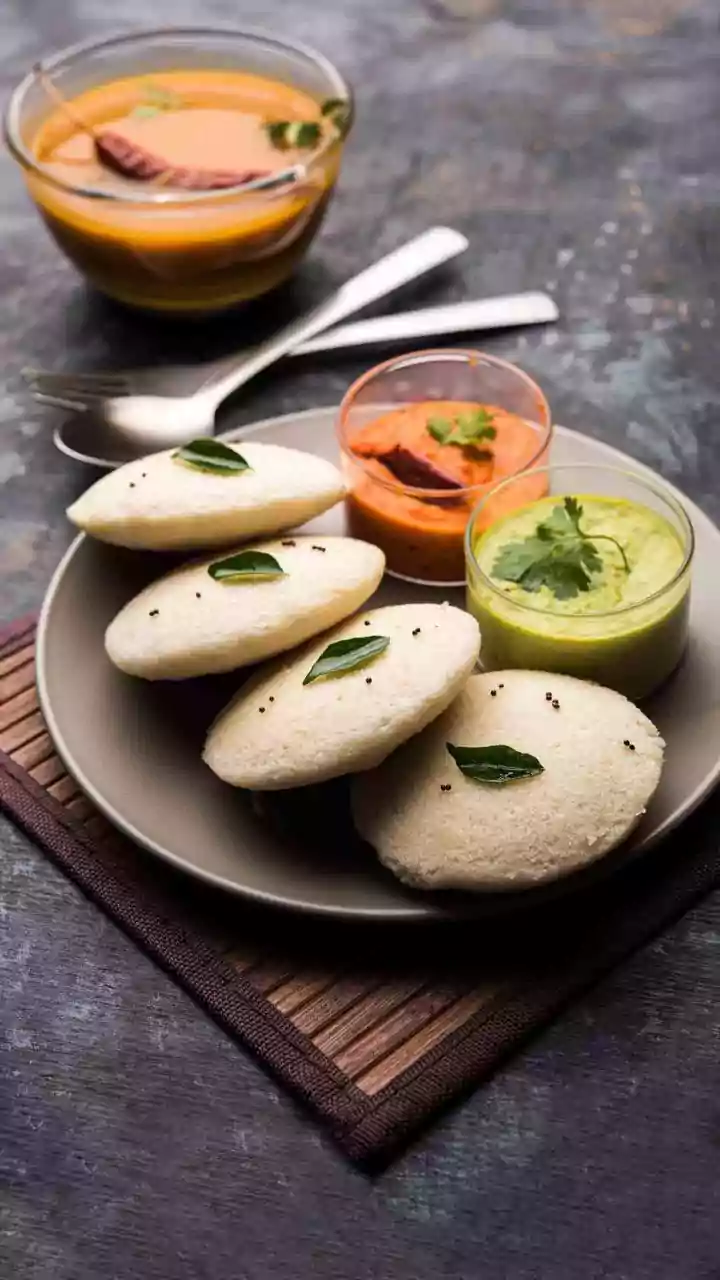
The return to tradition also involves a re-evaluation of cooking fats. Ghee, long sidelined by refined oils, is being welcomed back into the kitchen. With a high smoke point that makes it stable for Indian cooking methods, ghee is also a source of fat-soluble vitamins like A, D, and E. Unlike many chemically processed refined oils, pure ghee contains beneficial fatty acids like butyrate, which supports gut health. Alongside healthy fats, there is a growing appreciation for traditional fermented foods. Preparations like homemade curd, idli, dosa, and kanji are natural sources of probiotics, which are essential for a healthy digestive system and robust immunity. This focus on gut health is a cornerstone of the traditional food philosophy.
Eating with the Seasons
A key principle being rediscovered is 'Ritucharya', or the Ayurvedic practice of eating according to the seasons. This ancient wisdom guides food choices to align with the body's needs during different times of the year. For instance, summer diets traditionally feature cooling, hydrating foods like gourds, cucumbers, and watermelon to combat the heat. Winter, in contrast, calls for warming, nutrient-dense foods like root vegetables, sesame, and millets to boost metabolism and immunity. This practice ensures that the body receives the specific nutrients it needs to thrive in changing environmental conditions, a simple yet profound way to maintain balance and prevent illness.
Making Tradition Work Today
For busy urban families, the biggest challenge is time. However, many are finding innovative ways to fit traditional cooking into their packed schedules. Weekend meal prepping—like making batters, chopping vegetables, or preparing basic masalas—is becoming common. One-pot meals like khichdi, which combines lentils and grains, offer a complete nutritional profile with minimal effort. Furthermore, this culinary shift is fostering deeper family connections. Young adults are turning to their parents and grandparents, not just for recipes, but for the stories and heritage attached to them, preserving a vital part of their culture for the future.