





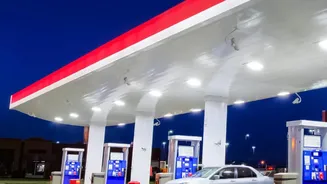
What Exactly is the 'No PUC, No Fuel' Rule?
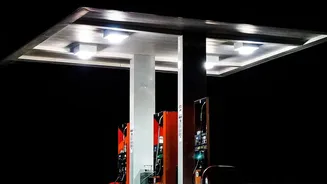
The policy is straightforward: fuel stations across Delhi and the National Capital Region (NCR) are mandated to refuse selling petrol, diesel, or CNG to any vehicle that does not possess a valid Pollution Under Control (PUC) certificate. This rule, part
of the broader Graded Response Action Plan (GRAP) to combat air pollution, has been activated from October 1, 2026. To ensure strict implementation, many fuel pumps are now equipped with Automatic Number Plate Recognition (ANPR) cameras. These cameras scan your vehicle's number plate and instantly verify its PUC status against the central VAHAN database before the pump is authorised to dispense fuel. This automated system leaves no room for error and makes compliance essential for all drivers.
Why is This Happening Now?
Vehicular emission is a primary contributor to the toxic smog that engulfs Delhi-NCR every winter. The 'No PUC, No Fuel' mandate is a pre-emptive strike by the administration to ensure that only vehicles complying with emission norms are on the road as the air quality begins to deteriorate. By linking fuel purchase directly to environmental compliance, the government aims to force a large number of polluting vehicles off the road or into maintenance. This is a critical component of the Winter Action Plan, which includes a host of other measures like restrictions on construction activities and the entry of older, more polluting commercial vehicles into the city.
The PUC Certificate: A Quick Refresher
A PUC certificate is official proof that your vehicle's emissions, such as carbon monoxide and hydrocarbons, are within the limits prescribed by law. It is mandatory for all vehicles running on internal combustion engines, including petrol, diesel, and CNG models. Only battery-operated electric vehicles are exempt from this requirement. The validity of the certificate varies. For a new Bharat Stage VI (BS-VI) compliant vehicle, the first certificate is valid for one year from the date of registration. For subsequent renewals of BS-IV and BS-VI vehicles, the validity is generally one year, while for older BS-III or earlier models, it is typically three to six months. Failure to renew it in time is what triggers non-compliance.
How to Check Your PUC Status and Renew It
The most critical check for any driver right now is their PUC's validity. Thankfully, you can do this from anywhere in a few simple steps. 1. Check Online: Visit the official Parivahan Sewa website (vahan.parivahan.gov.in). Navigate to the 'PUC Certificate' section. You will need to enter your vehicle's registration number and the last five digits of its chassis number. The portal will display your current PUC status, including its expiry date, and allow you to download or print a copy if it's valid. 2. Renew Offline: If your certificate has expired or is about to, you must visit an authorised emission testing centre. Delhi has over 900 such centres, many conveniently located at petrol pumps. The process is quick: an operator will insert a probe into your vehicle's exhaust pipe to measure emissions. If your vehicle passes, a new certificate is generated and your details are updated in the central database. The cost is nominal and fixed by the government.
The High Cost of Non-Compliance
Ignoring the PUC rule can be a costly mistake. Apart from being denied fuel, getting caught driving without a valid certificate carries a heavy penalty under the Motor Vehicles Act. The fine can be as high as ₹10,000. In addition to the fine, authorities can also suspend your driving license for up to three months or even resort to imprisonment. With the new automated ANPR systems at fuel stations and regular on-road enforcement drives, the chances of being caught are higher than ever. Ensuring your PUC is up-to-date is not just about following a rule, but also about avoiding significant financial and legal trouble.