




Plan Before You Leave
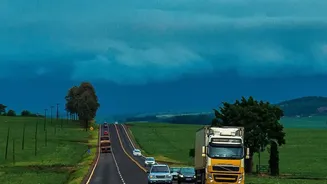
The single most important decision you can make is whether to travel at all during a heavy downpour. Before stepping out, check the latest weather forecasts from the India Meteorological Department (IMD) and local traffic updates. Many smartphone apps
now provide real-time information on waterlogged areas and traffic diversions. Always have a primary and at least one alternate route in mind. If authorities issue warnings to stay off the roads, it is wisest to listen. A delayed meeting is always better than being stranded in a dangerous situation. Inform your family or colleagues about your route and expected travel time, especially if conditions look severe.
Equip Your Vehicle for the Worst
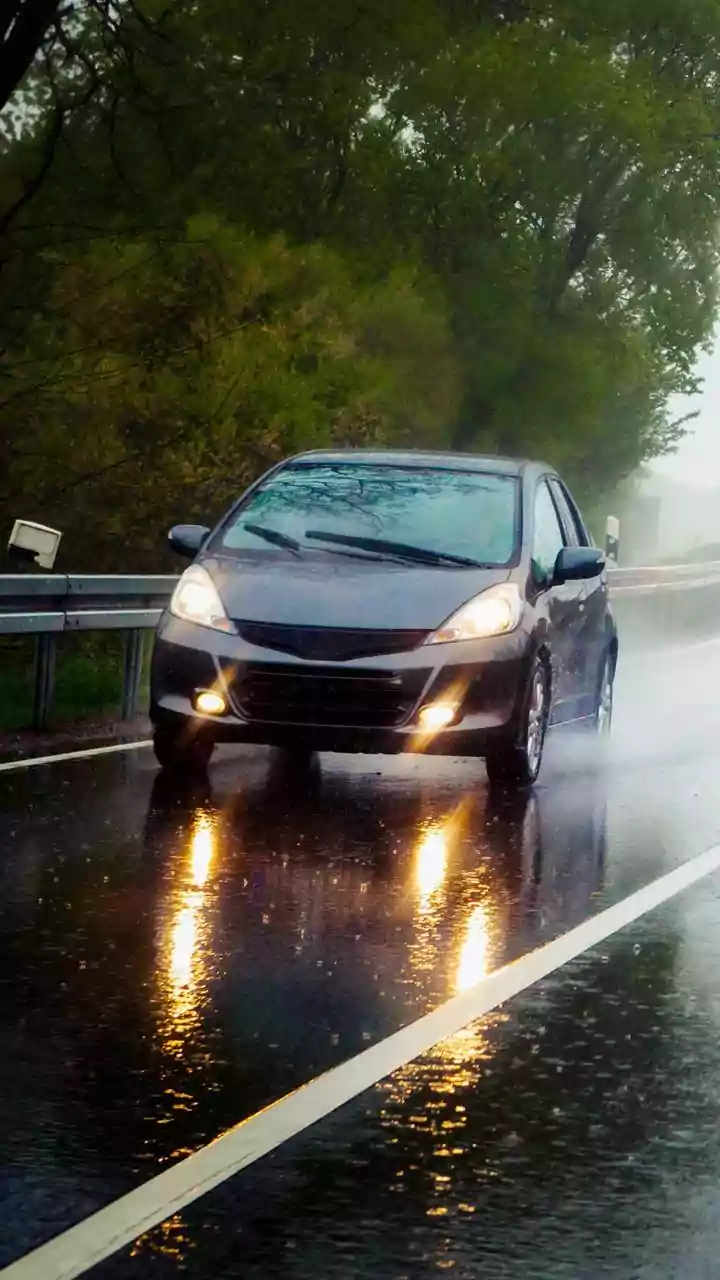
Your vehicle is your first line of defence, but it can quickly become a liability if unprepared. Before the monsoon hits, ensure your tyres have adequate tread depth, your brakes are responsive, and your wipers are in perfect condition. Visibility is critical, so treat your windshield with a rain-repellent solution and keep the inside clean to prevent fogging. For your commute, a well-stocked emergency kit is non-negotiable. This should include a powerful torch with extra batteries, a first-aid kit, jumper cables, a tow rope, and reflective warning triangles. A portable tyre inflator and a basic tool kit can also be lifesavers. Keeping these items accessible can make a huge difference if you find yourself in a breakdown.
Your Personal Commuter Go-Bag
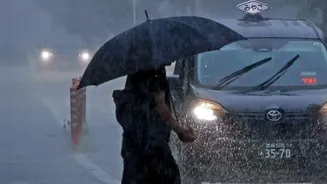
Whether you drive or use public transport, a personal emergency bag is essential. The goal is to stay dry, connected, and safe if your journey is delayed for hours. Your bag should include a lightweight poncho or raincoat, a waterproof cover for the bag itself, and a change of clothes in a sealed bag. Rubber sandals or floaters are crucial for wading through water, as leather or canvas shoes will be ruined and offer poor grip. Most importantly, carry a fully charged power bank, as your phone is your lifeline for communication and information. Also pack a small supply of drinking water, non-perishable snacks like biscuits or nuts, and any essential personal medications.
How to Navigate Waterlogged Roads
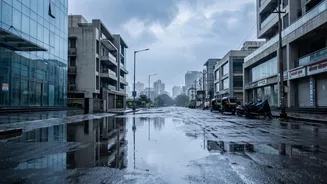
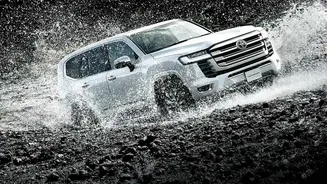
If you encounter a flooded street, the first rule is to assess the depth. As a general guide, if the water is deeper than the bottom of your car's doors, do not attempt to drive through it. Even just six inches of moving water can be enough to cause you to lose control, and a foot or two can sweep a vehicle away. If you must proceed, drive slowly and steadily in a low gear, trying to stay in the centre of the road where the water is often shallowest. Avoid sudden acceleration or braking, which can cause your vehicle to hydroplane. Be extremely wary of hidden dangers like open manholes, deep potholes, and submerged debris. After clearing a waterlogged patch, gently tap your brakes a few times to dry them out and ensure they are working effectively.
What to Do If You Get Stranded
If your vehicle stalls in water, do not try to restart the engine; this can cause severe and expensive damage. Switch on your hazard lights immediately to make yourself visible to others. The safest course of action is usually to abandon the vehicle and move to higher ground, especially if water levels are rising. Before exiting, unlock your doors and lower a window to ensure you have an escape route. Floodwater can be contaminated and may hide dangers like sharp objects or even electrical currents from fallen power lines, so proceed with extreme caution. If you must walk, use a stick to probe the ground ahead of you for firmness and hidden obstacles. Once you are in a safe location, call for roadside assistance or emergency services.