
Why This Combination Works Wonders
The magic of pairing wood and plants lies in a design principle called biophilia, which is our innate human tendency to connect with nature. Incorporating natural materials like wood and living elements like plants into our homes can reduce stress and create
a sense of calm and well-being. Rustic wood, with its raw textures, warm tones, and natural grain, brings an earthy, grounding element that counteracts the harsh, sterile lines of an empty corner. Plants add life, organic shapes, and a pop of vibrant colour, effectively blurring the sharp 90-degree angle and drawing the eye with their natural forms. Together, they create a small, nature-inspired vignette that makes the entire room feel more inviting and complete.
Choosing the Right Rustic Wood Elements
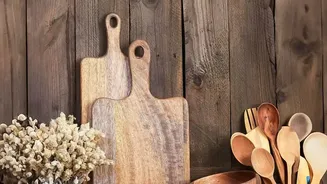
The term 'rustic wood' can mean many things, giving you a wide range of options. Reclaimed wood, salvaged from old barns or furniture, is a popular choice for its history and unique character. It works well for small shelves, accent walls, or even a simple decorative stool. A sturdy, live-edge wood slab can be mounted as a floating corner shelf, providing a perfect perch for a trailing plant. Don't overlook simpler ideas, like a decorative wooden ladder leaned into the corner to hold blankets and small pots, or even a stack of weathered wooden crates used as a multi-level plant stand. The goal is to choose pieces that have texture and a sense of warmth, whether the wood is deeply stained, lightly weathered, or left in its natural state.
Selecting the Perfect Corner Plants
Not all plants are suited for corner life. Since corners are often darker than the rest of the room, it's wise to choose plants that can tolerate lower light conditions. Tall, upright plants are excellent for adding verticality and drawing the eye upward. The Snake Plant is a nearly indestructible choice, with its stiff, vertical leaves that take up minimal floor space. For a taller, narrower silhouette, a Dracaena, also known as a Corn Plant, is a great option that can handle some neglect. If the corner receives a bit more indirect light, a Fiddle Leaf Fig can make a dramatic architectural statement, though it requires more care. For a softer, lusher look, consider a ZZ Plant or a Cast Iron Plant, both of which are known for their resilience in low-light environments.
Creating a Balanced Composition
Arranging your wood and plants is about creating a visual balance. If you have a tall plant, pair it with a lower wooden element, like a small stool or a basket. Conversely, if you're using a taller wooden piece like a ladder shelf, you can place smaller pots on its rungs and a medium-sized plant at its base. Play with scale and height. A common mistake is using items that are too small, which can look cluttered and insignificant. A single, large statement plant is often more effective than several tiny ones. For a cohesive look, choose a pot for your plant that complements the wood. Terracotta, ceramic, or woven baskets all pair beautifully with rustic tones. Don't be afraid to leave some space; the composition should feel natural and unforced, not crowded.
Extending the Theme Beyond the Corner
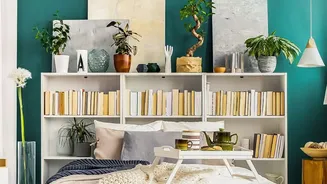
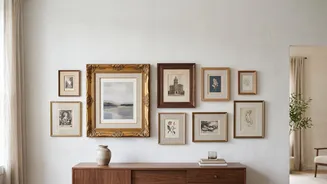
Once you've mastered the corner, you can pull these natural elements into the rest of the room to create a more unified design. This doesn't mean you need to fill every corner with a plant and a piece of wood. Instead, look for subtle ways to echo the theme. A wooden mantelpiece, a reclaimed wood coffee table, or even picture frames made of natural wood can tie the space together. Add a few smaller plants on bookshelves or side tables to distribute the greenery throughout the room. By repeating these materials and colours, your newly decorated corner will feel like an intentional and integrated part of a calm, cohesive, and nature-inspired home.