




The Great Indian Coffee Awakening
A massive shift is happening in how India consumes coffee. While instant coffee from giants like Nescafé and Bru still dominates kitchen shelves, a growing wave of younger, urban consumers is looking beyond the familiar. This new generation, comprised
largely of Millennials and Gen Z, is driving a surge in the specialty coffee market, which is projected to grow at a compound annual growth rate of nearly 14%. They are trading the quick, functional caffeine hit of instant powder for a more mindful, flavour-focused experience. This isn't just about drinking a beverage; it's about exploring a new culture, one that values story, quality, and authenticity. Cafes are no longer just meeting spots, but educational hubs where terms like 'arabica', 'pour-over', and 'single-origin' have entered the mainstream vocabulary.
What is Single-Origin, Anyway?
The term 'single-origin' is at the heart of this movement. Unlike a blend, which mixes beans from various places to achieve a consistent flavour, single-origin coffee comes from one specific geographical location—sometimes a single farm or estate. This matters because, like wine, coffee gets its character from its 'terroir': the soil, altitude, climate, and even the surrounding vegetation. For decades, India exported its best quality beans while the domestic market was served mass-market blends. Now, roasters are bringing those high-quality beans home, allowing drinkers to taste the distinct flavour profiles of India's own coffee belt. A cup of coffee is no longer just 'coffee'; it's a taste of a specific place, with a story you can trace back to the farmers who grew it.
The Call of the Estates: Coorg and Chikmagalur
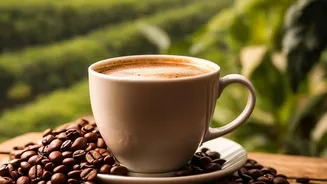
The epicentre of this coffee renaissance lies in the Western Ghats of South India, primarily in two districts in Karnataka: Coorg (Kodagu) and Chikmagalur. Chikmagalur is considered the birthplace of Indian coffee, where the Sufi saint Baba Budan is said to have planted the first seeds in the 1600s. Its high-altitude estates, often reaching 1,500 meters, produce arabica beans known for their bright, floral, and citrus notes. Coorg, India's largest coffee-producing district, offers a different profile. Its beans, grown at slightly lower elevations, are celebrated for being fuller-bodied, smoother, and offering comforting notes of chocolate and spice. Together, these regions produce world-class, shade-grown coffee that regularly scores highly on the specialty coffee scale, putting them on par with renowned global origins.
The New Coffee Drinker: Curious and Conscious
So, what’s motivating this switch? It’s a mix of rising disposable incomes, global exposure, and a cultural shift towards mindful consumption. Younger Indians are increasingly seeking premium experiences and are willing to pay for products with a transparent story. They want to know where their coffee comes from, if it was ethically sourced, and how its flavour is influenced by its origin. Social media also plays a role, turning the daily coffee ritual into an aesthetic, shareable moment. This has fueled a boom in home brewing, with many enthusiasts investing in equipment like the AeroPress, French press, and pour-over kits to recreate the café experience at home. This desire for quality and connection has created a thriving ecosystem of direct-to-consumer brands that deliver freshly roasted beans from estates directly to doorsteps.
From Bean to Cup: A New Ritual
The rise of single-origin coffee is about more than just taste; it's about the ritual. The process of grinding fresh beans, the patience of a pour-over, or the press of an AeroPress has become a meditative pause in a busy day. This hands-on approach is a stark contrast to the instant, just-add-water convenience of the past. Brands like Blue Tokai, Third Wave Coffee, and a host of smaller roasters have been pivotal in this education, not just by selling coffee but by building communities around it. They offer brewing guides, host cupping sessions, and ensure every bag comes with information about its origin, tasting notes, and a roast date—a crucial marker of freshness that was once unheard of in the domestic market.