






What Exactly Is El Niño?
El Niño is the warm phase of a natural climate pattern called the El Niño-Southern Oscillation (ENSO). It occurs every two to seven years when the trade winds that typically push warm surface water across the Pacific Ocean from South America to Asia weaken.
This weakening allows the vast pool of warm water to shift eastward, toward the coast of South America. This change in ocean temperature, though it happens far from India, is powerful enough to alter atmospheric circulation patterns worldwide, influencing weather systems, rainfall, and temperatures across the globe.
A 'Super' Event in the Making
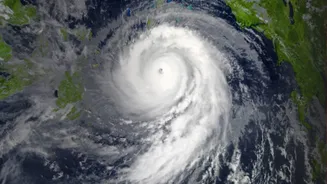
The current El Niño, which began developing in June 2026, is not a typical one. Multiple international climate centres, including the World Meteorological Organization (WMO), predict it will be one of the strongest on record, peaking around December 2026 and continuing its influence well into 2027. Forecasts suggest that sea surface temperature anomalies in the key Niño 3.4 region of the Pacific could reach exceptionally high levels. While the term 'Super El Niño' is not an official classification, it is being used to describe an event of this magnitude. For India, a strong El Niño often correlates with weaker monsoon rains and an increased risk of drought, particularly in the northern parts of the country.
From Hot Weather to 'Heat Stress'
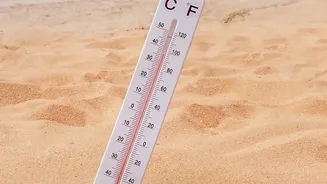
The primary concern stemming from a powerful El Niño is the increased likelihood of extreme heat. But the danger is more than just a high number on a thermometer. The real threat is 'heat stress', a condition where the body cannot cool itself properly to maintain a healthy temperature. According to the National Disaster Management Authority (NDMA), it's a state of physiological stress that can even lead to death. Heat stress is determined not just by temperature, but also by humidity, wind speed, and solar radiation. When it's very humid, sweat doesn't evaporate easily from the skin, which is the body's main way of cooling down. This is why a 35°C day with high humidity can feel far more dangerous than a 40°C day in a dry climate.
The Body Under Duress
When the body accumulates more heat than it can release, it can lead to a cascade of health issues. These range from milder conditions like heat cramps, dizziness, and fatigue (heat exhaustion) to the life-threatening emergency of a heat stroke. A heat stroke occurs when the body's internal temperature rises to 40°C or higher; the sweating mechanism can fail, and the body loses its ability to cool down. This can cause confusion, seizures, loss of consciousness, and permanent damage to the brain, heart, and kidneys if not treated immediately. Extreme heat also exacerbates existing chronic conditions like cardiovascular disease, diabetes, and respiratory illnesses.
Who Is Most Vulnerable?
While everyone is susceptible to heat stress, some groups face a much higher risk. This includes outdoor labourers, farmers, and construction workers, who have prolonged exposure. The elderly, whose bodies may not regulate temperature efficiently, and young children are also particularly vulnerable. Individuals with pre-existing medical conditions, including heart disease, obesity, and mental health conditions, are at heightened risk because the strain of cooling the body puts extra stress on their systems. Certain medications can also interfere with the body's ability to handle heat.
How to Stay Safe
India's NDMA has established comprehensive guidelines for managing heatwaves, which states are encouraged to adopt into local Heat Action Plans. For individuals, prevention is key. The advice is straightforward but crucial: Stay hydrated by drinking plenty of water, even before you feel thirsty. Avoid strenuous outdoor activity during the hottest part of the day, typically between 11 a.m. and 4 p.m. Wear lightweight, loose-fitting, and light-coloured clothing. If you must be outside, take frequent breaks in the shade. Never leave children or pets in a parked vehicle, where temperatures can rise to deadly levels within minutes. Pay attention to local weather forecasts and heat warnings issued by agencies like the IMD.