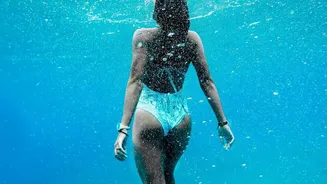







Taking a dip in the pool or ocean on a hot day is one of life's simple pleasures. But for contact lens wearers, a quick swim could pose serious, sight-threatening risks. Here’s what you need to know about why water and contacts simply don't mix.
Why Water and Lenses Are a Dangerous Mix
The fundamental
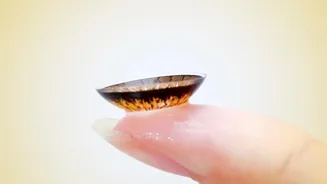
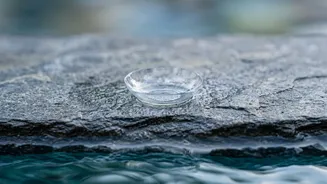
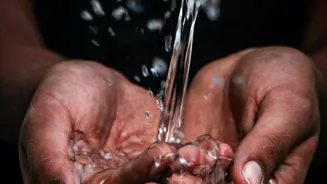
rule from eye care professionals is clear: never expose your contact lenses to any type of water. This includes swimming pools, oceans, lakes, hot tubs, and even the shower. Soft contact lenses are porous, much like a sponge, and can readily absorb water along with any microorganisms it contains. When this happens, the lens traps these germs directly against your cornea, the sensitive front surface of your eye, creating a perfect breeding ground for infection. Water also causes soft lenses to swell, change shape, and stick to the eye, which can lead to discomfort and tiny scratches on the cornea, making it even more vulnerable to infection.
The Most Severe Threat: Acanthamoeba Keratitis
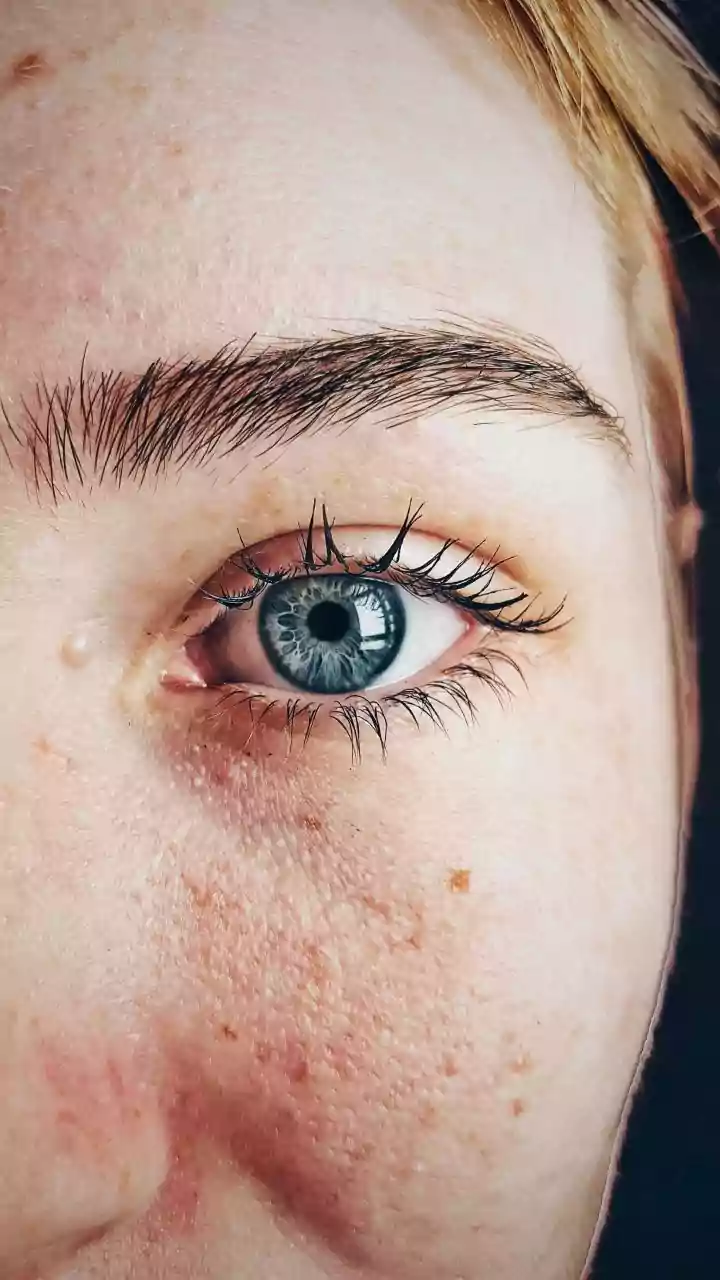
Among the most dangerous risks is an infection called Acanthamoeba keratitis. This condition is caused by a microscopic, free-living amoeba commonly found in nearly all water sources, including tap water, soil, and chlorinated pools. While the infection is rare, it is incredibly serious, painful, and difficult to treat, often requiring months of intensive therapy. Contact lens wear is the main risk factor for this devastating infection. If the amoeba gets trapped under a lens, it can invade the cornea, leading to severe pain, permanent vision loss, and in some cases, the need for a corneal transplant or even removal of the eye.
Don't Trust Chlorine or Salt Water
Many people believe that chlorinated pools or salty ocean water are safer, but this is a dangerous misconception. Chlorine does not kill all harmful microorganisms instantly, and it can also bind to your contact lenses, causing significant irritation, dryness, and discomfort. Ocean water presents its own hazards, including salt that can dehydrate your lenses and marine bacteria that can lead to infection. Furthermore, both environments can cause your lenses to shift, get dislodged, or even float away, leaving you with blurry vision in the water. Eye care professionals and health organizations like the CDC advise that no type of water is safe for contact lens wear.
What About Goggles Over Contacts?
Wearing tight-fitting swimming goggles over your contact lenses can reduce the risk of water exposure, but it does not eliminate it. If the goggles leak or are lifted even for a moment, water can seep in and contaminate your lenses. For this reason, most optometrists still advise against this practice as the primary solution. If you must wear contacts while swimming, pairing them with high-quality, well-sealed goggles is a necessary precaution. The safest approach is to use daily disposable lenses that can be thrown away immediately after you get out of the water, minimising the time any contaminants stay in contact with your eye.
Safer Alternatives for Clear Vision
Fortunately, there are several excellent and safe ways to see clearly while you swim. The most highly recommended option is a pair of prescription swimming goggles. These have corrective lenses built directly into the goggles, providing clear vision without any of the infection risks associated with contact lenses. They are available in standard prescriptions and can also be custom-made to correct astigmatism. For those seeking a more permanent solution for an active lifestyle, vision correction surgery like LASIK may be an option to discuss with your eye doctor.