




The perfect updo looks effortless, but keeping it in place is another story. Whether your hair is fine, thick, or curly, the right preparation and technique can make all the difference between a style that lasts and one that falls flat.
The Foundation for a Flawless Updo
Before diving into
techniques for specific hair types, the single most important rule for a lasting updo is to start with the right foundation. Stylists agree that freshly washed hair is often too soft and slippery for an updo to grip properly. Hair that is on its second day has a bit of natural oil and texture, which helps bobby pins and elastics stay put. If you must wash your hair the same day, you can replicate this grip by using a texturizing spray or a dry shampoo at the roots. These products absorb excess oil and create a matte, grippy texture that is ideal for building a stable style. Also, ensure your hair is completely dry before you begin styling; even a little dampness can cause the hair to shift and loosen as it dries, leading to your style falling apart.
For Fine Hair: Building Volume and Grip
The main challenges for fine hair are creating the illusion of fullness and preventing pins from sliding out. The key is to add texture and volume without weighing the hair down. Start with a volumizing mousse on damp hair before blow-drying, focusing on the roots. When styling, lightly teasing the roots at the crown and in the sections you plan to pin will create a cushion for the pins to anchor into. For buns and chignons, using a hair donut can instantly make your updo look fuller. When it comes to securing the style, traditional bobby pins can often slip. Try using spiral-shaped spin pins or U-shaped pins, which are designed to hold more hair with less slipping. Finally, finish with a light-hold, flexible hairspray; heavy sprays can make fine hair look stiff and cause it to collapse.
For Thick Hair: Mastering Weight and Security
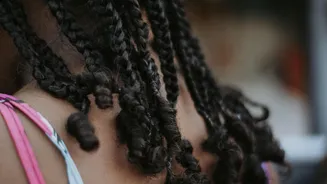
With thick hair, the enemy is weight. A heavy updo can not only fall under its own heft but also cause headaches. The secret is to distribute the weight through sectioning. Instead of pulling all your hair into one large bun or twist, try creating the style in two or more parts. For example, you can create a half-up style first, securing the top section, and then incorporate the bottom section into the updo. This divides the weight and creates more anchor points. Using strong, large bobby pins or French-style U-pins is also crucial, as standard pins may bend or fail to hold the density of your hair. Braiding sections before pinning them into an updo can also help manage the volume and secure the hair more effectively.
For Curly Hair: Embracing Texture and Control
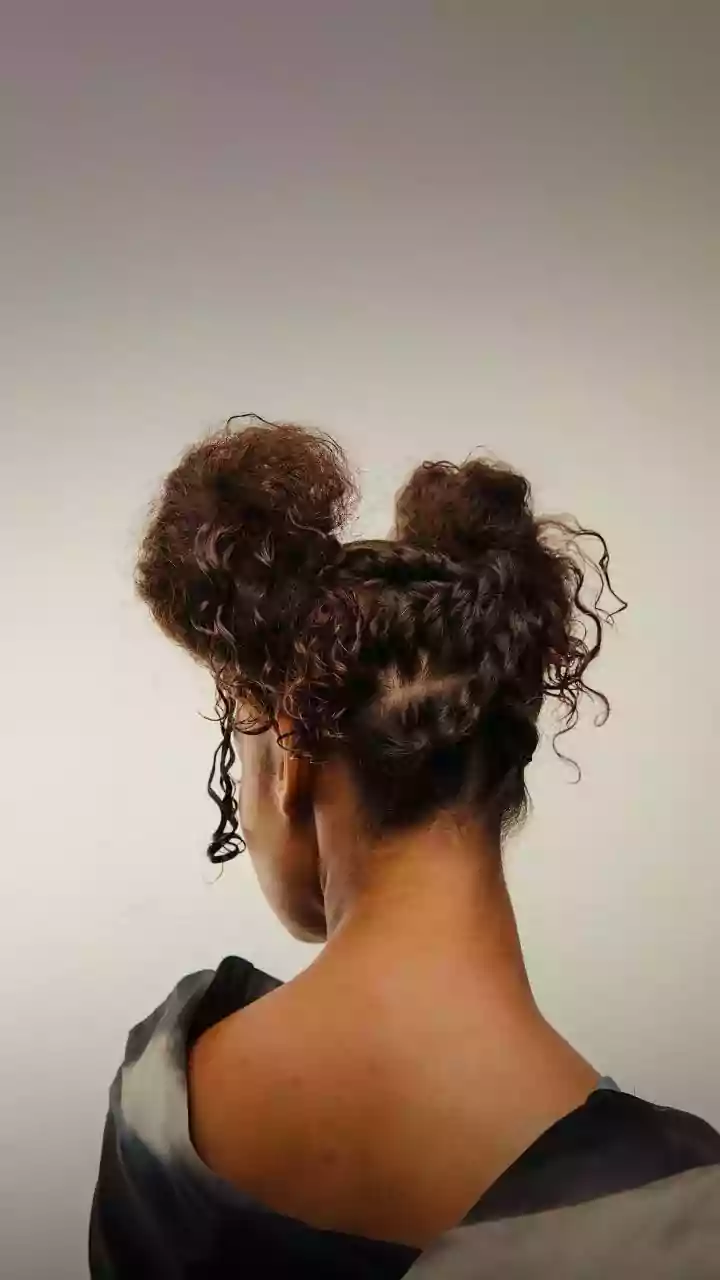
The beauty of an updo on curly hair is its natural volume and texture, but frizz and unruly coils can be a challenge. The goal is to work with your curl pattern, not against it. Start with well-moisturised hair, using a curl cream or light gel to define your curls and reduce frizz before you even begin styling. When creating your updo, avoid brushing your curls out, which can disrupt the pattern and cause frizz. Instead, gently gather sections with your fingers. Styles like a 'pineapple' (a high, loose ponytail on top of the head) or a low chignon work well. Use bobby pins to tuck and secure individual curls or sections, allowing the natural shape of your hair to form the updo. A finishing spritz of a humidity-blocking hairspray can help keep frizz at bay all day.