






The crisp, cool air can make outdoor workouts invigorating. But as temperatures drop, your joints need extra care. Lower temperatures can lead to stiffness and a higher risk of injury, making proper precautions essential for a safe session.
Why Joints Ache in the Cold
Cold weather
can trigger several physiological responses that affect your joints. A drop in barometric pressure, which often precedes cold, damp weather, may cause tendons, muscles, and surrounding tissues to expand, leading to pain in confined joint spaces. Additionally, cold temperatures can cause muscles to tighten and the synovial fluid that lubricates your joints to become thicker and less slippery, resulting in increased stiffness and reduced mobility. Blood vessels also constrict to conserve core body heat, which limits blood flow to your extremities and can contribute to that stiff, achy feeling.
The Crucial Dynamic Warm-Up
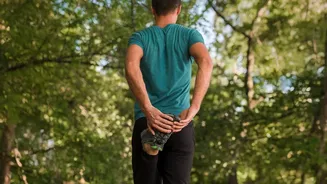
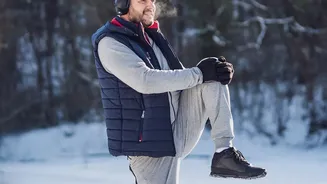
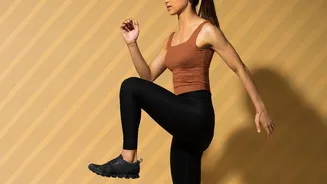
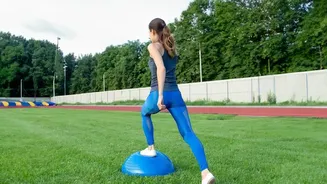
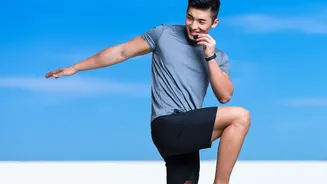
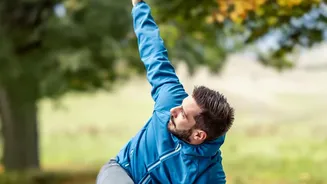
Never skip your warm-up, especially in the cold. Cold muscles are less flexible and more prone to injury. A dynamic warm-up, which involves actively moving your joints through their full range of motion, is critical. Spend 5 to 10 minutes before you head outside doing movements like leg swings, arm circles, high knees, walking lunges, and torso twists. This gradually increases your heart rate, raises muscle temperature, and boosts blood flow, preparing your body for the workout ahead and reducing injury risk. It’s best to start with lower-impact movements and progressively increase the intensity.
Dress Smart With Breathable Layers
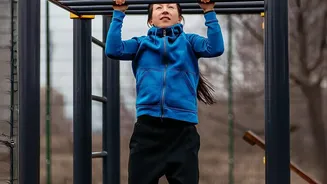
Layering is the most effective way to dress for a cold-weather workout. The goal is to trap heat while allowing sweat to escape, keeping you dry and comfortable. Avoid cotton, as it holds moisture and can make you feel colder. Instead, follow a three-layer system: a moisture-wicking base layer made of a synthetic material like polyester to pull sweat from your skin, an insulating middle layer like fleece to retain body heat, and a waterproof or wind-resistant outer layer to protect you from the elements. You can remove layers as you warm up to prevent overheating.
Protect Your Extremities and Choose the Right Footwear
A significant amount of body heat is lost through your hands, feet, and head, so protecting them is key to staying warm. Wear gloves, a hat or beanie, and warm socks. Consider compression sleeves for joints like knees and elbows, which can provide extra warmth and support. Your footwear is also important. Slick or icy surfaces increase the risk of slips and falls that can cause serious joint injuries. Choose shoes with good traction, such as trail running shoes, to improve your stability on unpredictable terrain.
Hydrate and Listen to Your Body
You might not feel as thirsty in the cold, but hydration is just as important for joint health during winter workouts. Dehydration can reduce the lubrication in your joints, as cartilage is composed of about 70–80% water. Make sure to drink water before, during, and after your exercise session. It’s also vital to listen to your body. While some mild stiffness is normal, sharp or persistent pain is not. Cold weather can place extra stress on the body, so don't push yourself too hard, especially when starting out.
Prioritise Post-Workout Recovery
Your recovery routine is just as important as the workout itself. After exercising, get out of your sweaty clothes quickly to avoid a rapid drop in body temperature. Follow up with some gentle static stretching, holding each stretch for 15–30 seconds to improve flexibility and cool down your muscles. A warm bath can help soothe stiff joints and relax tight muscles by enhancing blood flow. Finally, refuel within 30 minutes to an hour with a balanced meal containing carbohydrates and protein to replenish energy stores and support muscle repair.