


Redefining 'Edible Yield' in the Kitchen
When we hear the term 'edible yield', the mind often jumps to the parts of ingredients we discard: potato peels, carrot tops, and meat trimmings. In professional kitchens, this is a critical calculation of the usable amount of an ingredient after it's
been prepped. It's the weight of the onion after peeling or the steak after trimming. But for the home cook, yield is more than just what's left on the cutting board. It's also about what’s lost during the cooking process itself. Shrinkage from moisture loss can significantly reduce the final volume of meats and vegetables. More subtly, it's about the parts of a dish that become less desirable due to poor texture or bland flavour, which might get eaten without enjoyment or left on the plate. True yield is about maximising the delicious, enjoyable portion of the food you paid for.
The Power of a Premium Finishing Oil
Enter the premium ingredient: a high-quality, cold-pressed, extra virgin olive oil. It’s important to distinguish this from the everyday olive oil you might use for sautéing. We’re talking about a ‘finishing oil’—an ingredient used raw at the end of the cooking process. These oils are prized for their complex, vibrant flavours and higher concentrations of polyphenols, natural compounds that contribute to both taste and potential health benefits. While a high-end oil might seem like a splurge, its strategic use is not about extravagance but about elevation and preservation. By shifting its role from a simple cooking fat to a final flavour enhancer, you can fundamentally change the texture and appeal of your ingredients, thereby increasing how much of it you truly want to eat.
How a Drizzle Maximises Your Meal
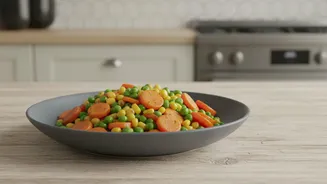
So, how does a simple drizzle of oil increase yield? First, it enhances flavour so effectively that it makes previously overlooked parts of vegetables delicious. Think about the sturdy stems of broccoli or cauliflower leaves. Often discarded, they can be transformed with a quick roast or steam and a finishing touch of flavourful oil and flaky salt. Suddenly, what was once destined for the compost bin becomes a valued part of the meal. Second, a finishing oil helps preserve texture and moisture. When you drizzle a good oil over hot, freshly cooked vegetables, meats, or fish, it can create a light barrier that helps lock in moisture that would otherwise evaporate. This means vegetables stay plump and succulent, and lean proteins remain tender. The result is a dish that not only tastes better but also retains more of its original volume and weight, giving you a higher-quality final product.
Putting It Into Practice at Home
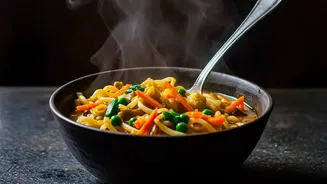
Integrating a finishing oil into your cooking is simple. The key is to avoid high heat, which can destroy its delicate flavours and beneficial compounds. Instead, use your more affordable, all-purpose oil for roasting and pan-frying. Reserve the premium oil for the final step. Take vegetables straight from the oven and, while they are still steaming, toss them with a light coating of your finishing oil, a sprinkle of good salt, and a squeeze of lemon. Drizzle it over a simple fish fillet that has been steamed or baked. Whisk it into dressings for salads that feature crisp, fresh produce. You can even add a swirl to a hearty vegetable soup just before serving to add a layer of richness and aromatic complexity. The goal is to let the oil's raw, pure flavour shine.
Is the Higher Price Justified?
It’s reasonable to question the value of a pricey bottle of oil. However, when viewed through the lens of edible yield and flavour enhancement, the cost becomes more of a strategic investment. A little goes a long way; often, a single teaspoon is enough to finish a dish for one or two people. By making simple ingredients taste exceptional, you may find yourself relying less on complex, store-bought sauces and dressings. Furthermore, by making more parts of your vegetables delicious and desirable, you are directly reducing food waste and stretching your grocery budget further. Investing in high-quality foundational ingredients can improve the entire cooking experience, turning it from a chore into a more satisfying, creative act. Ultimately, the value is found not just in the bottle, but in the food it saves and the meals it transforms.