




The Salty Truth Hiding in Plain Sight
Many of us are aware that too much salt is bad for our health. High sodium intake is a major contributor to high blood pressure, which increases the risk of heart disease and stroke. The World Health Organization (WHO) recommends that adults consume less
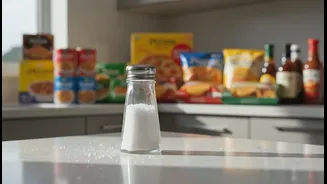
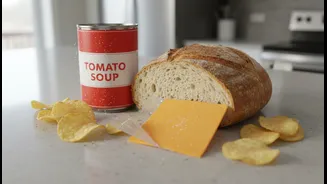
than 2,000 milligrams of sodium per day, which is about one teaspoon of salt. Yet, studies show that the average sodium intake in India is often double this recommendation. While we might be careful about the salt we add during cooking, a huge amount of our daily intake comes from processed and packaged foods where the sodium content isn't always obvious. Snacks, sauces, and spreads are significant contributors, quietly adding up and pushing us over our daily limit.
The Deceptive World of Snacks
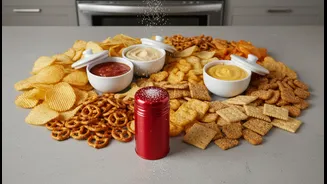
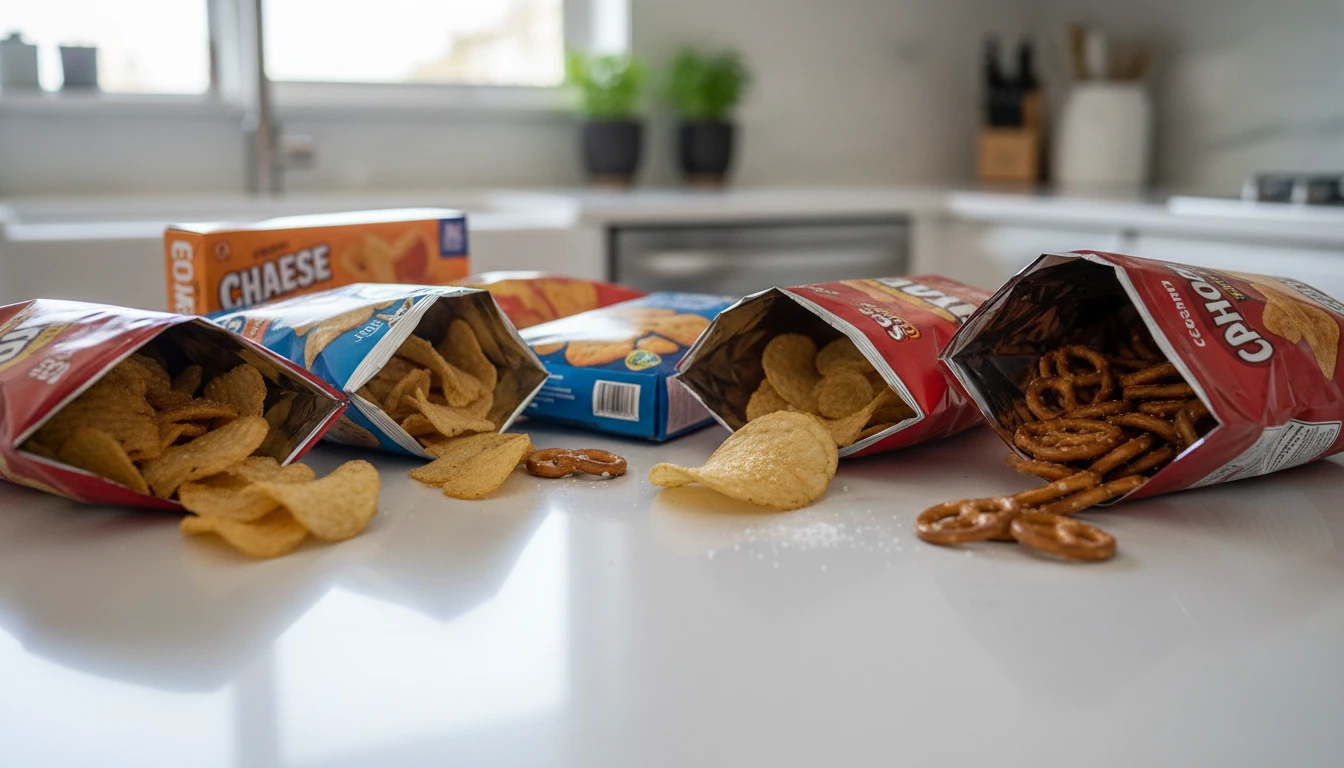
That casual handful of bhujia or a small packet of chips might seem harmless, but they are often loaded with sodium. A 50-gram serving of a popular namkeen or bhujia can contain anywhere from 450 to 580 mg of sodium. Even items we consider traditional, like papad, are surprisingly high in salt. One roasted papad can have between 280 and 380 mg of sodium. Because these are eaten between meals or as an accompaniment, we often don't account for their contribution to our daily total. The problem is compounded by misleading serving sizes on packages, which may list a small portion that few people actually stick to, making it easy to consume two or three times the listed sodium amount in one sitting.
When Sauces and Spreads Add More Than Flavour
The sauces and spreads sitting in your refrigerator door could be salt bombs. Research has shown that sauces and spreads are one of the food groups with the highest average sodium content. A single tablespoon of soy sauce, for example, can contain a staggering 1,000 mg of sodium, which is half the recommended daily limit. Tomato ketchup, chutneys, and pickles are also major sources. One tablespoon of a typical mango pickle can have 350-450 mg of sodium. Even seemingly innocuous spreads like cheese spreads and butter add to the tally. These condiments are used to enhance the flavour of our food, but their liberal use can drastically increase the salt content of an otherwise healthy meal.
How to Become a Salt-Savvy Shopper
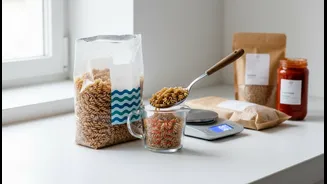
Reducing your intake of hidden sodium doesn't mean your food has to be bland. It’s about making smarter choices. The first step is to become a diligent label reader. In India, FSSAI regulations require nutritional information on packaged foods. Look for the sodium content per 100g to make fair comparisons between products—anything over 600mg per 100g is generally considered high-salt. When possible, opt for products labelled 'low sodium' or 'no salt added'. You can also take control by making your own versions at home. A homemade mint chutney or tomato sauce will have a fraction of the sodium found in store-bought versions. Instead of relying on salt for taste, experiment with herbs, spices, lemon juice, and vinegar to add flavour to your dishes.