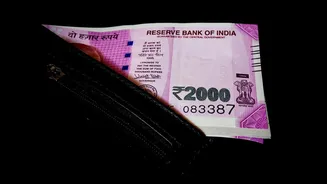








The Psychology of Frictionless Spending
Each tap-to-pay feels insignificant. A coffee for ₹150, a shared cab ride for ₹80, a quick snack for ₹50. Individually, these amounts are tiny, but collectively, they create a significant leak in your finances. This phenomenon is rooted in what psychologists
call the 'pain of paying'. When you hand over physical cash, your brain registers a tangible loss. Digital payments, especially seamless ones like UPI, remove this friction. The transaction is abstract, happening in a few clicks with no physical exchange, which makes it harder for our brains to track the cumulative impact until the bank statement arrives. These micro-spends don't trigger our mental alarms, leading to a 'death by a thousand cuts' for our savings goals.
Conduct a Ruthless Spending Audit
Before you can plug the leaks, you need to find them. The first step is to become a detective of your own spending. Set aside 30 minutes and open your primary UPI app—be it Google Pay, PhonePe, Paytm, or BHIM. Scroll through the last 30 days of your transaction history. Don't just glance; actively categorise each expense. You can use a simple notebook or a spreadsheet. Create columns for categories like 'Food & Drinks', 'Local Travel', 'Shopping', 'Bills', and 'Miscellaneous'. You will likely be surprised by how much you are spending on non-essential, impulsive buys. The goal isn't to feel guilty, but to gather data. Awareness is the first and most crucial step toward change.
Reintroduce Healthy Financial Friction
Since the core problem is frictionless spending, the solution is to intentionally add some friction back into your process. This doesn't mean going back to cash for everything. Instead, create smart barriers. One effective method is to use a separate bank account exclusively for your discretionary UPI spends. At the start of the week or month, transfer a fixed budget amount into this account. Once the funds run out, your spending for that period stops. Another tip is to disable quick-pay features or auto-refills for wallets where possible. The simple act of having to manually enter your PIN for every transaction forces a moment of pause, giving you a chance to ask, "Do I really need this?"
Embrace the 'Pay Yourself First' Rule
A powerful shift in mindset is to move from a 'save what is left' approach to a 'spend what is left after saving' one. This is the essence of the 'pay yourself first' principle. At the beginning of every month, the very day your salary is credited, automate your savings. Set up recurring transfers or Standing Instructions (SIs) to move a predetermined amount from your salary account to your savings, investment, or PPF accounts. By prioritising your savings goals, you are effectively working with a smaller pool of money for your daily expenses. This forces you to be more mindful of your spending, as the money simply isn't there for mindless splurges.
Use Technology to Fight Technology
Your smartphone got you into this mess, and it can also help get you out. Many UPI and banking apps now have built-in expense trackers and analytics. The BHIM app, for instance, offers 'Spend Analytics' that categorises transactions and allows you to set self-defined spending limits, sending you alerts as you approach them. Other third-party apps like Axio, FinArt, or Jupiter are designed specifically for the Indian market to automatically track and categorise your spending by reading bank SMSs. These apps provide a clear, visual breakdown of where your money is going, helping you spot problematic patterns in your daily UPI habits without the manual effort of a spreadsheet.
Adopt a Simple Budgeting Framework
You don't need a complicated financial plan to manage micro-spends. A simple framework like the 50/30/20 rule can work wonders. Allocate 50% of your income to 'Needs' (rent, groceries, EMIs), 30% to 'Wants' (dining out, entertainment, shopping), and 20% to 'Savings'. Your daily UPI micro-spends will mostly fall under the 'Wants' category. By assigning a clear limit (30% of your income) to this bucket, you create a clear boundary. When you know you only have a certain amount to spend on wants for the month, you become more discerning about each purchase, no matter how small. It transforms your spending from a reactive habit into a conscious choice.