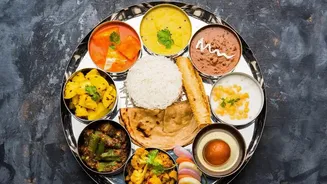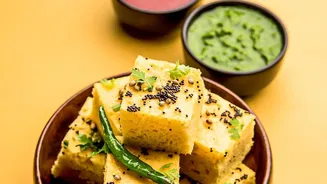

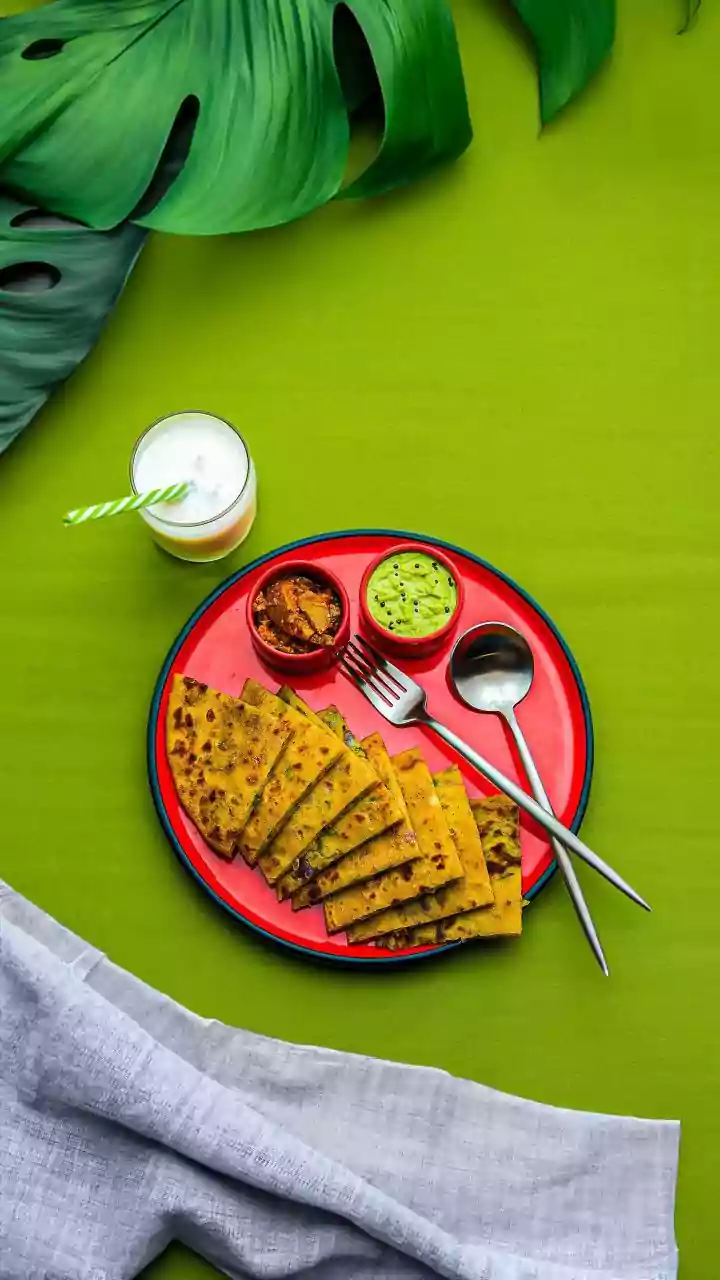


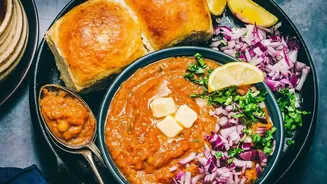
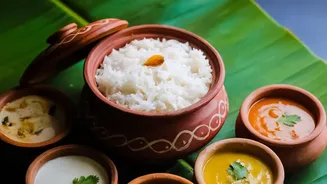
The Philosophy of Sawan Food
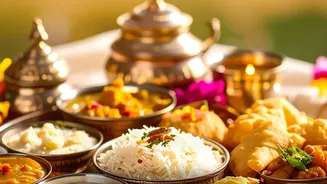
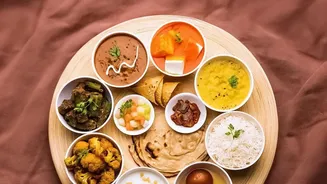
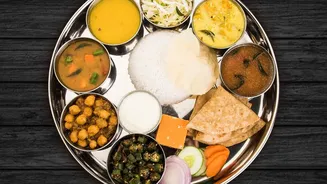
Sawan fasting cuisine is built on the principle of eating sattvik or pure foods that are light on the digestive system, which is believed to be weaker during the monsoon. This means avoiding ingredients like onion, garlic, regular table salt, wheat, and
lentils. Instead, kitchens turn to a special pantry of vrat-friendly items. These include flours like kuttu (buckwheat), singhara (water chestnut), and rajgira (amaranth). Staples like sabudana (tapioca pearls), samak rice (barnyard millet), potatoes, fruits, and dairy products form the backbone of most meals. Seasoning is kept simple with sendha namak (rock salt), cumin, green chillies, and ginger.
Northern India's Hearty Vrat Cuisine
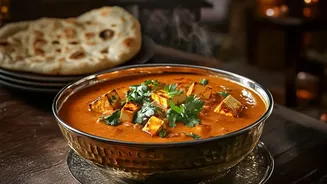
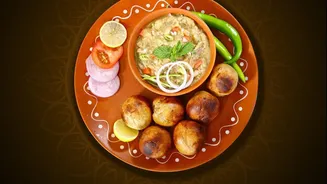
In states like Uttar Pradesh, Punjab, and Uttarakhand, Sawan meals are hearty and satisfying. Kuttu ki Puri, a deep-fried bread made from buckwheat flour, is a common sight. It's often paired with a simple but flavourful potato curry, Vratwale Aloo, which is prepared without onions or garlic. Another popular dish is Arbi ke Pakode, crispy fritters made from colocasia root, which are especially comforting on a rainy day. For a sweet ending, Singhare ka Halwa, a rich dessert made from water chestnut flour and ghee, provides warmth and energy.
Western India's Sabudana Staples
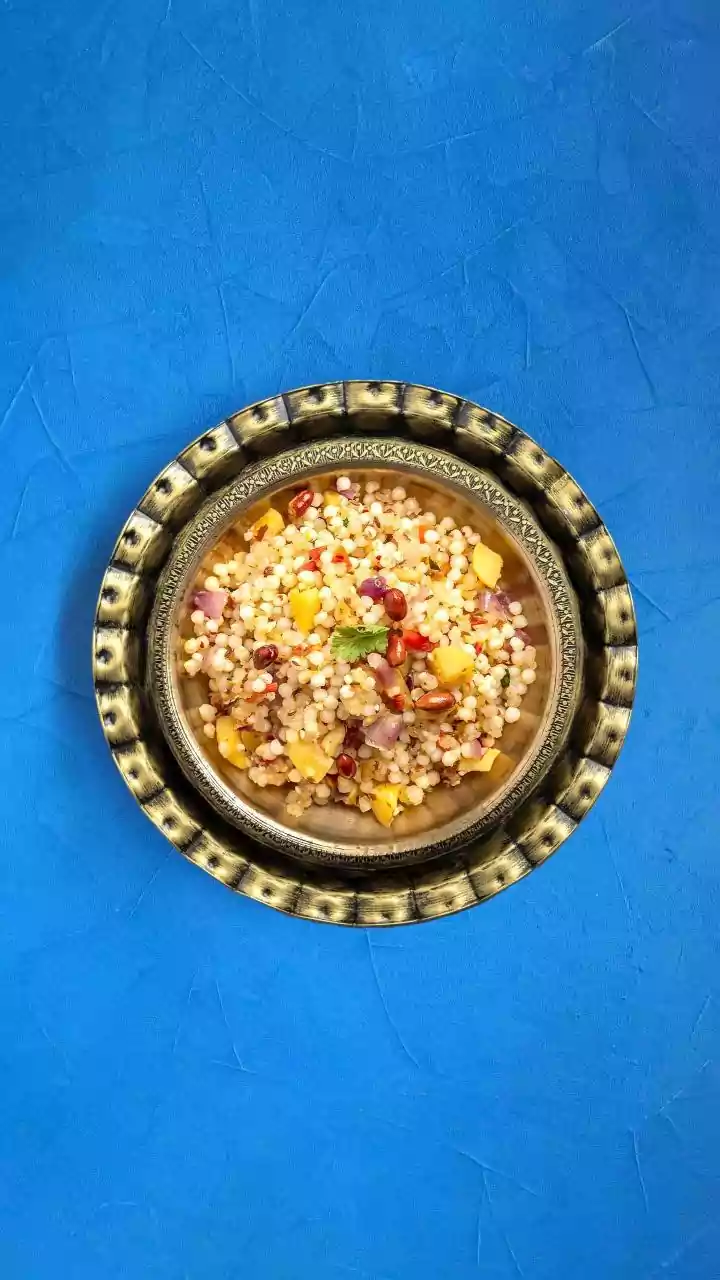
Maharashtra and Gujarat have a deep-rooted love for sabudana during fasting periods. Sabudana Khichdi is arguably the most iconic Sawan dish from this region, combining soaked tapioca pearls with roasted peanuts, potatoes, and mild spices. It’s light, filling, and a nationwide favourite for vrat days. Another beloved snack is the Sabudana Vada, where mashed potatoes and sabudana are mixed with peanuts and spices, then fried to a golden crisp. In Gujarat, you'll also find Rajgira Puri, made from amaranth flour, often served with a simple potato sabzi. These dishes showcase how a few simple ingredients can be transformed into diverse and delicious meals.
Eastern India's Comforting Delights
In Bihar and surrounding regions, makhana (fox nuts) takes centre stage. Makhana Kheer is a creamy, comforting dessert where roasted fox nuts are simmered in sweetened milk and flavoured with cardamom. Rich in calcium, it’s a popular choice for breaking a fast. While many associate Bengali cuisine with fish, the state also has a rich vegetarian tradition. During Sawan, simple dishes that are easy to digest are preferred. Though not strictly a fasting dish for all, Ghugni, a curry made from dried yellow or white peas, can be adapted for sattvik diets by omitting onion and garlic.
Southern India's Subtle Flavours
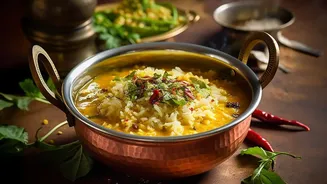
In South India, the observance of Shravan often involves simpler, home-centric rituals. While fasting rules can differ, the emphasis remains on light, pure food. Instead of the wheat-flour alternatives of the north, you might find dishes made with barnyard millet (samak rice), prepared as light idlis or dosa. Raw bananas also feature prominently, prepared as simple fries or mash (podimas). For a sweet touch, payasam (kheer) made from ingredients like sweet potato or lentils and jaggery is common, along with Panakam, a traditional drink made with jaggery, dry ginger, and cardamom that helps restore energy.