




The Slow Farewell to Roti and Chawal
For generations, cereals like wheat and rice have formed the bedrock of Indian meals. But the latest Household Consumption Expenditure Survey (HCES) for 2022-23 confirms a dramatic change: the share of expenditure on cereals has plummeted. In rural India,
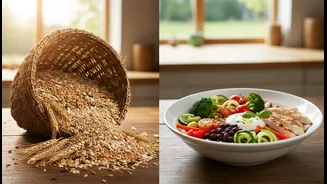
spending on cereals dropped from over 22% in the late 90s to just 4.9% now. Urban India saw a similar fall, from 12.4% to a mere 3.6%. This doesn't mean Indians have stopped eating grains, but it shows that as incomes rise, cereals no longer dominate the food budget. The overall consumption of cereals has declined significantly, with rural areas seeing a drop of over 53 grams per person per day compared to a decade ago. This marks a pivotal moment, reflecting a nation moving beyond basic calorie fulfillment.
The Rise of a More Diverse Plate
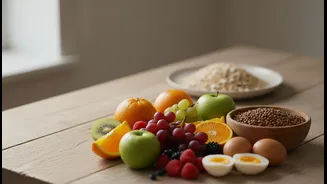
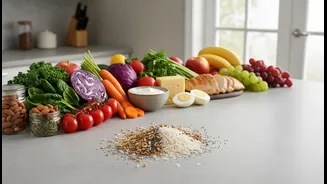
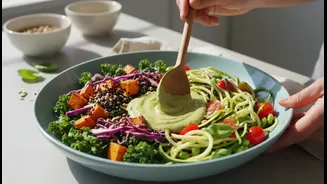
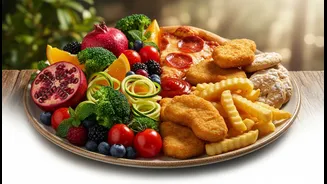
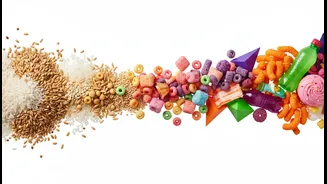
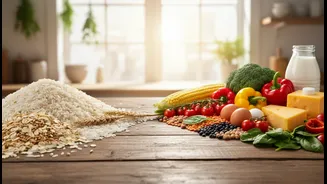
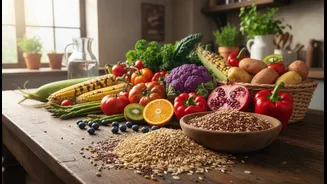
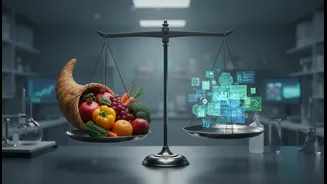
So, what are Indians spending on instead? The answer lies in diversification. Households are allocating a greater share of their food budget to higher-value and more nutritious items. The new stars of the Indian food basket are milk and milk products, eggs, fish, and meat, along with fruits and vegetables. Interestingly, the single category that has seen the most remarkable growth is 'beverages, refreshments and processed food'. This category now accounts for the highest share of food spending in both rural (9.62%) and urban (10.64%) India, even surpassing spending on milk products and vegetables individually. This signifies a two-pronged shift: a positive move towards more protein and a cautionary trend towards convenience and processed items.
What’s Driving This Great Indian Food Shift?
Several factors are stirring this change. The primary driver is rising prosperity. As household incomes have increased, people have more disposable cash to spend on better quality and more varied foods. This is coupled with increased urbanisation and greater awareness about health and nutrition. Better infrastructure and market access mean that a wider variety of foods, from fresh fruits to packaged goods, is now available across the country, reducing the seasonal fluctuations that once dictated diets. The result is a diet that is less reliant on staple grains and more reflective of choice, aspiration, and a growing middle class. The declining gap between rural and urban consumption patterns also suggests these trends are becoming more widespread.
A Tale of Two Trends
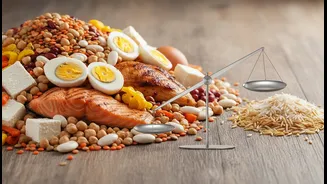
This dietary transition presents a classic 'double burden' scenario for the nation's health. On one hand, the increased intake of protein from sources like milk and eggs is a positive step towards tackling malnutrition. On the other hand, the surge in consumption of processed foods, high in fat, sugar, and salt, brings with it the risk of rising obesity, diabetes, and other lifestyle diseases. While protein intake has improved, studies show a concerning reliance on lower-quality protein from cereals, which still contribute nearly half of all protein consumed. This highlights a gap between consuming more protein and consuming better protein, like that from pulses, dairy, and eggs.
Implications for the Bigger Picture
The transformation of India's food basket has far-reaching consequences. For agriculture, it signals a need to shift focus from merely ensuring cereal self-sufficiency to supporting the production of pulses, dairy, and horticulture. For public health, it requires a nuanced approach that encourages protein consumption while educating citizens about the risks of ultra-processed foods. Economically, this shift is a massive opportunity for the food processing, dairy, and poultry industries. The changing plate is more than just a dietary footnote; it's a powerful indicator of India's economic development, social mobility, and the future health challenges and opportunities the nation will face.