



1. White Rice for Millets
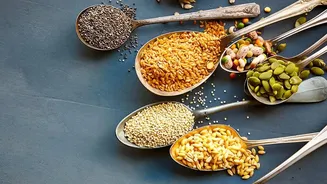
Once considered humble grains, millets like jowar, bajra, and ragi are making a major comeback, replacing polished white rice on many plates. This shift is fueled by the superior nutritional profile of millets; they are packed with more protein, fibre,
and essential minerals. With a lower glycemic index, they provide sustained energy without causing the sharp blood sugar spikes associated with white rice, making them a preferred choice for managing lifestyle diseases. Government initiatives and a renewed pride in traditional foods have also helped elevate millets from a 'poor man's grain' to a modern 'superfood'.
2. Refined Sugar for Jaggery and Stevia
The war on white sugar is on, and natural sweeteners are winning. Many households are switching to jaggery (gur) for their daily chai and sweets. Jaggery, an unrefined sugar made from sugarcane juice, retains minerals like iron and is believed to aid digestion. For those seeking a zero-calorie option, stevia, a plant-based sweetener, has become a popular choice. It provides sweetness without affecting blood sugar levels, making it ideal for diabetics and weight-conscious consumers.
3. Potato Chips for Roasted Makhana
The quintessential evening snack is getting a healthy makeover. Fried potato chips and namkeen are being replaced by roasted makhana (fox nuts). Traditionally consumed during fasts, makhana has become a mainstream sensation due to its impressive health credentials: it's low in calories, rich in protein and minerals like magnesium and potassium, and naturally gluten-free. Available in a variety of flavours, from simple salt and pepper to peri-peri, makhana delivers a satisfying crunch without the guilt.
4. Refined Oils for Cold-Pressed Oils
Indian cooking often involves high heat, and the choice of cooking oil is crucial. There's a growing movement away from highly processed, refined vegetable oils towards traditional, cold-pressed (or wood-pressed) options like mustard oil, coconut oil, and groundnut oil. These oils are less processed, retaining more nutrients and natural flavour. Experts suggest that these traditional fats are better suited to Indian cooking methods and offer numerous health benefits, from heart health to improved immunity, when used appropriately.
5. Wheat Atta for Multigrain and Millet Flours
The humble roti is evolving. While whole wheat atta remains a staple, a growing number of consumers are opting for multigrain atta or flours made from individual millets like ragi, jowar, and bajra. These flours offer a richer nutrient profile, including higher fibre content, which aids in digestion and provides longer-lasting satiety. This swap is part of a larger trend of rediscovering ancient grains and incorporating them into everyday meals for added health benefits.
6. Dairy Milk for Plant-Based Milks
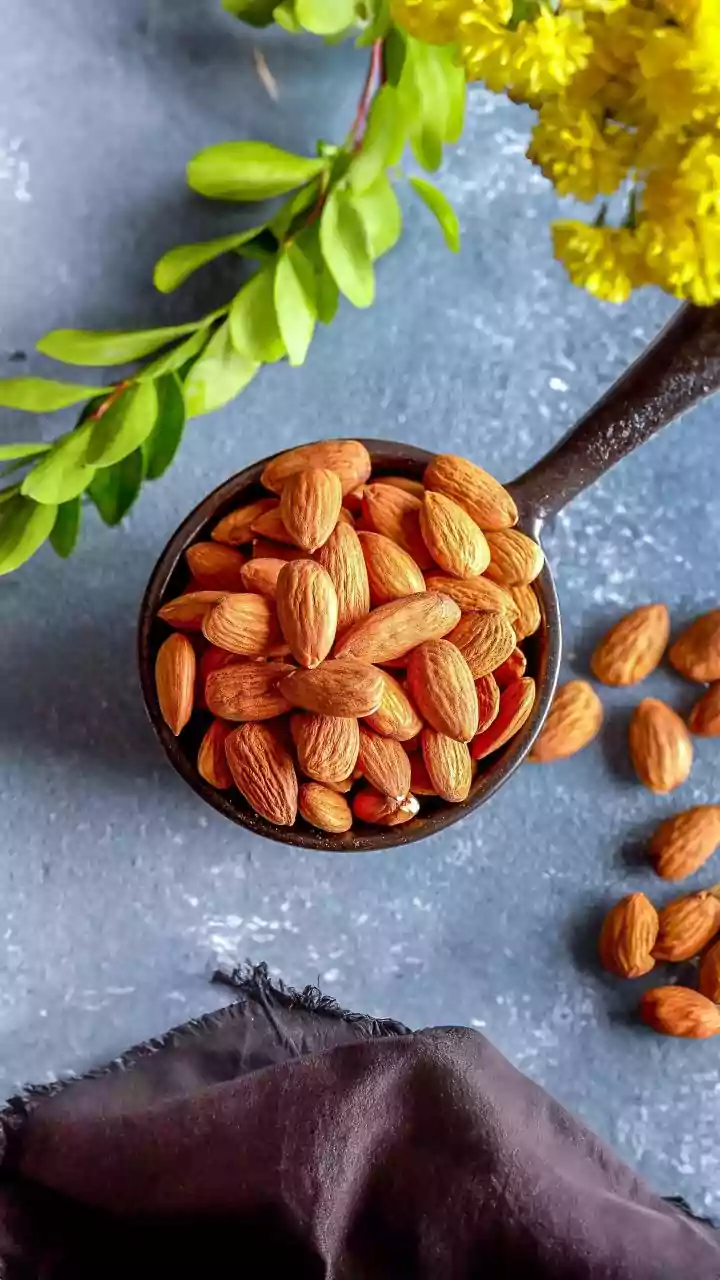
The beverage aisle looks different these days, with a variety of plant-based milks finding space next to traditional dairy. Almond, soy, and oat milks are becoming increasingly popular choices, not just for vegans but for those with lactose intolerance or health-conscious consumers. While a niche market, its growth is steady, particularly in urban areas and among younger demographics. Soy milk is noted for having the highest protein content among popular alternatives. Major coffee chains now offer plant-milk options, signaling a broader acceptance of this trend.
7. Sugary Breakfast Cereals for Oats
Breakfast is being reimagined to be less sugary and more wholesome. Colourful, sugar-laden breakfast cereals are being pushed aside in favour of versatile oats. No longer just a simple porridge, oats are now used to make everything from savoury upma and overnight oats to pancakes and idlis. Their high fibre content and ability to provide slow-release energy make them a preferred option for a healthy start to the day.
8. Chocolate Spreads for Nut Butters
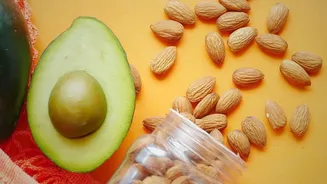
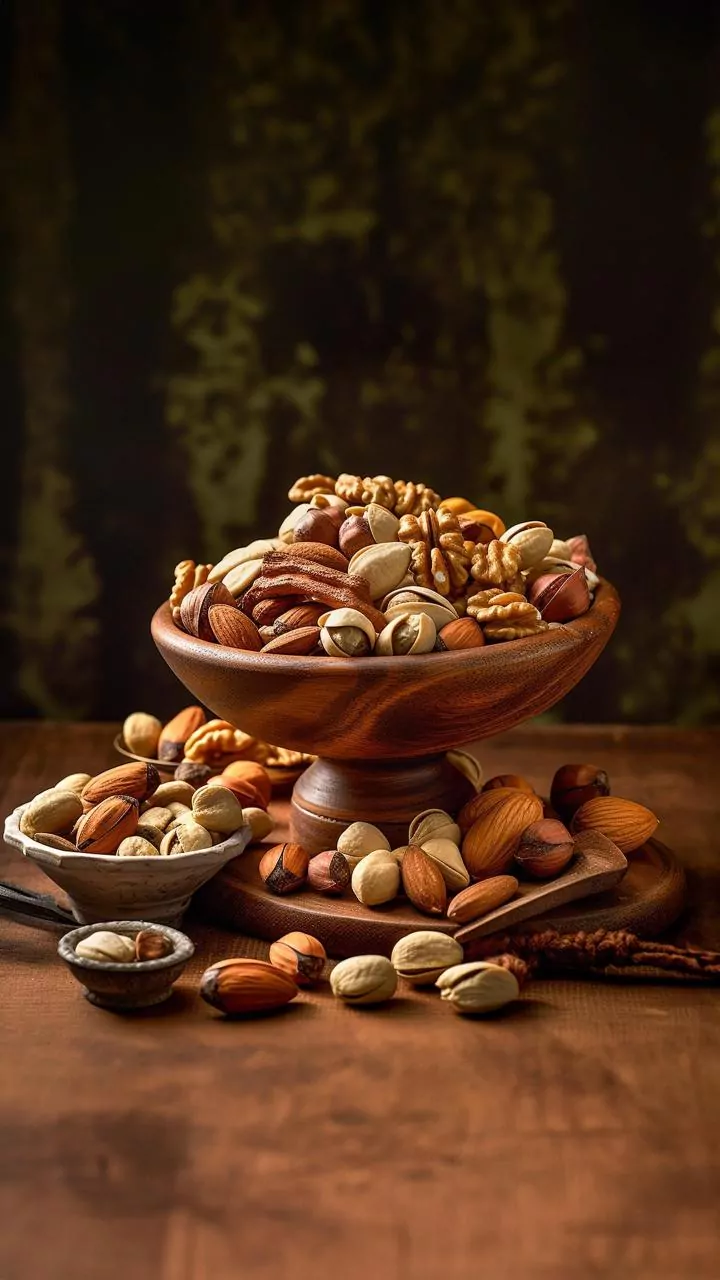
On the breakfast table and in snack boxes, high-sugar chocolate spreads are facing competition from healthier nut butters. Peanut butter, once mainly a fitness enthusiast's staple, is now common in many family kitchens, along with almond and cashew butters. These spreads offer a good dose of protein and healthy fats. The key is choosing brands with minimal added sugar and no hydrogenated oils to reap the full benefits.
9. Instant Noodles for Millet Noodles
The ultimate convenience food is getting a nutritional upgrade. As a healthier alternative to traditional instant noodles made from refined flour (maida), brands are now offering noodles made from millets, whole wheat, or quinoa. These options provide more fibre and nutrients, catering to parents looking for healthier quick meals for their children and adults seeking a guilt-free version of their favourite comfort food.
10. Meat for Plant-Based Meat Alternatives
While India has a large vegetarian population, a new trend of plant-based meat is emerging to cater to those looking to reduce their meat consumption for health, ethical, or environmental reasons. Startups are creating mock meats from plant sources like soy and peas, designed to replicate the taste and texture of conventional meat in dishes like biryanis, kebabs, and curries. This sector is still in its early stages but shows significant potential for growth as consumer awareness increases.