





The Rise of the 10-Minute Delivery
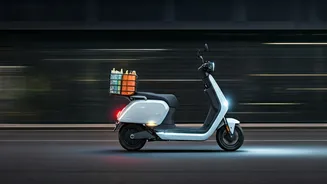
Welcome to the world of quick commerce, or q-commerce. This isn't your standard e-commerce with next-day delivery; this is about getting groceries, snacks, and other essentials to your doorstep in minutes. [4, 11] Platforms like Blinkit, Zepto, and Swiggy
Instamart have transformed urban Indian life by promising delivery times that are often shorter than a trip to the local market. [4, 14] This model, which gained significant traction during the pandemic, has now become a mainstream habit for millions. [19, 21] The quick commerce market in India is experiencing explosive growth, with a compound annual growth rate (CAGR) of 71.2% between 2020 and 2024, and is projected to reach nearly US$13 billion by 2029. [7]
What's Fuelling the App-First Habit?
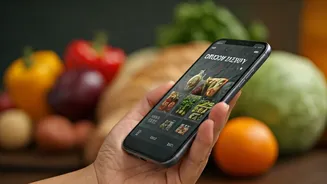
Several factors are driving this behavioural shift. The primary driver is unparalleled convenience, especially for busy urban households and a young, tech-savvy demographic. [5, 18] The widespread availability of smartphones and affordable internet has made these apps accessible to a massive audience. [14, 23] Pandemic-induced lockdowns accelerated the adoption of digital shopping for safety and necessity, and the habit has stuck. [19, 22] A 2024 survey showed that 85% of respondents preferred quick commerce for their food and grocery purchases. [17] Furthermore, aggressive pricing and deep discounts, often funded by venture capital, have made these platforms highly attractive compared to traditional stores. [12]
Beyond Groceries: A New Shopping Ecosystem
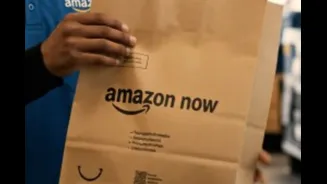
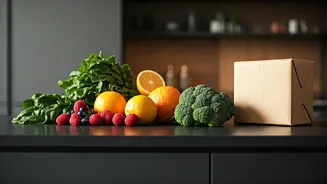
What started with emergency top-ups of milk and bread has now evolved into a comprehensive shopping solution. These platforms are rapidly expanding their product categories beyond daily staples. Consumers are now ordering everything from fresh fruits and vegetables to electronics, beauty products, wellness items, and even lifestyle goods. [3] This shift indicates that quick commerce is moving from being a niche service for urgent needs to a regular channel for planned purchases. [6] As a result, the average order values are increasing, and customer loyalty is deepening, with major players like Flipkart and Amazon now scaling their own quick commerce services, Flipkart Minutes and Amazon Now, to compete. [3, 8]
The Kirana Store Conundrum
The rapid ascent of quick commerce has profound implications for India’s more than 13 million traditional mom-and-pop Kirana stores. [2] These stores have historically been the backbone of Indian retail. [2] Many are now facing significant challenges, including reduced footfall and declining sales, especially in metro cities. [5, 6] Some reports indicate that intense competition has led to the closure of thousands of stores. [6, 9] However, the story isn't entirely one-sided. A hybrid model is emerging where Kirana stores can adopt digital tools or partner with hyperlocal delivery platforms to stay competitive. [11, 20] Despite the pressure, Kiranas still hold a majority of the grocery market share, particularly in smaller towns and rural areas where quick commerce has yet to penetrate deeply. [9, 12]
The Road Ahead for App-Based Shopping
The future of app-first essentials shopping looks set for continued expansion and evolution. Growth is expected to come from deeper penetration into Tier 2 and Tier 3 cities, where consumer adoption is already surging. [8, 13] We are likely to see further category expansion into higher-margin products. [13] However, the industry faces challenges, including the high operational costs of ultra-fast delivery and questions about the long-term sustainability of a business model reliant on discounts. [17] As the market matures, the focus may shift from pure speed to a more balanced approach that includes profitability, wider selection, and potentially, more sustainable and ethical practices. [7, 6]