





1. Ignoring Weather Forecasts
One of the biggest mistakes is treating heavy rain as a minor inconvenience rather than a major travel variable. Ignoring forecasts can lead to getting caught in downpours, facing transport cancellations, or even venturing into areas prone to flash floods
and landslides. Before and during your trip, regularly check reliable weather apps and local advisories. This allows you to plan your daily activities safely and have backup options ready, ensuring the weather doesn't derail your entire holiday.
2. Packing the Wrong Wardrobe
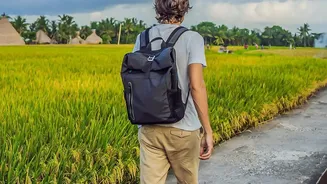
Showing up with your usual cotton t-shirts and a pair of jeans is a recipe for a damp, uncomfortable trip. These fabrics absorb moisture and take ages to dry in humid conditions, leaving you with musty-smelling luggage. Instead, opt for lightweight, synthetic, and quick-drying clothes. Also, swap your regular sneakers or slippers for waterproof sandals with a good grip to navigate slippery surfaces and waterlogged streets safely. A sturdy, wind-resistant raincoat is often more practical than an umbrella.
3. Not Protecting Your Gadgets
High humidity and sudden showers are the enemies of electronics. A non-functional phone or camera can quickly add stress to your trip. Don't assume your backpack is enough protection. Invest in waterproof bags, dry sacks, or even simple ziplock pouches for your phone, camera, power bank, and important documents like your ID and tickets. Keeping a few silica gel packets in your electronics bag can also help absorb ambient moisture and prevent condensation damage.
4. Overpacking Your Itinerary
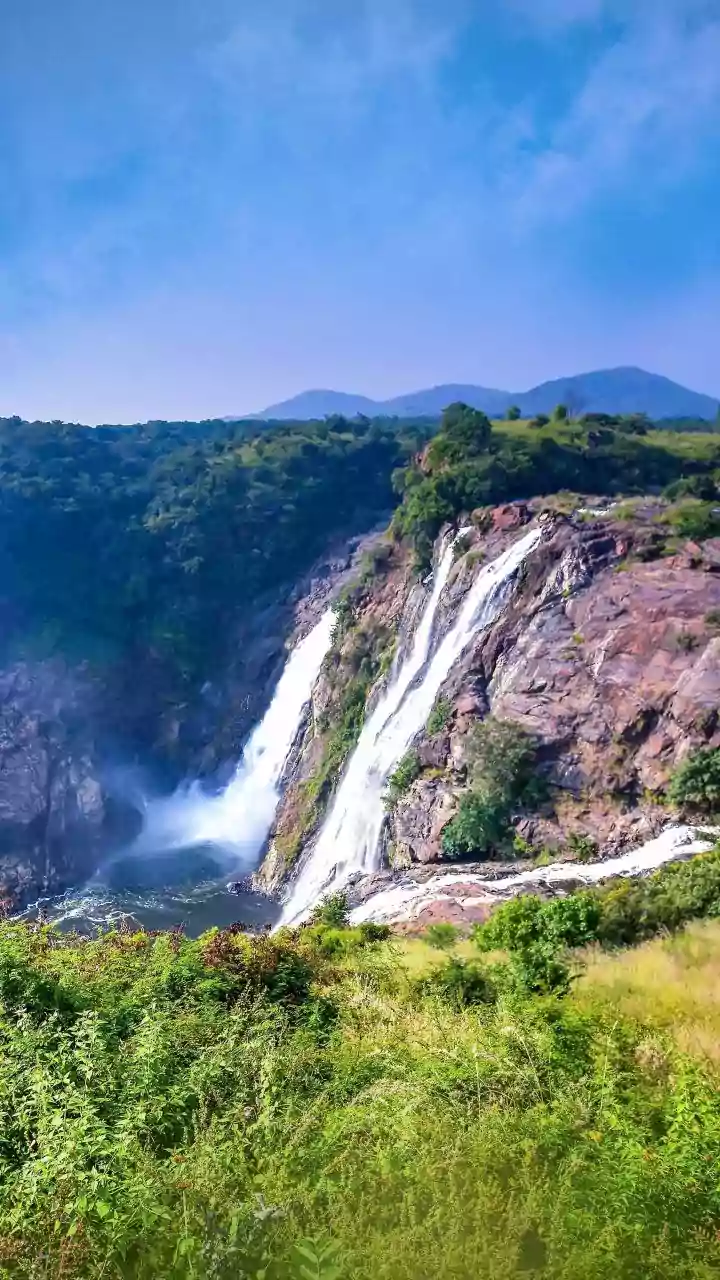
Monsoon travel requires a more relaxed pace. Tightly packing your schedule with back-to-back activities leaves no room for weather-related delays or spontaneous changes. A single heavy downpour can cause traffic jams or make a scenic viewpoint inaccessible. Build buffer days into your trip and keep your plans flexible. Prioritise one or two main activities per day and be open to swapping plans. This mindset shift from a rigid checklist to a flexible exploration will make your trip far more enjoyable.
5. Neglecting Health and Safety
The monsoon brings an increased risk of waterborne and mosquito-borne illnesses like dengue and malaria. A common error is consuming street food and water from unreliable sources. Stick to bottled or purified water and eat freshly cooked meals from clean establishments. Always carry a basic first-aid kit with essentials like band-aids, antiseptic, and prescribed medications. Using a mosquito repellent, especially during the evening, is a simple but crucial step to stay healthy.
6. Underestimating Road Dangers
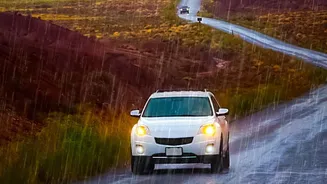
If you're planning a road trip, driving during the monsoon requires extra caution. Roads can be slippery, visibility can be poor, and you might encounter unexpected waterlogging or potholes. Avoid driving at night during heavy rain and always maintain a safe distance from the vehicle in front, as braking distances increase on wet surfaces. Before setting off, ensure your car's tyres, brakes, and wipers are in excellent condition. If you’re not confident, hiring an experienced local driver who knows the terrain is a safer bet.
7. Booking Inflexible Travel
Lured by off-season discounts, many travellers book non-refundable flights and hotels without considering the monsoon's unpredictability. If a sudden weather event leads to cancellations or you need to change your plans, you could lose your money. When booking, always read the cancellation policy carefully. Opt for flexible or fully refundable booking options, even if they cost slightly more. This provides peace of mind and the freedom to adapt your trip if conditions change, preventing financial stress from compounding travel stress.