





The High Cost of Waiting
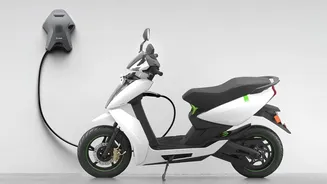
For a commercial two-wheeler fleet, every minute a vehicle is parked is a minute it's not earning revenue. Traditional electric vehicle charging, which can take several hours, is a major operational bottleneck. This lengthy downtime is especially challenging
for high-utilization sectors like quick commerce and last-mile delivery, where speed and constant vehicle availability are critical to profitability. The need to keep vehicles on the road for 18-20 hours a day makes a 4-6 hour charging cycle unworkable. This has been a significant barrier to the widespread adoption of electric two-wheelers in commercial applications, forcing operators to either invest in a larger, more expensive fleet to cover downtime or stick with internal combustion engines.
The Rise of Ultra-Fast Charging
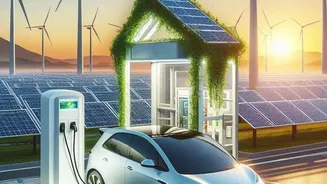
The game-changer for urban fleets is the arrival of ultra-fast charging technology, which drastically cuts down waiting times. Companies like Exponent Energy are promising a 0-100% charge in just 15 minutes, while others like Log9 Materials offer an 80% charge in about 12 minutes. This is achieved through a combination of advanced battery technology, often using more thermally stable Lithium Iron Phosphate (LFP) cells suited to India's climate, and sophisticated battery management systems (BMS). These systems carefully manage heat and electrical flow to allow for rapid energy input without degrading the battery's long-term health, a critical concern for fleet operators. High-voltage systems are also emerging, which increase efficiency and reduce heat, further enabling faster and more consistent charging performance.
Battery Swapping: The Instant Refuel
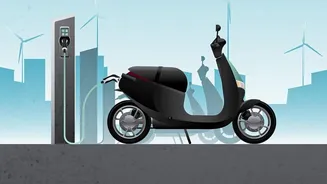
Parallel to rapid charging is the rise of battery swapping, an innovation that eliminates charging downtime altogether. Instead of plugging in, a driver simply pulls into a station and exchanges their depleted battery for a fully charged one in under five minutes. This model, championed by companies like SUN Mobility, Gogoro, and Battery Smart, treats the battery as a separate service (Battery-as-a-Service or BaaS). For fleet operators, this means vehicles are back on the road almost instantly, maximizing operational hours. Recent partnerships, such as the one between Indofast Energy and GLIDA, are focused on co-locating swapping stations at existing charging hubs, creating integrated energy destinations for all types of EVs.
Charging vs. Swapping: A Strategic Choice
The choice between rapid charging and battery swapping isn't a simple one; it's a strategic decision based on a fleet's specific needs. Rapid charging requires lower upfront infrastructure costs compared to building a network of swap stations with a large inventory of spare batteries. However, it still involves some vehicle downtime. Battery swapping offers near-zero downtime but requires standardization of battery packs and a denser network of stations to be effective. For quick commerce and high-mileage delivery fleets, the near-instant turnaround of swapping is incredibly appealing. For fleets with more predictable routes and scheduled downtime (like overnight depot parking), investing in on-site fast charging infrastructure may be more economical.
The Smart Ecosystem Holding It All Together
These hardware innovations are only half the story. They are enabled by a sophisticated software ecosystem. Advanced telematics and Battery Management Systems (BMS) provide real-time monitoring of battery health, state-of-charge, and temperature. For fleet managers, intelligent software platforms are crucial for optimizing charging schedules to avoid peak energy costs, managing vehicle availability, and predicting maintenance needs. This digital layer ensures that whether a fleet uses fast charging or swapping, the entire energy process is managed efficiently, preventing grid strain and minimizing operational costs. This holistic approach, combining advanced batteries, fast chargers, and smart software, is what truly unlocks the potential of electric fleets.