







What Makes a Kitchen 'Smart'?
Forget a fancy, Wi-Fi-enabled refrigerator. In the restaurant world, a 'smart kitchen' is a fully integrated system where appliances, sensors, and software communicate with each other. It’s an ecosystem built on the Internet of Things (IoT), artificial
intelligence (AI), and data analytics. Think of it as the kitchen's central nervous system. Sensors on fryers can alert managers when oil needs changing, and smart ovens can be programmed to cook dishes with perfect consistency every time, reducing guesswork. This network of connected devices provides a real-time, comprehensive view of the entire kitchen operation, moving it from being reactive to proactive.
The AI Chef and Robotic Sous Chef
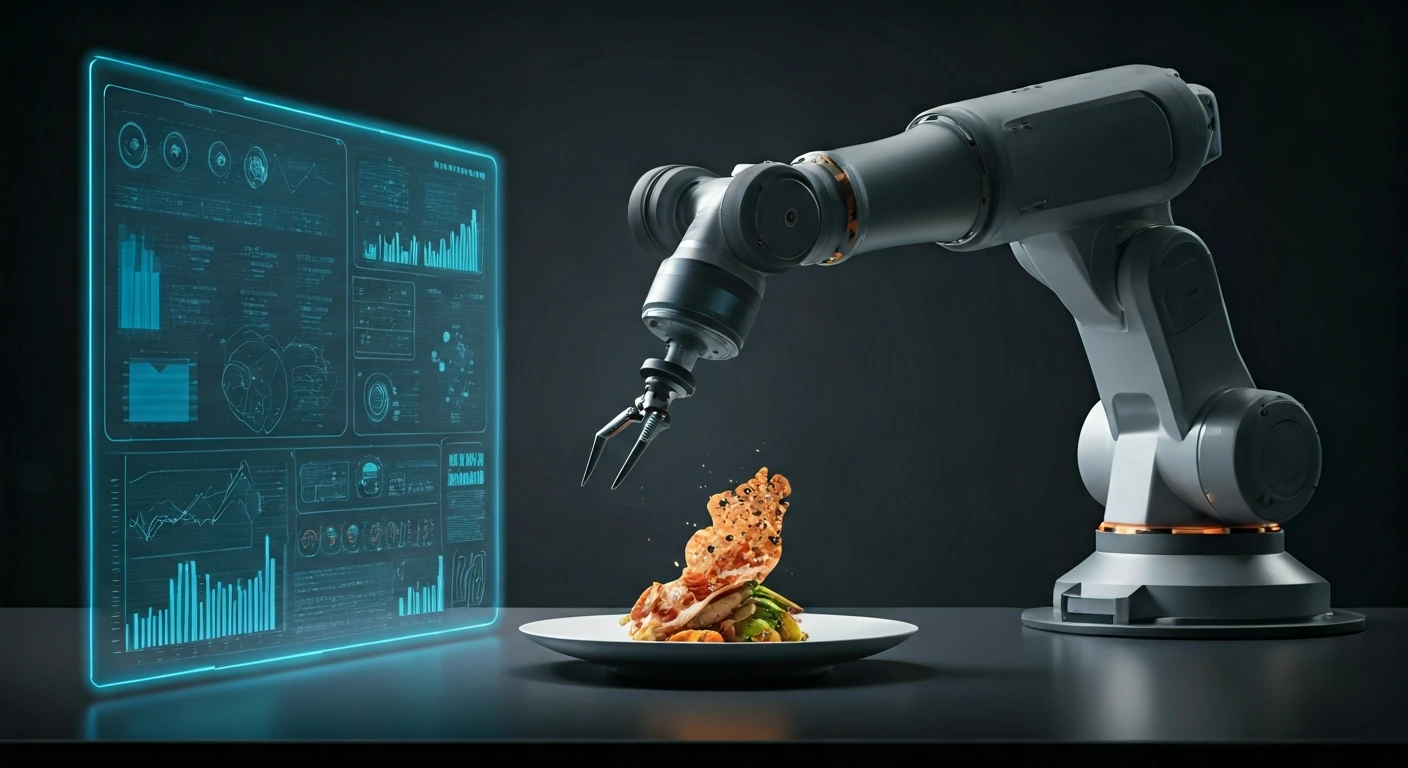
While human chefs remain the creative heart of the kitchen, AI and robotics are becoming indispensable assistants. AI-driven platforms can analyze sales data, weather patterns, and even local events to predict what customers will order, helping restaurants optimize inventory and reduce food waste by up to 35%. This predictive power ensures the right ingredients are always on hand without overstocking perishables. In parallel, robots are handling repetitive tasks like chopping vegetables, flipping burgers, or making perfect chapatis every time. This frees up skilled chefs from mundane work, allowing them to focus on innovation, quality control, and creating a better dining experience.
Data: The Most Important Ingredient
The true power of the smart kitchen lies in the data it generates. Every order placed, every ingredient used, and every appliance's energy consumption is tracked and analyzed. This torrent of information allows restaurant operators to make smarter decisions. They can identify which menu items are most profitable versus which are draining resources. They can track energy usage to cut utility bills and pinpoint equipment that needs maintenance before it breaks down, preventing costly downtime. In an industry with famously thin margins, these data-driven insights are becoming critical for survival and growth, providing a competitive advantage.
The Indian Context: Adoption and Hurdles
In India, the smart kitchen trend is gaining momentum, particularly in the booming cloud kitchen sector. Brands are leveraging technology to manage multiple virtual restaurants from a single location, maximizing efficiency. AI is being used to predict demand spikes during festivals or cricket matches, and automation is ensuring consistency in dishes from biryani to pizza. However, widespread adoption faces challenges. The high initial cost of smart appliances and integrated systems can be a significant barrier for smaller, standalone restaurants. Furthermore, issues like reliable internet connectivity and ensuring different branded devices can work together seamlessly need to be addressed for the technology to become truly universal.