



The Rise of the Digital Watchdog
As generative AI tools like Midjourney and DALL-E have become astonishingly good at creating images from text prompts, the line between real and synthetic has blurred. This has created a fertile ground for everything from harmless creative fun to serious
misinformation and fraud. In response, a new industry of AI image detectors has emerged, developed by companies like Google, Microsoft, and Hive AI. These tools act as digital watchdogs, trained on millions of real and AI-generated images to spot the subtle clues that an image was made by a machine. They analyze pixel patterns, frequency distributions, and other invisible 'fingerprints' left behind by the generation process to determine an image's authenticity. The goal is to provide a quick, automated way to verify content and uphold trust in what we see online.
When the Watchdog Gets It Wrong
The problem is that these watchdogs are not infallible. A 'false positive' occurs when a detector incorrectly flags a human-made image as AI-generated. This happens far more often than many realize. Tests on leading detectors show false positive rates ranging from 6% to over 10%, and accuracy plummets when dealing with heavily edited or compressed images. Even minor, common edits like adjusting exposure, color grading, or removing an object can trick a detector into seeing signs of AI. A professional photographer's heavily edited but authentic landscape photo might be flagged because the post-processing mimics AI pixel patterns. These errors happen because the detectors are making a probabilistic guess based on statistical patterns, not confirming an image's origin.
The Human Cost of Algorithmic Errors
For individuals, a false positive isn't just a technical error; it can have serious real-world consequences. Artists and photographers have had their original work disqualified from competitions or removed from platforms based on a faulty AI score. In academic settings, students have been wrongly accused of misconduct when their own work was flagged as machine-generated, creating an atmosphere of distrust. The accusation of inauthenticity is easy to make when backed by an algorithmic 'score,' but it's incredibly difficult for a creator to prove their work is their own. This asymmetry damages reputations and undermines the very trust these tools were built to protect.
A Constant Game of Cat and Mouse
Detecting AI images is fundamentally an arms race. Every time detection models improve, the generative tools they are designed to catch also get better, creating images that are even harder to distinguish from reality. Researchers have found that even simple tricks, like minor edits or re-compressing a file, can cause a detector's performance to drop significantly. A recent Reuters analysis found that Meta's own detection tool failed to identify 55% of its AI-generated images after they were cropped. This cat-and-mouse dynamic means that no single detector can be considered a definitive source of truth. Experts now recommend using multiple tools in combination with human judgment rather than relying on a single, often misleading, score.
Building a More Trustworthy Future
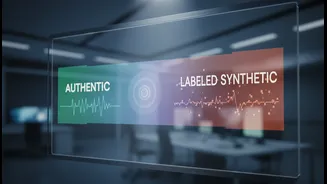
Given the limitations of detection-based tools, the industry is shifting toward more robust solutions focused on provenance. Technologies like Content Credentials (C2PA) work like a digital birth certificate for an image, embedding secure metadata that tracks its origin and any edits made. This approach doesn't guess if an image looks fake; it verifies where it came from. While detectors remain a useful part of the verification toolkit, they cannot be the sole arbiters of truth. Their scores provide a signal, not a verdict. As generative AI becomes more integrated into our lives, the focus must move beyond simple detection to a more holistic approach that combines technological provenance with critical human oversight.