


Embrace the Art of Layering
The fundamental rule for multi-climate travel is layering. Instead of packing bulky, single-purpose items like a heavy winter coat, think in terms of a three-part system that you can adapt on the fly. Start with a base layer—a thin, moisture-wicking top
that sits close to the skin to manage sweat and regulate temperature. Next, add a mid-layer for insulation, such as a fleece jacket, a lightweight down vest, or a merino wool sweater. Finally, top it with a waterproof and windproof outer shell. This system allows you to add or remove layers as conditions change, keeping you comfortable whether you’re strolling on a warm pier or facing a cold mountain gust. Each piece is relatively thin, saving significant space in your luggage.
Choose Your Fabrics Wisely
The materials your clothes are made from can make or break your packing strategy. Prioritize fabrics known for their performance and versatility. Merino wool is a travel superstar; it's lightweight, breathes well, insulates even when damp, and naturally resists odors, meaning you can wear it multiple times without washing. Synthetic fabrics like polyester and nylon are also excellent choices as they are durable and quick-drying. For your insulating layer, a packable down or synthetic-fill jacket offers incredible warmth for its weight and can be compressed into a small pouch. One fabric to generally avoid for active or cold-weather layers is cotton, as it absorbs moisture and takes a long time to dry, which can leave you feeling cold and damp.
Build a Versatile Capsule Wardrobe
Every item in your suitcase should earn its spot by serving multiple purposes. Start by building your wardrobe around a single neutral color palette, like black, grey, or navy, which allows you to mix and match everything easily. Instead of packing separate pants for hiking and dinner, choose a pair of comfortable, stylish travel pants that can work for both. A large scarf or pashmina can function as a wrap on a cool evening, a beach cover-up, or even a blanket on the plane. Convertible pants with zip-off legs are a practical, space-saving option for transitioning from cool mornings to hot afternoons. For footwear, limit yourself to two pairs: a comfortable pair of waterproof trail runners that can handle city walking and light hiking, and a pair of sandals or flats for warmer weather.
Don't Underestimate Smart Accessories
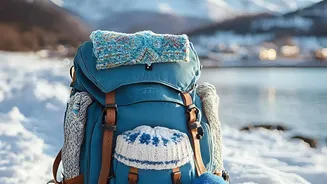
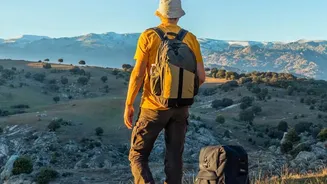
Small accessories can have a huge impact on your comfort without taking up much space. A warm beanie or hat, a pair of gloves, and wool socks are essential for the cold and pack down to almost nothing. Tights or thermal leggings can be worn under pants or a skirt for an extra layer of warmth when you reach the mountains. A bandana or versatile neck gaiter can protect you from the sun, provide warmth, or even serve as a makeshift face mask. Finally, a packable daypack is invaluable. It can be stowed in your main luggage during transit and then used for daily excursions, carrying your water bottle, snacks, and any layers you shed as the day warms up.
Putting It All Together
Before you zip up your bag, lay everything out and critically assess each item. A good rule of thumb is the 1-2-3-4-5-6 guideline: one hat, two pairs of shoes, three bottoms, four tops, five pairs of socks, and six pairs of underwear for a week-long trip. Plan to do laundry on the road, which allows you to pack significantly less. Always wear your bulkiest items, like your hiking shoes and your main jacket, on the plane to save precious luggage space. This strategic approach not only lightens your load but also simplifies your decisions on the road, leaving you more time and energy to enjoy the diverse experiences your journey has to offer.