




A Landmark Tourism Initiative
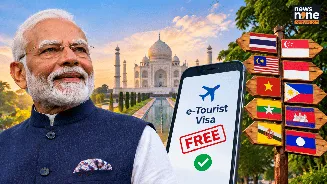
At the 23rd India-ASEAN Summit in Manila on November 17, 2026, Indian Prime Minister Narendra Modi unveiled a proposal to waive e-tourist visa fees for travellers from the 11 member countries of the Association of Southeast Asian Nations (ASEAN). This
includes Brunei, Cambodia, Indonesia, Laos, Malaysia, Myanmar, the Philippines, Singapore, Thailand, Timor-Leste, and Vietnam. This initiative is a cornerstone of a broader strategy to deepen people-to-people connections and make India a more accessible travel destination. It is important to note this is a waiver of the visa fee, not a visa-free entry scheme. Travellers will still need to apply for the e-visa online through the official portal, but the associated cost would be eliminated. While the proposal marks a significant policy shift, the government has not yet announced a specific date for its implementation.
Harmonizing an Existing Policy
The proposal aims to harmonize and expand on India's existing visa policies for the region. Currently, the e-tourist visa fee structure for ASEAN nations is varied. Citizens of Indonesia and Myanmar already benefit from free e-visas for 30-day, one-year, and five-year validities. Similarly, travellers from Malaysia, the Philippines, and Thailand receive a free 30-day e-visa, but are charged for longer durations. However, citizens of Brunei, Cambodia, Laos, Singapore, Timor-Leste, and Vietnam currently pay fees for all e-tourist visa categories, typically ranging from $10 to $25 for a 30-day visa. The new proposal, if implemented, would extend the fee waiver to all 11 nations, creating a uniform and more inviting policy across the entire bloc. The key question that remains is whether the fee waiver will apply only to short-term visas or be extended to the one-year and five-year options for all member states.
Bolstering the 'Act East' Policy
This visa initiative is a clear component of India’s 'Act East' Policy, a diplomatic effort to cultivate deeper economic and strategic relationships with Southeast Asian nations. The policy, which evolved from the 'Look East' policy of the 1990s, has expanded beyond economic engagement to include defence, technology, and cultural ties. At the summit, Prime Minister Modi reaffirmed that ASEAN unity and centrality are at the heart of this policy. The free e-visa proposal was announced alongside other key initiatives aimed at strengthening cooperation, including a long-term maritime plan, collaboration on critical minerals, and a joint space hackathon. By reducing barriers to travel, India aims to foster greater goodwill and cultural exchange, reinforcing its commitment to the region as a strategic partner.
The Economic and Diplomatic Impact
The potential economic benefits of this move are substantial. ASEAN is a significant source market for Indian tourism. In 2025, India received over 800,000 visitors from the bloc. Making travel more affordable is expected to significantly boost these numbers, providing a much-needed stimulus to India's hospitality, travel, and retail sectors. The initiative is also a key part of the broader ASEAN-India tourism cooperation. The year 2026 has been designated as the 'ASEAN-India Year of Maritime Cooperation', following the 'Year of Tourism' in 2025, highlighting a sustained focus on building connectivity. Diplomatically, the unilateral offer of free visas strengthens India’s position as a collaborative and friendly power in the Indo-Pacific, creating a stark contrast to regional competition.
The Road to Implementation
While the announcement has been met with enthusiasm, all eyes are now on the Indian government for the next steps. An implementation date and detailed eligibility conditions are yet to be announced. Until official guidelines are published, the existing visa application processes and fees will remain in effect for travellers from ASEAN countries. The successful rollout of this policy will be a crucial test of the commitments made at the summit and a tangible measure of the deepening ASEAN-India partnership. The year 2027 will mark the 35th anniversary of dialogue relations, making the timely implementation of this proposal a significant milestone.