



1. Shop Smaller, and More Often
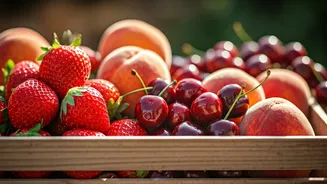
The single biggest shift you can make is in your shopping frequency. In drier, cooler months, a big weekly grocery haul is efficient. But during the soggiest weeks of summer, that beautiful bounty of greens and berries can turn into a science experiment
before you have a chance to eat it. Instead of one massive trip, try two smaller ones. This strategy ensures the produce you have on hand is always at its peak freshness. You'll buy only what you need for the next 3-4 days, drastically cutting the odds of finding a forgotten, fuzzy zucchini in the back of your fridge. It might feel like more effort, but it saves money and eliminates the guilt of throwing away spoiled food.
2. Know Your Enemies: Ethylene and Humidity
To win the war on waste, you need to know your opponents. The first is ethylene, a natural gas that some fruits and vegetables emit, which acts as a ripening hormone. Apples, bananas, avocados, and tomatoes are major ethylene producers. Keep them separate from ethylene-sensitive produce like leafy greens, broccoli, carrots, and cucumbers, or you'll accelerate spoilage. The second enemy is excess moisture. Humidity in the air is one thing, but dampness on the produce itself is a direct invitation for mold and bacteria. Never wash your produce and then store it. Pat everything thoroughly dry before it goes into the fridge, especially leafy greens and herbs.
3. Master the Crisper Drawer
That humble drawer at the bottom of your refrigerator is your most powerful tool—if you use it correctly. Most crisper drawers have an adjustable vent. The rule is simple: close the vent to create a high-humidity environment, which is ideal for produce that wilts, like leafy greens, broccoli, and carrots. Open the vent to create a low-humidity environment, perfect for produce that rots, such as fruits like apples, pears, and avocados. By separating your produce into the correct drawers, you're creating microclimates tailored to their needs. Don't just toss everything in together; segregate for success.
4. Embrace Hardy and Long-Lasting Produce
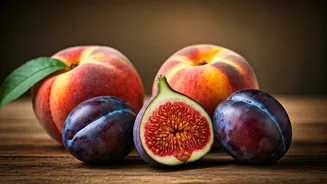
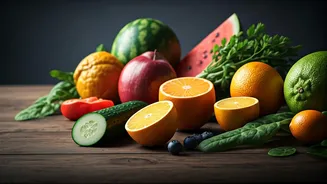
While delicate lettuces and berries are wonderful, they are the first to perish in the heat. During peak humidity, lean into more resilient options. Root vegetables like carrots, beets, and sweet potatoes are practically bomb-proof. Cabbage is a fantastic, long-lasting alternative to lettuce for slaws and salads. Hearty greens like kale and collards will outlast tender spinach every time. For fruit, think melons (which can be cut and stored in the fridge), citrus, and stone fruits that you can buy firm and allow to ripen on the counter for a day or two before eating.
5. Give Your Produce Room to Breathe
Overcrowding is a recipe for disaster. When produce is jammed together, air can't circulate, trapping moisture and ethylene gas, which speeds up decay. Unpack your produce as soon as you get home. Take items out of the tight plastic bags from the grocery store; these are moisture traps. If you use bags for storage, choose perforated ones or leave them open. For items like potatoes and onions, store them in a cool, dark, and dry pantry—and keep them separate, as onions can cause potatoes to sprout. A little bit of breathing room can extend the life of your produce by days.
6. Have a 'Use It Now' Plan
Even with the best intentions, you’ll sometimes find produce that's on the brink. The key is to act, not discard. Have a 'use it now' strategy. Wilted (but not slimy) greens and herbs can be revived in an ice water bath or thrown into a pesto, soup, or smoothie. Soft tomatoes are perfect for a quick pasta sauce. Berries that are a little too squishy can be simmered into a compote for yogurt or ice cream. Overripe bananas are, of course, destined for banana bread. By thinking of 'imperfect' as 'ready for a different preparation,' you can salvage food that might otherwise end up in the compost.