







The Science of a Concrete Oven
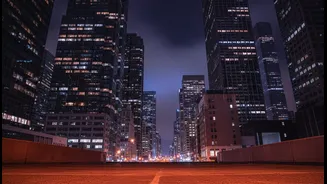
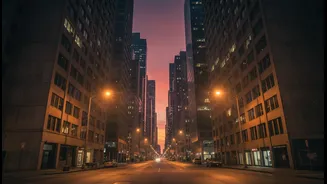
The phenomenon is known as the Urban Heat Island (UHI) effect. Cities replace natural, moisture-rich surfaces like soil and vegetation with dense, dry materials like concrete, asphalt, and brick. During the day, these materials absorb and store a massive
amount of solar radiation. After sunset, when rural areas cool down by releasing this heat into the atmosphere, urban centres do the opposite. The tightly packed buildings and paved surfaces begin to slowly radiate the stored heat back into the surroundings, preventing the city from cooling down. This process means that long after dark, our urban environments are essentially behaving like enormous ovens, slowly releasing the heat they baked in all day.
What Recent Indian Studies Reveal
Several recent analyses paint a stark picture for urban India. A landmark study by the Centre for Science and Environment (CSE) covering six megacities—Delhi, Mumbai, Kolkata, Chennai, Bengaluru, and Hyderabad—found that cities are no longer cooling down adequately at night. The research highlights a direct correlation: as the percentage of built-up area increases, so does the intensity of the urban heat island effect, particularly after dark. For instance, in Bengaluru, the city's core is 2.5°C warmer at night than its periphery, a direct consequence of its built-up area more than doubling in two decades. Another multi-city study noted that nighttime temperatures in some urban areas can be 3°C to 5°C warmer than nearby rural zones. A May 2026 study in Chennai homes found that indoor temperatures rarely dropped below 31°C, peaking between 8 and 9 PM as concrete walls and roofs released the day's accumulated heat.
Why Hot Nights Are a Health Hazard
The lack of nighttime cooling is more than just a matter of discomfort; it is a serious public health concern. Cool nights are critical for our bodies to recover from daytime heat stress, a process scientists call nocturnal recovery. When indoor temperatures remain above 26-28°C, sleep quality is significantly impaired. Persistent exposure to such conditions, as documented in the Chennai study where temperatures stayed above 31°C, contributes to chronic fatigue, physiological stress, and a higher risk of cardiovascular diseases, diabetes, and hypertension. Research has shown a strong link between elevated nighttime temperatures and increased mortality during heatwaves. A recent global analysis by Climate Central found that residents in major Indian cities are losing a significant amount of sleep annually due to warm nights, with Chennai (93 hours), Mumbai (84 hours), and Kolkata (80 hours) being the most affected.
The Unintended Consequences of Modern Design
The problem is deeply embedded in our approach to urban development. Reinforced Cement Concrete (RCC) has become the default material for roofs and walls in much of modern Indian housing. While cost-effective, these materials have high thermal mass, making them incredibly efficient at absorbing and storing heat. This is compounded by architectural trends that favour dense construction and glass facades, which trap heat and reduce airflow. The result is that even air conditioning offers only temporary relief; the moment it's switched off, the heat retained in the building's structure makes itself felt again. This creates a vicious cycle of rising temperatures leading to higher AC usage, which in turn releases more waste heat into the urban environment, further exacerbating the UHI effect.
Building Cooler, More Liveable Cities
Experts agree that mitigating this crisis requires a fundamental shift in urban planning. The solutions are well-known and focus on reintroducing natural cooling mechanisms into our cities. This includes significantly expanding green cover through parks, roadside trees, and rooftop gardens. Protecting and reviving urban water bodies like lakes and ponds can also create a cooler microclimate. On the construction front, promoting the use of 'cool roofs' with reflective white paint and adopting alternative building materials like hollow bricks or aerated concrete blocks, which store less heat, can make a substantial difference. Ultimately, moving away from a purely concrete-driven development model towards one that integrates nature and climate-appropriate design is essential for the long-term health and well-being of India's urban population.