







An Official Rain Holiday
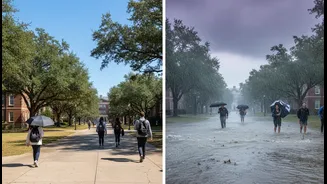
The first week of July 2026 has seen relentless downpours across Mumbai, prompting civic authorities to prioritize student safety. The Brihanmumbai Municipal Corporation (BMC) declared a holiday for all schools and colleges on July 6th and extended it through
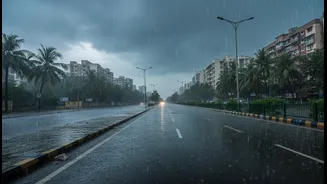
July 7th. The decision was made in response to an 'Orange Alert' from the India Meteorological Department (IMD), which warned of heavy to very heavy rainfall and gusty winds. This precautionary measure, affecting all government, private, and municipal institutions, aimed to prevent students from travelling in unsafe conditions marked by waterlogging and transport disruptions. The closure was not limited to Mumbai alone, with similar directives issued for educational institutions in the neighbouring districts of Thane, Navi Mumbai, Palghar, and Raigad.
Commutes Replaced by Uncertainty
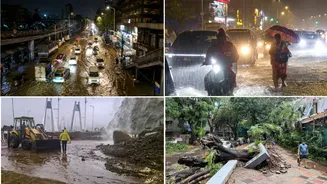
For many students, the daily commute is the first and most significant casualty of the heavy rains. What is usually a predictable journey to a school or college campus transforms into a challenging ordeal. Widespread waterlogging in low-lying areas, combined with disruptions to local train and bus services, makes travel unreliable and often hazardous. Authorities have repeatedly advised residents to stay indoors and avoid unnecessary travel, a directive that directly impacts a student's ability to attend physical classes. With reports of fallen trees and traffic snarls becoming common, the decision to close schools is often a direct response to the near-paralysis of the city's transport network, ensuring students aren't left stranded.
Exams and Deadlines Postponed
The academic calendar is another major victim of the monsoon's fury. The University of Mumbai was forced to postpone all undergraduate and postgraduate examinations scheduled for July 6, citing student safety amidst the severe weather. The university assured students that the exams were deferred, not cancelled, and that a revised timetable would be announced soon. This sudden halt to the examination schedule creates a ripple effect, forcing students to quickly adapt their study plans and deal with the uncertainty of new dates. The disruption highlights a significant challenge for educational institutions: how to maintain academic continuity when the city's infrastructure is under severe strain.
The Shift to Digital Stopgaps
While official announcements have focused on closures, the unspoken routine for many has become a shift to impromptu online learning. For institutions equipped with the necessary infrastructure, the 'rain holiday' often means logging into virtual classrooms. This pivot, however, is not seamless for everyone. It exposes the digital divide, where students with inconsistent internet access or lacking the right devices face additional stress. While the city's civic bodies focus on physical safety, the academic pressure continues, forcing students to rely on digital means to keep up with their coursework and prepare for exams that have been indefinitely postponed.
A Return to Normalcy?
As of July 8th, the IMD has downgraded the weather alert for Mumbai from 'Orange' to 'Yellow', signaling an improvement in the conditions. In the absence of a new directive from the BMC, schools and colleges are expected to reopen. However, the experience of the past few days serves as a potent reminder of the monsoon's power to dictate the rhythm of life in the city. Students and parents have been advised to stay in touch with their respective institutions for any local updates, as the situation remains under close watch. The cycle of disruption and adaptation has become a learned skill for Mumbai's student population.