



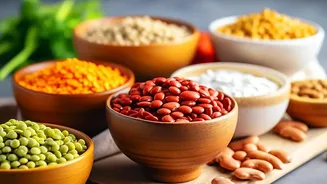


1. Plant-Based Proteins Go Mainstream
No longer a niche choice, plant-based foods are becoming a staple. Driven by health, ethical, and environmental concerns, consumers are embracing dairy alternatives and plant-based meats. The market for soy, almond, and oat milk is booming, moving from
urban cafes to home kitchens. This is not about replacing tradition, but expanding it with new, protein-rich options that align with modern wellness goals.
2. The Return of Millets
Once considered old-fashioned, millets like jowar, bajra, and ragi are making a major comeback. Valued for their high fibre, protein, and low glycemic index, these ancient grains are appearing in everything from breakfast cereals and dosa mixes to cookies and bread. This revival is a conscious choice for better nutrition and sustainability, moving beyond just wheat and rice.
3. The Demand for 'Clean Labels'
Shoppers are reading the fine print like never before. The 'clean label' movement is pushing brands to use simple, recognizable ingredients and avoid artificial additives, preservatives, and colours. This trend is driven by rising health awareness and a growing mistrust of highly processed foods, forcing manufacturers to prioritize transparency.
4. Functional Foods for Everyday Wellness
Consumers now expect their food to do more than just fill them up. Functional foods that offer specific health benefits—like supporting gut health, boosting immunity, or improving energy—are in high demand. Products featuring probiotics, turmeric, ashwagandha, and added protein are becoming everyday purchases as people focus on preventative health.
5. Healthy Snacking Takes Over
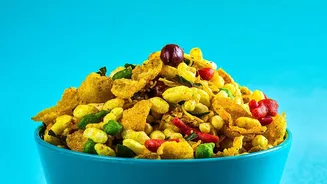
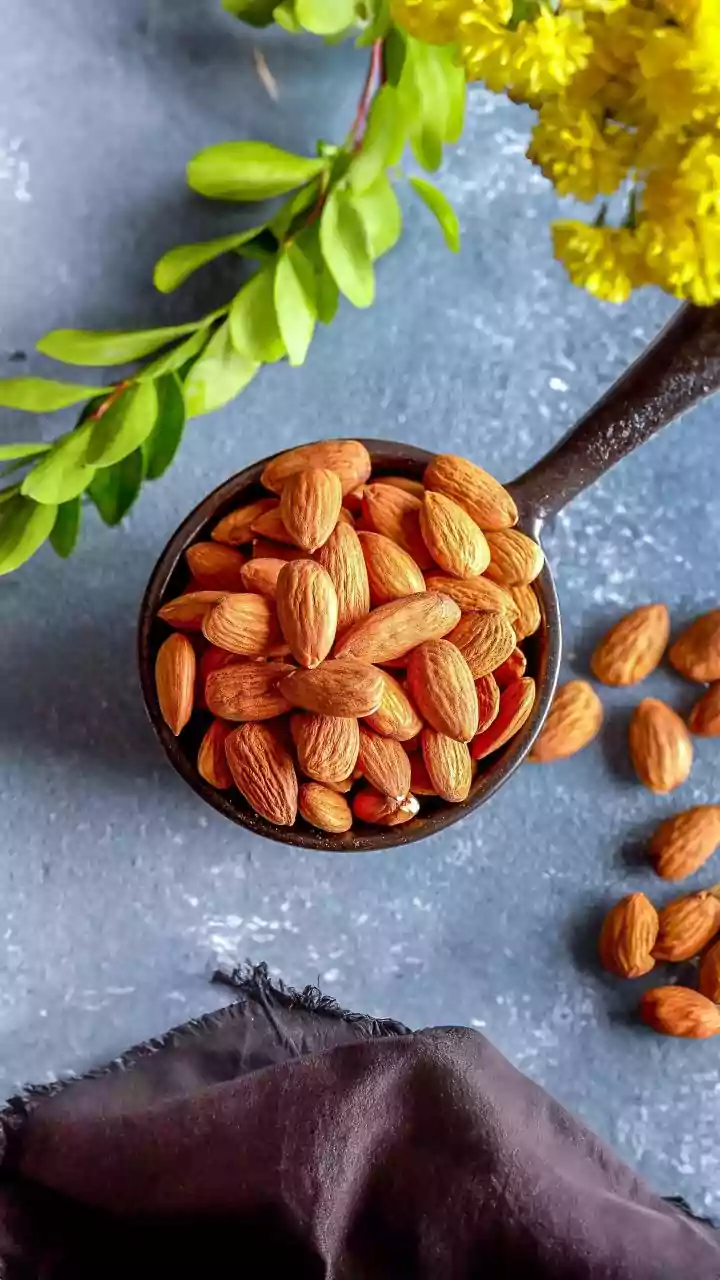
The traditional divide between meals and snacks is blurring, with a new emphasis on nutritious options. Fried namkeens and sugary biscuits are being replaced by roasted makhana, nuts, seeds, and protein bars. Consumers want snacks that are convenient but also align with their health goals, prioritizing protein and fibre.
6. Upgraded Convenience with Healthy RTE
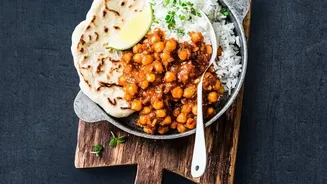
The ready-to-eat (RTE) market is shedding its unhealthy image. While convenience is still key for busy urban households, the demand is now for healthy, preservative-free, and organic options. The market is seeing rapid growth, with brands offering nutritious versions of biryanis, curries, and parathas that cater to health-conscious consumers.
7. Sustainable and Ethical Choices
A growing number of consumers are making food choices based on environmental impact and ethical sourcing. This includes a preference for locally sourced produce to reduce carbon footprints and support local farmers. Brands that communicate their commitment to sustainability are gaining a competitive edge, especially among younger, more conscious buyers.
8. The Rise of Gourmet-at-Home
The dining experience is increasingly moving into the home. Consumers are buying premium, artisanal, and gourmet products to recreate restaurant-quality meals themselves. This trend includes everything from artisanal cheeses and sourdough breads to exotic ingredients and gourmet dessert kits, driven by a desire for premium experiences.
9. Hyper-Regional Cuisine Gets Its Moment
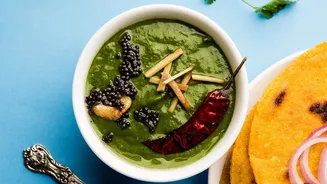
Indians are exploring the immense diversity of their own country's food. There is a growing interest in hyperlocal dishes and ingredients that were previously confined toSpecific regions. This exploration is driven by a desire for authenticity and new taste experiences, leading restaurants and food brands to highlight lesser-known culinary traditions.
10. Tech-Enabled Food Discovery
How people discover and decide on food has fundamentally changed. Social media platforms like Instagram are now the primary drivers of food trends, with visual appeal becoming as important as taste. At the same time, quick commerce apps delivering groceries in minutes are reshaping impulse purchases and how brands compete for attention.