



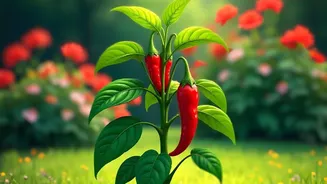
Why Grow Thai Chillies?
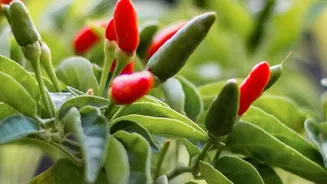
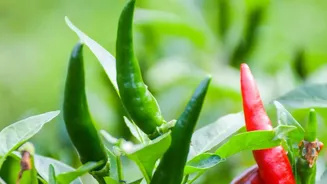
Thai chillies, also known as bird's eye chillies, are a fantastic choice for container gardening. The plants are relatively compact, yet they are incredibly productive, with a single plant capable of producing a hundred or more chillies. They add a zesty,
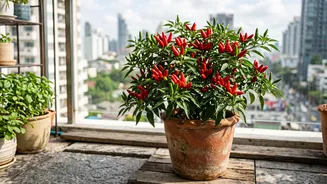
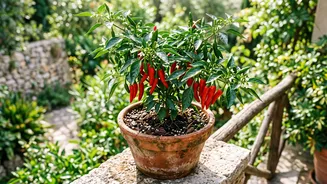
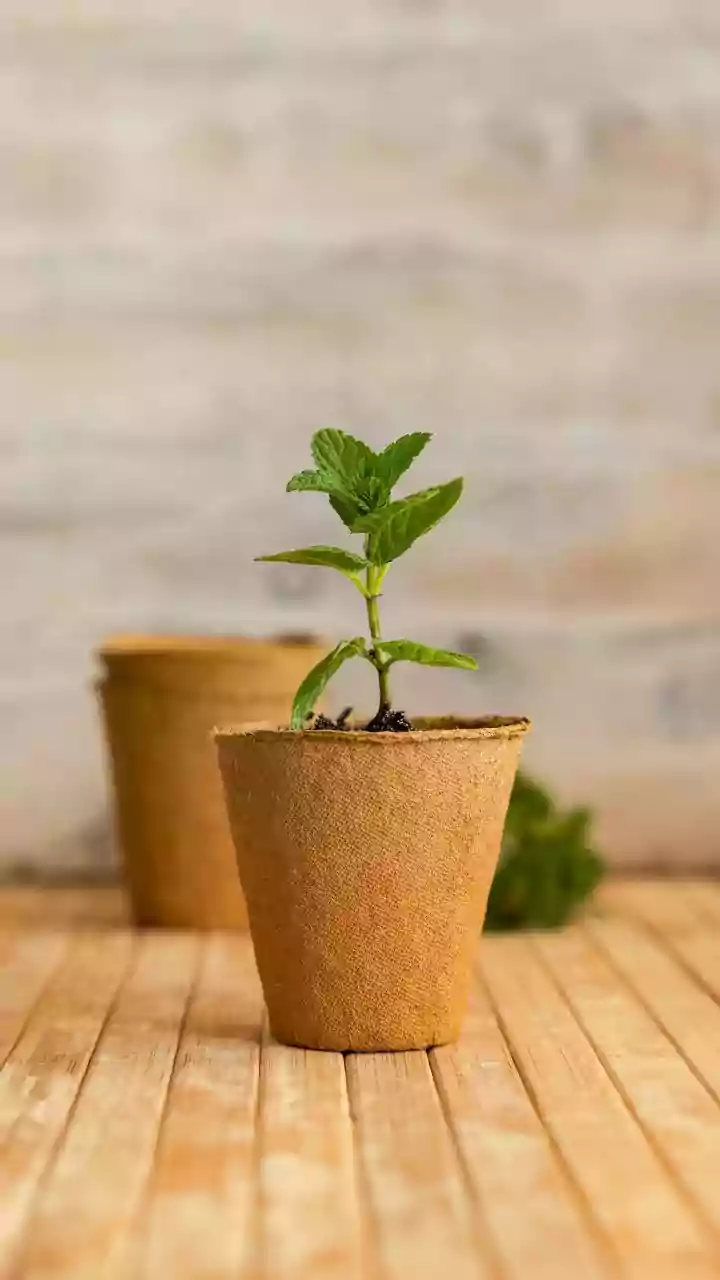
fiery kick to countless dishes, and growing your own means you have access to a level of freshness and flavour that is hard to find in stores. Beyond their culinary uses, the plants themselves are quite attractive, with vibrant green leaves and bright red fruits that stand upright, making them a colourful addition to any patio or balcony. Starting with a young plant from a nursery is often easiest for beginners.
The Perfect Potting Mix Recipe
The foundation of a healthy chilli plant is its soil. Garden soil is not suitable for pots as it compacts easily, leading to poor drainage and root rot. Instead, a soilless potting mix is ideal because it's light, allows for air and water flow, and is sterile. A simple, effective recipe combines three key ingredients. Aim for a mix of equal parts: garden soil, compost, and cocopeat. Some experts recommend a ratio of 50% red soil, 30% compost, and 20% cocopeat. The compost provides essential nutrients, while cocopeat (coconut coir) helps the mix retain moisture without becoming waterlogged and improves overall structure. For even better drainage and aeration, which is crucial for chillies, add perlite or vermiculite to your mix.
Choosing the Right Container
Chilli plants grow very well in containers, but the right pot is essential. Choose a pot that is at least 8 to 10 inches deep to give the roots enough room to develop. Proper drainage is non-negotiable, as chillies detest 'wet feet'. Ensure your container has several drainage holes at the bottom. Terracotta pots are a good option as they are porous and allow the soil to breathe, but any sturdy pot will work as long as it provides adequate drainage. For a large harvest, a bigger pot is always better, as more room for roots generally leads to a more productive plant.
Sunlight and Watering Needs
Thai chillies are sun-loving plants. To thrive and produce fruit, they need a warm, sheltered spot that receives at least six hours of direct sunlight every day—more is even better. When it comes to watering, consistency is key. Water your plants deeply whenever the top inch of soil feels dry to the touch. During hot summer months, this might mean watering daily. However, be careful not to overwater, especially once the plant begins to fruit. Inconsistent watering can stress the plant and cause its flowers to drop before they turn into chillies. It is better to water thoroughly every few days than to give a little bit daily, as this encourages deeper root growth.
Feeding for a Bountiful Harvest
While your initial compost-rich mix provides a good start, chillies are heavy feeders and will benefit from regular fertilization. Once the plant is established, you can supplement with a balanced liquid fertilizer every few weeks. Look for a mix that is not overly high in nitrogen, which would encourage leafy growth at the expense of fruit. A fertilizer formulated for tomatoes or vegetables, such as a 5-10-10 blend, is often a good choice as it provides the right balance of nitrogen, phosphate, and potassium for pepper development. Some gardeners also add a little Epsom salt to the water for an extra magnesium boost.
Dealing With Common Pests
Container-grown chillies can sometimes attract pests like aphids, spider mites, and whiteflies. These pests often gather on the underside of leaves and suck the sap from the plant, causing leaves to curl and growth to be stunted. Inspect your plants regularly. If you spot any pests, you can often manage them with simple organic solutions. A spray of neem oil or insecticidal soap is effective against many common pests. Ensuring good air circulation around the plant can also help prevent infestations.