




Why Counting Calories Falls Short
The 'calorie in, calorie out' model has been the cornerstone of dieting advice for years. The logic seems simple: consume fewer calories than you burn to lose weight. However, this approach has significant limitations. It treats all calories as equal,
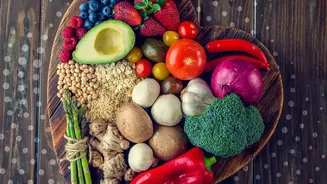
which they are not. For instance, the body processes 100 calories from an avocado differently than 100 calories from a sugary drink. The former provides healthy fats, vitamins, and fibre, while the latter offers little nutritional value. Obsessively counting calories can also foster an unhealthy relationship with food, leading to stress and anxiety. It encourages focusing on restriction rather than nourishment, often leading people to choose low-calorie processed foods that lack essential nutrients. This narrow focus ignores crucial factors like hormonal responses, gut health, and the feeling of fullness, or satiety.
What is Dietary Fibre, Really?
Dietary fibre is a type of carbohydrate that our bodies cannot digest. Instead of being broken down into sugar molecules, it passes through our digestive system largely intact. There are two main types, and both are vital for health. Soluble fibre dissolves in water to form a gel-like substance. This process slows digestion, helps lower cholesterol, and stabilises blood sugar levels. Insoluble fibre does not dissolve in water. It adds bulk to stool, which promotes regular bowel movements and prevents constipation. Think of it as the unsung hero of your plate, working behind the scenes to keep your entire system running smoothly.
The Science of Feeling Full
One of fibre's most significant benefits is its impact on satiety. Because high-fibre foods take longer to chew and digest, they help you feel fuller for longer on fewer calories. This naturally helps regulate your appetite, reducing the urge to snack between meals. Soluble fibre, in particular, forms a gel in the stomach, which slows down how quickly food moves through your system. This not only keeps hunger at bay but also helps prevent sharp spikes in blood sugar after a meal, which can lead to energy crashes and cravings. By focusing on fibre, you naturally manage your energy intake without the mental burden of calorie counting.
Benefits Beyond the Scale
The advantages of a fibre-rich diet extend far beyond weight management. Fibre is essential for a healthy gut microbiome, acting as a prebiotic—food for the beneficial bacteria in your intestines. A thriving gut microbiome is linked to improved immunity and lower inflammation. A high-fibre diet is also associated with a reduced risk of several chronic diseases, including heart disease, type 2 diabetes, and certain types of cancer. It helps lower bad cholesterol levels and supports overall heart health. Essentially, by prioritising fibre, you are investing in your long-term health and not just a number on the scale.
Easy Ways to Boost Your Fibre in an Indian Diet
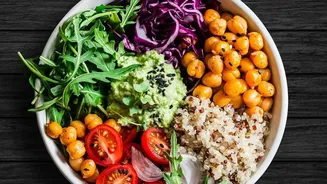
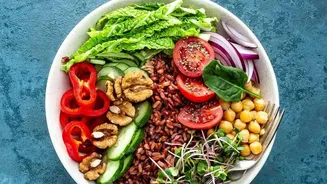
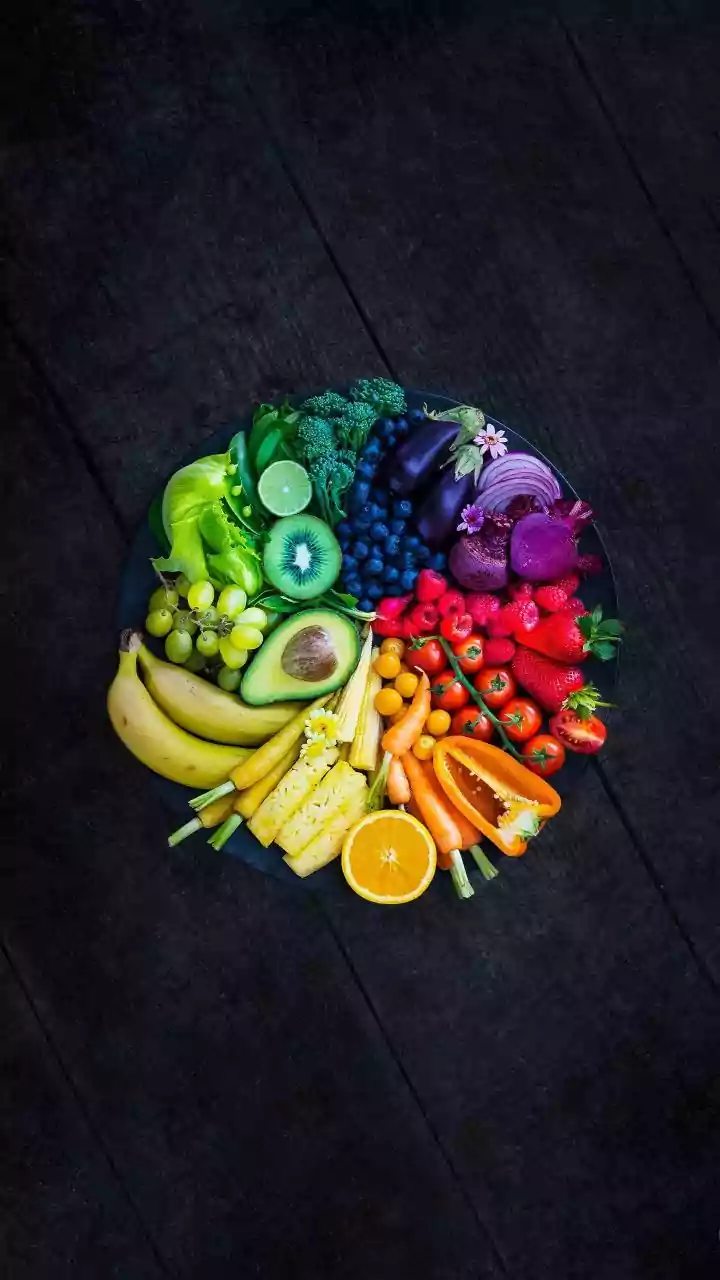
The good news is that a traditional Indian diet is naturally rich in fibre. The key is to choose whole, unprocessed foods. Start your day with oats upma or a millet-based porridge like ragi. For lunch and dinner, ensure your plate is balanced. Fill half with vegetables like okra (bhindi), spinach (palak), or cauliflower (gobi). A quarter should be a protein- and fibre-packed legume, such as dal, chickpeas (chana), or kidney beans (rajma). The final quarter should be a whole grain like whole wheat roti, brown rice, or millets like jowar and bajra. Snack on fibre-rich fruits like guava, apples, and bananas, or a handful of nuts and seeds. These simple swaps can significantly increase your daily fibre intake.