

The Golden Rule: Reheat Just Once
When it comes to food safety, the simplest advice is often the best. Most food safety authorities, including the UK's National Health Service (NHS) and the US Food and Drug Administration (FDA), recommend reheating leftovers only once. While it might
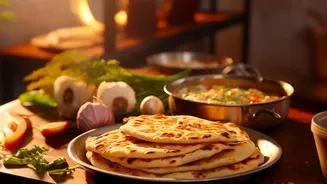
be technically possible to reheat food multiple times if done perfectly, the risk of foodborne illness increases with each cycle of cooling and heating. The safest and most practical approach for home kitchens is to stick to the one-reheat rule. If you've cooked a large batch of dal or curry, it’s better to portion it out and only reheat what you plan to eat in a single meal.
The Science Behind the Risk: The 'Danger Zone'
The primary concern with reheating is bacterial growth. When food sits at temperatures between 4°C and 60°C (40°F and 140°F), often called the 'danger zone', bacteria can multiply rapidly. Every time you cool and then reheat food, it passes through this zone. The longer it spends there, the higher the risk. Some bacteria, like Staphylococcus aureus or Bacillus cereus, can produce toxins that are heat-stable, meaning even proper reheating won't destroy them once they have formed. This is why initial cooling and storage are just as important as the reheating process itself.
Proper Cooling Is Your First Line of Defence
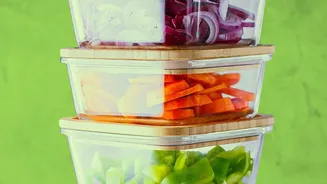
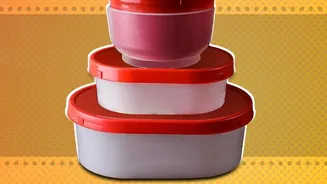
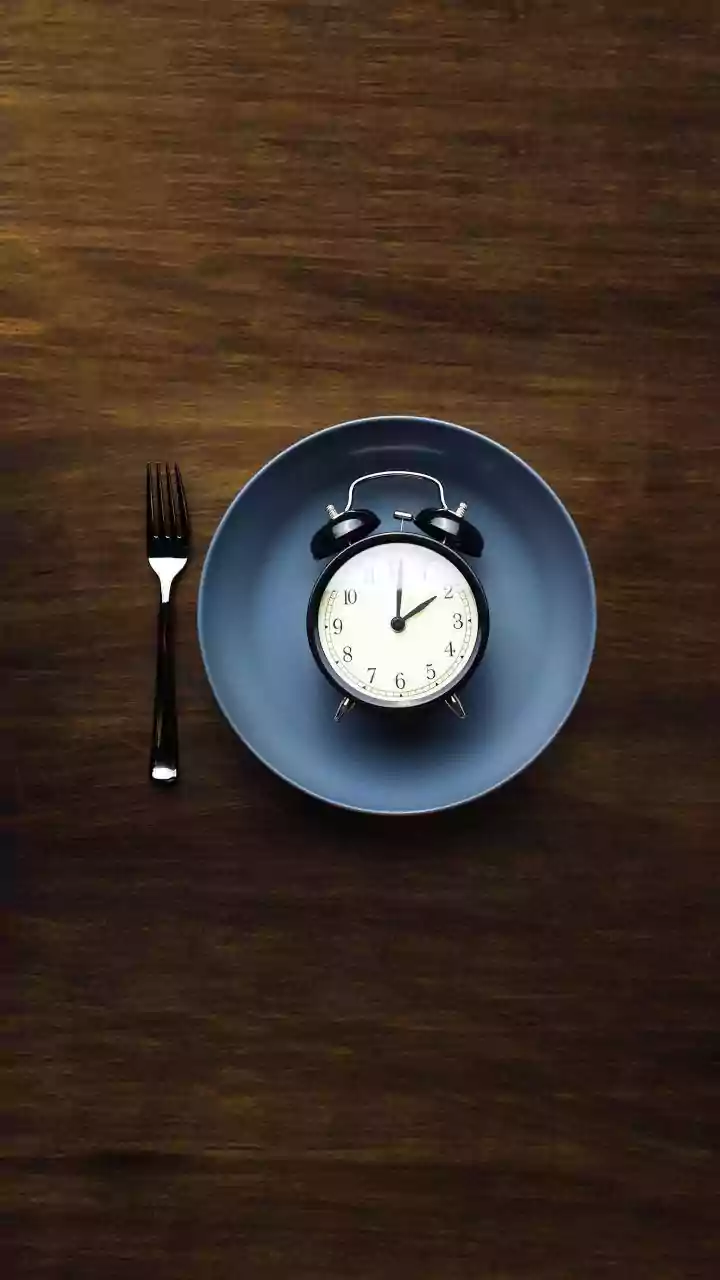
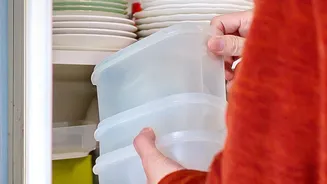
Safe reheating starts the moment you finish cooking. To minimise the time your food spends in the danger zone, it's crucial to cool leftovers quickly. The official guidance is to get them into the refrigerator within two hours of cooking. If you've made a large pot of food, don't put the entire hot vessel into the fridge, as this can raise the appliance's internal temperature and take too long to cool. Instead, divide the food into smaller, shallow containers to help it cool down faster before refrigerating.
The Right Way to Reheat: Hot and Steamy
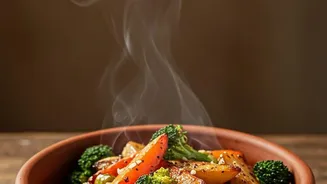
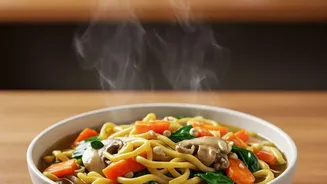
When you do reheat your single-serving portion, your goal is to make it piping hot all the way through. The magic number to aim for is an internal temperature of 75°C (165°F). This ensures that any harmful bacteria that may have developed are killed. A food thermometer is the most reliable way to check this. If you're using a microwave, cover the food and stir it partway through to eliminate cold spots where bacteria can survive. For soups, sauces, and gravies, bringing them to a rolling boil on the stove is a good visual indicator that they are hot enough.
Some Foods Are Higher Risk Than Others
While all leftovers require care, some foods are more prone to causing issues. Rice is a well-known culprit because it can contain spores of Bacillus cereus, which can survive initial cooking. If cooked rice is left at room temperature, these spores can germinate and produce toxins that aren't destroyed by heat. Poultry, egg-based dishes, and seafood also require extra caution to ensure they are reheated thoroughly to kill any potential pathogens like Salmonella. Similarly, certain vegetables like spinach are best handled carefully, not because reheating itself is toxic, but because improper storage can allow bacteria to convert nitrates into nitrites.