



From Green Space to Living Habitat
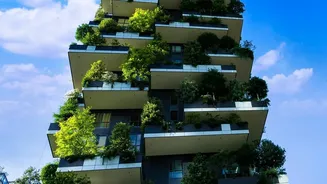
In our rapidly growing cities, green spaces are shrinking, leaving local wildlife with fewer places to find food and shelter. A home garden, however small, can act as a crucial 'stepping stone' for these creatures. But to be truly effective, a garden needs
to provide more than just greenery. The traditional, neatly manicured lawn with a few exotic plants is often a food desert for local fauna. The goal is to shift from a purely decorative space to a functional one that offers a complete habitat. By providing food, water, and shelter, your garden becomes an active participant in supporting urban biodiversity, inviting the flutter of butterflies and the song of birds right to your doorstep.
The Three-Part Harmony of a Wildlife Garden
The most successful wildlife gardens offer a complete menu. This involves a simple but powerful strategy of combining three types of plants: flowering, fruit-bearing, and host plants. Flowering plants provide nectar for pollinators like bees and butterflies. Fruit-bearing plants offer a food source for birds. And host plants serve as a nursery, providing the specific leaves that caterpillars need to eat before they can transform into butterflies. Together, these three elements create a self-sustaining cycle of life, ensuring that wildlife is not just visiting for a quick snack but can complete its life cycle in the sanctuary you've created.
Flowering Plants: The Nectar Bar
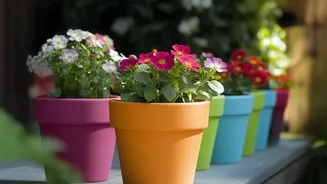
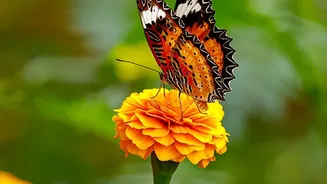
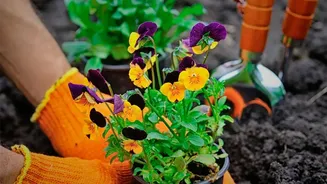
Nectar-rich flowers are the primary attractant for pollinators. Brightly coloured blooms act as a vibrant 'open' sign for bees, butterflies, and sunbirds. When choosing flowering plants, prioritising native species is key, as local pollinators are adapted to them. Excellent choices for Indian gardens include Marigold (Genda), which are easy to grow and attract bees and butterflies. Hibiscus (Gudhal) offers large, nectar-rich flowers for birds and insects, while the fragrant blooms of Jasmine (Chameli) and Holy Basil (Tulsi) are also pollinator magnets. Planting these in clusters makes it easier for pollinators to find them and forage efficiently.
Fruit-Bearing Plants: A Feast for Birds
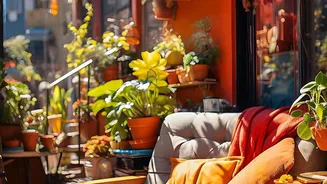
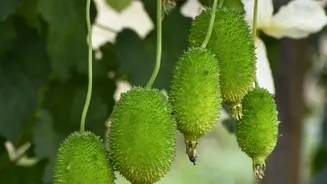
Adding fruit-bearing trees and shrubs provides a vital food source, especially for birds. You don't need a massive yard to do this; many fruit plants can thrive in large pots on a terrace or balcony. Guava (Amrood) trees are a favourite, known to attract parrots and other birds. Smaller options like Indian Gooseberry (Amla) and Pomegranate (Anar) are also excellent choices for a home garden and can support a variety of bird species. Even allowing vegetables like brinjal and capsicum to fruit on your terrace can provide food for avian visitors. These plants ensure that your garden offers sustenance throughout the seasons.
Host Plants: The Butterfly Nursery
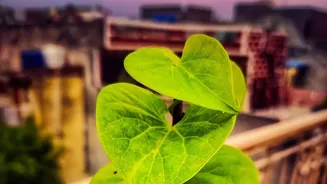
This is perhaps the most overlooked but essential part of creating a butterfly haven. Butterflies are very particular about where they lay their eggs; they choose specific 'host plants' that their caterpillars can feed on. Without host plants, butterflies may visit for nectar but won't stay to reproduce. A classic example is the Curry Leaf plant (Kadi Patta), which is a host for the Common Mormon butterfly. Similarly, Citrus plants like lemon serve as hosts for the Lime butterfly. Milkweed is famous for supporting the Plain Tiger butterfly. By planting these, you're not just feeding butterflies—you're creating the next generation.
Bringing It All Together
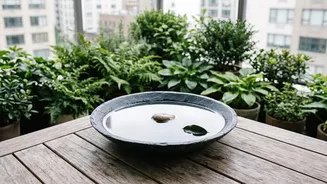
Creating your wildlife garden is a rewarding process. Start by choosing a mix of native plants from the three categories. Think in layers: taller fruit trees, medium-sized shrubs, and smaller flowering plants and herbs. This diversity of structure provides more options for shelter and nesting. Add a shallow dish of water, which can be a lifeline for birds and insects, especially during hot weather. Crucially, avoid chemical pesticides. A healthy garden will attract beneficial insects that naturally control pests, creating a balanced ecosystem. Your garden doesn't need to be wild or messy; it just needs to be alive and full of the right resources.