



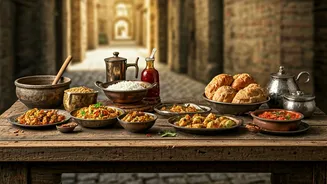


A Cascade of Global Acclaim
The most significant nod came from one of the biggest names in travel, Lonely Planet, which named Kerala's culinary culture among the 25 best global travel experiences for 2026. [34, 36, 39] Titled “Dig in to Kerala's Culinary Culture,” the feature celebrated
the state as a haven for gastronomic adventurers and was the only entry from India to make the prestigious list. [36, 42] This isn't an isolated event. Kozhikode's iconic Paragon restaurant has been catapulted into the global limelight by the food guide TasteAtlas, which ranked it as high as the world's 5th most legendary restaurant. [31, 45] The restaurant, established in 1939 and famed for its Malabar biryani, was lauded as an emblem of the region's rich gastronomic history. [31, 33] Adding to the momentum, Malayali chefs are also being decorated with international honours. Chef Regi Mathew recently clinched the coveted One Knife Award at Milan's Best Chef Awards 2025 for his exceptional work in promoting indigenous Kerala cuisine. [37, 47]
The Taste of ‘God's Own Country’
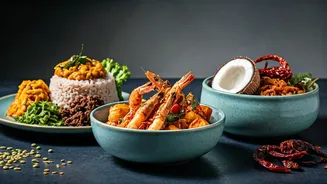
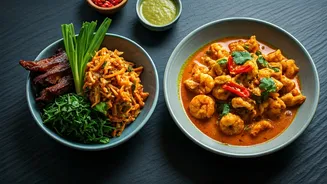
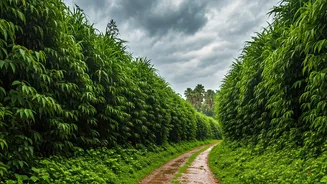
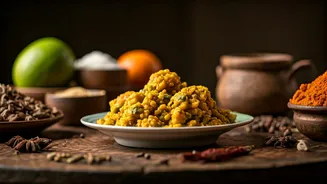
So what exactly makes Keralan food so special? It begins with geography. Known as the 'Land of Spices', its history of trading pepper, cardamom, and turmeric dates back millennia. [35] This aromatic heritage is the backbone of its cuisine. Unlike the ghee and cream-heavy dishes of the north, Kerala’s food is defined by the holy trinity of coconut, seafood, and rice, all found in abundance along its lush coastline. [40, 41] Coconut is the undisputed star, used in all its forms: grated for texture, pressed into rich milk for creamy curries like a classic 'Meen Curry' (fish curry), and as oil for tempering and frying. [40, 43] This creates a flavour profile that is layered and fragrant, often balanced by the sour tang of 'kodampuli' (Malabar tamarind). [46]
More Than a Monolith
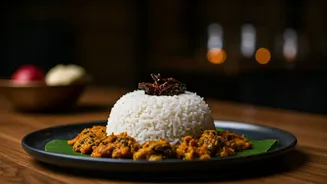
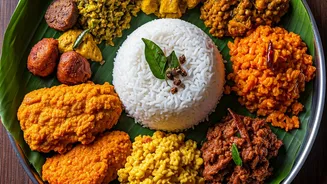
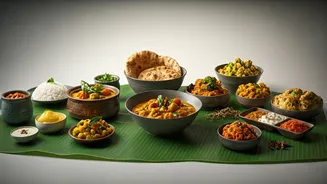
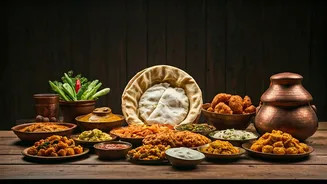
To label Keralan food as a single entity would be a mistake. The cuisine varies enormously across the state. [34] The northern Malabar region is known for its rich, spice-laden Mappila (Muslim) cooking, which features distinctive biryanis and flaky parottas. [38] In the south, you'll find lighter, coconut-infused stews, perfectly paired with fluffy, lace-edged rice pancakes called 'Appam'. [38, 42] Then there is the magnificent 'Sadya', a lavish vegetarian banquet that is a cultural cornerstone. [46] Served on a banana leaf, a Sadya can consist of over 20 different dishes, from lentil curries and vegetable stir-fries to various pickles and sweet 'payasam' desserts, creating a symphony of flavours in a single meal. [50, 53]
Why Is the World Waking Up Now?
Several factors are driving this newfound appreciation. Firstly, today’s global diner is more adventurous, actively seeking authenticity and regional specificity over generic, homogenized cuisines. Secondly, a talented generation of chefs from the Keralite diaspora is proudly championing their heritage. In London, Quilon has held a Michelin star for years by focusing on south-west coastal Indian food. [51, 58] In New York, the Michelin-starred Semma, while rooted in Tamil traditions, showcases unapologetically South Indian flavours, with Keralan-inspired dishes like 'Meen Pollichathu' (fish wrapped in banana leaf) and 'Kozhi Allepey' on its menu. [60] These establishments, along with increased tourism to the state, have acted as global ambassadors, introducing the world to a cuisine that has, for too long, been India’s best-kept culinary secret.