




A Return to Mindful Materials
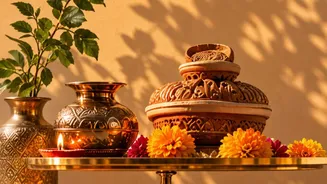
For generations, Indian kitchens were filled with the goodness of earthenware, the sheen of brass, and the healing touch of Kansa. These materials weren't just for cooking; they were part of a holistic approach to wellness, often prescribed by Ayurveda
for their health benefits. However, the convenience of non-stick coatings and stainless steel slowly pushed these heirlooms to the back of the cupboard. Today, growing awareness about the chemicals in modern cookware and a desire for a more sustainable lifestyle are driving a powerful comeback. Home cooks are increasingly turning away from disposable, factory-made items and seeking out kitchen tools that are natural, durable, and tell a story.
Modern Function, Timeless Form
This revival isn't about simply copying the past. Craft collectives and design-led brands are re-evaluating traditional forms for contemporary life. They understand that a modern kitchen in a compact urban apartment has different needs than a sprawling ancestral one. Brands like Zishta and Studio Coppre are creating products that honour heritage while fitting seamlessly into today's cooking routines. For instance, a traditional Kansa 'urli' (a wide-mouthed vessel) might be reimagined as a sleek, multipurpose casserole pot with heat-resistant handles. A classic 'sil batta' (grinding stone) is being designed in more compact, ergonomic forms for grinding fresh masalas without occupying too much counter space. The goal is to make these beautiful, handcrafted items not just decorative showpieces, but functional, everyday workhorses.
Spotlight on the Artisans
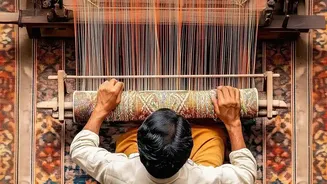
At the heart of this movement are the artisans themselves. Collectives are creating crucial links between rural craftspeople and urban consumers, ensuring ancient skills are not only preserved but are also economically viable. Consider the Thatheras of Punjab, a community of metalworkers whose craft of hand-hammering brass and copper is recognized by UNESCO. For years, their livelihood was threatened by the declining use of these metals. Today, initiatives that connect them with a market hungry for authentic, non-toxic cookware are helping to revive their fortunes, with artisan incomes rising significantly. By integrating modern design inputs, these initiatives create a self-sustaining ecosystem where heritage skills can thrive.
More Than Just a Utensil
Choosing a handcrafted utensil is about more than just aesthetics; it's a conscious decision to support a community and an ecosystem. Each neem wood ladle, cast iron tawa, or Kansa platter carries the imprint of its maker and a connection to a specific region and tradition. These objects bring an element of soulfulness into the daily ritual of cooking. Brands like The Indus Valley and Mitti Cool focus on creating natural, non-toxic cookware that harks back to what our grandmothers used, proving that what is old can be new, and healthier, again. This shift represents a move towards 'slow consumption', where the value of an object lies in its craftsmanship, longevity, and the positive impact it has on both our health and the artisan's life.