


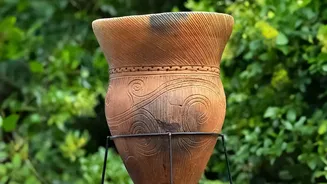
An Ancient Answer to Modern Watering
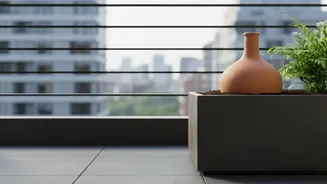
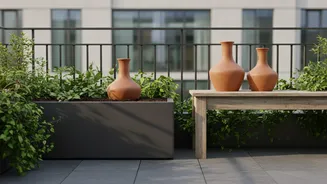
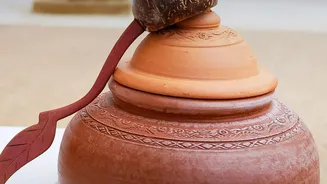
An olla (pronounced ‘oy-yah’) is an unglazed, porous clay pot that is buried in the soil, with only its narrow neck exposed. You fill it with water, and that's it. This seemingly simple device is one of the most efficient irrigation methods ever devised,
with a history stretching back millennia to ancient China, Mesopotamia, and North Africa. Farmers in arid regions have long relied on these buried clay pots to grow crops in harsh conditions, a testament to their incredible effectiveness. Today, this ancient wisdom is finding a new home in the urban gardens and balconies of India, offering a sustainable solution to the challenges of container gardening.
How Ollas Work to Save Water
The magic of the olla lies in its simplicity and the natural principle of soil moisture tension. Because the pot is unglazed, its walls are porous. When the surrounding soil is dry, water is slowly pulled out through these tiny pores directly into the root zone of your plants. If the soil is already moist, for instance after a rain, the water stays inside the pot. This creates a self-regulating system where plants essentially 'drink' what they need, when they need it. Unlike surface watering, where much of the water is lost to evaporation and runoff, olla irrigation delivers moisture underground. This method is remarkably efficient, with studies showing it can reduce water consumption by 50% to 70% or even more compared to traditional watering.
The Humid Weather Advantage
Here’s where ollas truly shine, especially during India's humid monsoon seasons. When you water plants from the surface in damp weather, the top layer of soil stays wet for prolonged periods. This creates the perfect breeding ground for fungal diseases like powdery mildew and can lead to root rot, which can quickly kill container plants. Ollas completely bypass this problem. By delivering water below the surface, they keep the topsoil, stems, and leaves of your plants dry. This significantly reduces the risk of fungal infections and helps maintain healthier, more resilient plants that can better withstand the stresses of a humid climate.
Perfect for Balconies and Containers
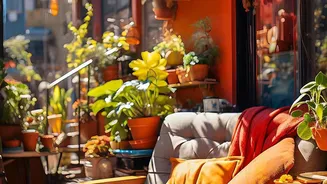
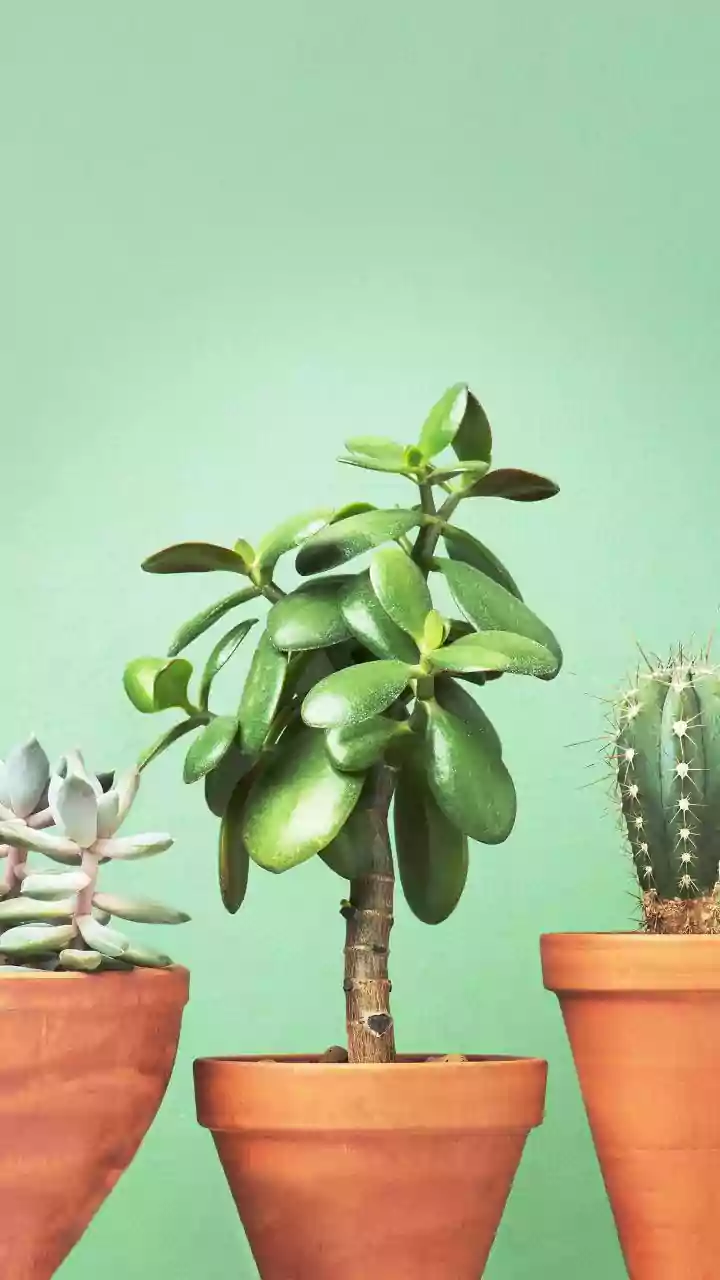
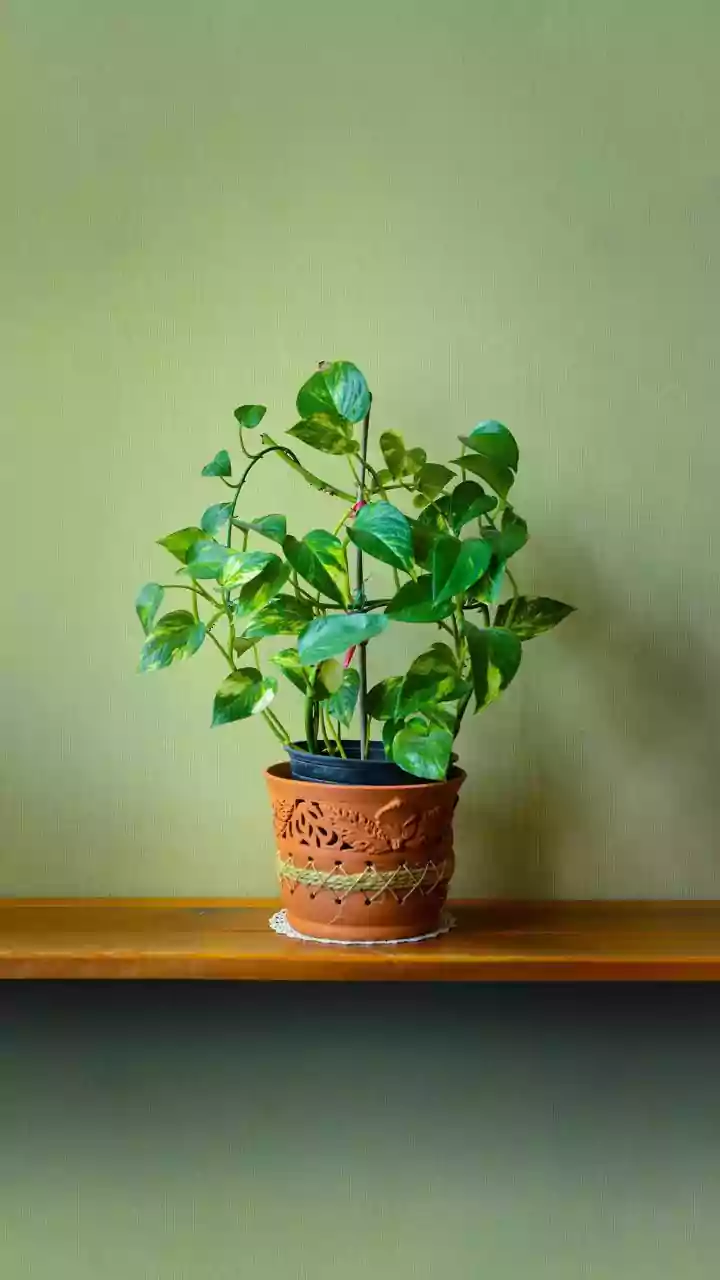
Container gardens, which are common on urban balconies, dry out much faster than in-ground beds. The limited soil volume and heat absorbed from railings and walls can quickly stress plants on a hot day. Ollas provide a consistent source of moisture, acting like a personal reservoir for each pot and encouraging deeper, stronger root growth. This makes them ideal for busy individuals or those who travel, as a single fill-up can keep a plant hydrated for several days. For container gardening, a small olla is typically sufficient for a pot that is at least 12-16 inches in diameter. Simply place it in the center before adding your plants.
Getting Started with Your Olla
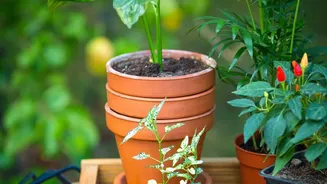
Using an olla is straightforward. First, bury the pot in your container or garden bed, leaving just the neck exposed above the soil. When planting, place your plants around the olla. Thirsty plants like tomatoes, peppers, squash, and most herbs are excellent candidates for this system. Their fibrous roots will naturally grow toward the water source, often forming a dense mat around the pot. Fill the olla with water and place a stone or a small lid over the opening. This prevents mosquitoes from breeding and keeps debris from falling in. You'll only need to refill the olla every few days, depending on the weather and the needs of your plants. Just remember not to add liquid fertilizer to the olla itself, as it can clog the porous clay.