




1. Master the Art of Protein Pairing
Protein is the building block of our bodies, but getting enough on a veg diet requires a little strategy. Many plant-based foods are 'incomplete' proteins, meaning they lack one or more essential amino acids. The solution is simple: pair them up! The classic
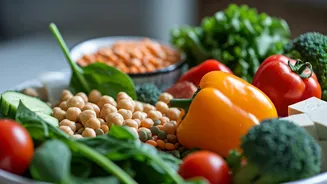
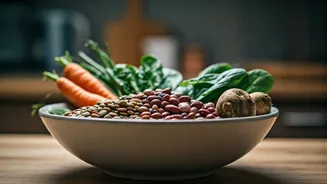
Indian combination of dal (lentils) and rice or roti (whole wheat) creates a complete protein profile. Think beyond this, too. Combine legumes with nuts, seeds, or grains. A bowl of chana masala with a side of brown rice, or a handful of peanuts with your sprouts salad, ensures you’re getting the full spectrum of amino acids your body needs for muscle repair and energy.
2. Boost Iron with a Splash of Vitamin C
Iron deficiency is common, especially among vegetarians, as the type of iron in plants (non-heme iron) is harder for the body to absorb. Here’s a simple trick to double down on your intake: pair iron-rich foods with Vitamin C. The vitamin dramatically increases absorption. Squeeze lemon juice over your palak dal or spinach sabzi. Add tomatoes to your lentil soup. Have a small bowl of fruit like amla or an orange after a meal rich in chickpeas, rajma, or leafy greens. This small habit can make a huge difference in your energy levels and overall health.
3. Think Beyond Ghee for Healthy Fats
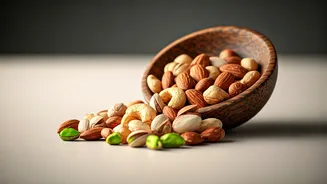
Fats are not the enemy; the right ones are essential for brain health and hormone function. While traditional fats like ghee have their place, it’s important to diversify your sources. Incorporate nuts like almonds and walnuts, and seeds like flax (alsi), chia, and sunflower into your daily routine. Sprinkle them on your morning poha, add them to dahi, or blend them into a smoothie. Using cold-pressed oils like mustard or groundnut oil for cooking, in moderation, also adds to a healthier fat profile. These fats provide Omega-3s and Omega-6s, which are crucial for reducing inflammation.
4. Eat the Rainbow, Literally
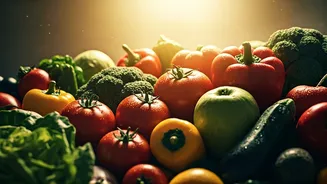
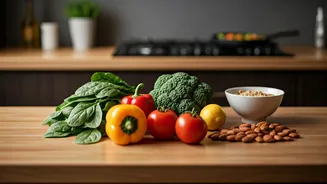
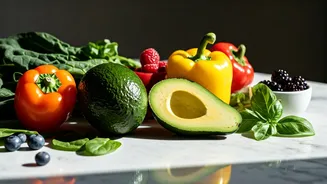
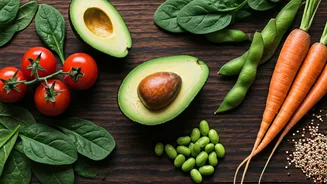
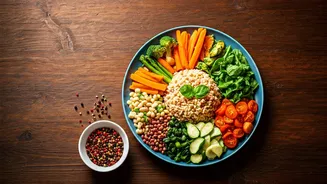
The different colours in fruits and vegetables signify different vitamins, minerals, and antioxidants. Don't just stick to potatoes and onions. Aim to have at least three different colours on your plate for every main meal. Think purple (brinjal), red (tomatoes, carrots), green (beans, leafy greens), and yellow (bell peppers, corn). A vibrant plate is not just visually appealing; it’s a sign that you are consuming a wide array of micronutrients that work together to protect your body from disease and keep your immune system strong.
5. Plan Your Plate, Not Just Your Meals
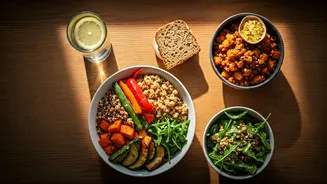
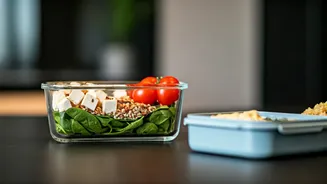
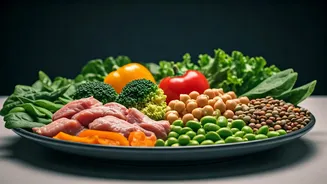
Forget complex calorie counting. A simpler approach is the 'Healthy Plate Model.' Imagine your plate divided into four sections. Fill half your plate with non-starchy vegetables (sabzi, salad). Fill one quarter with a quality protein source (dal, paneer, tofu, chickpeas). Fill the final quarter with whole grains or complex carbs (brown rice, whole wheat roti, millets). A side of dahi (yoghurt) or a small bowl of salad completes the picture. This visual guide ensures you’re getting a balanced intake of fibre, protein, and carbs in the right proportions, preventing over-reliance on just one food group.
6. Upgrade Your Snack Game
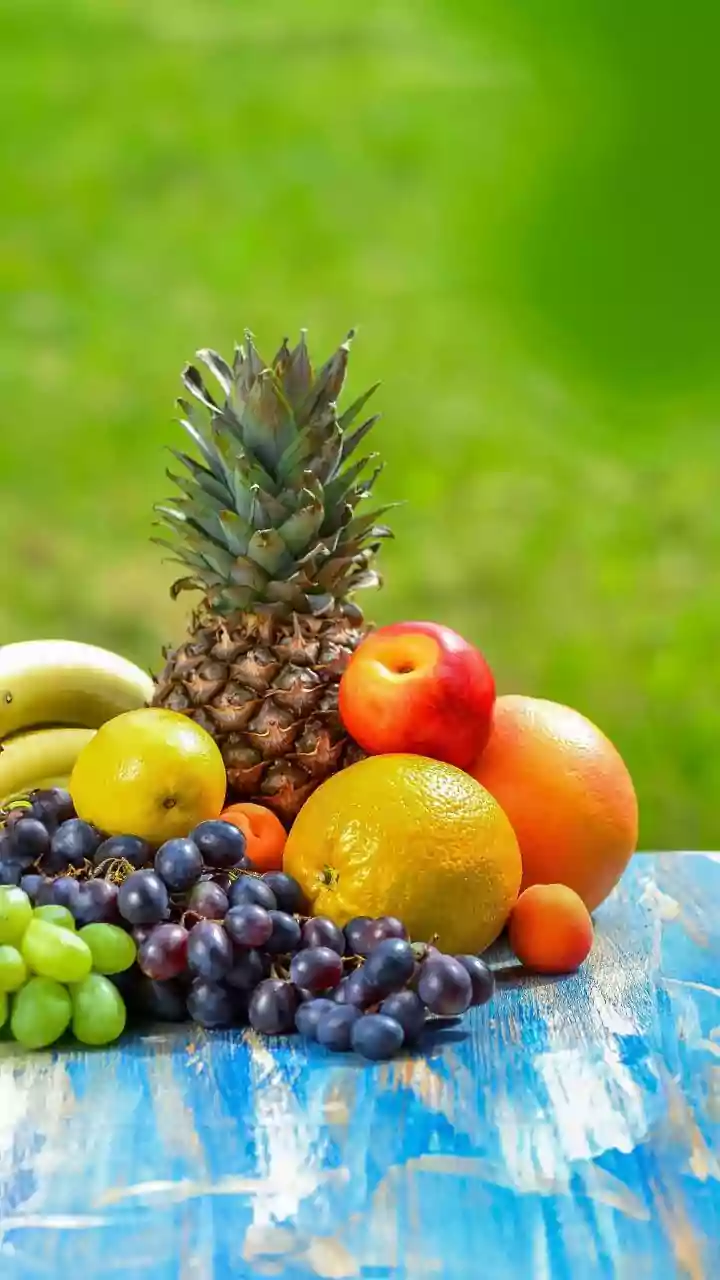
Mid-day hunger often leads to reaching for fried samosas or packaged chips. A little planning can turn snack time into a nutritional powerhouse. Keep healthy options within easy reach. A handful of roasted makhana (fox nuts), a piece of fruit, a small bowl of sprouts, or a few nuts are excellent choices. Even a simple glass of buttermilk (chaas) can be a refreshing and protein-rich snack. These options provide sustained energy without the sugar crash and empty calories of processed snacks, keeping you full and focused until your next meal.
7. Mind Your B12 and Vitamin D
Two nutrients that are notoriously difficult to get from a standard vegetarian diet are Vitamin B12 and Vitamin D. Vitamin B12 is almost exclusively found in animal products, so vegetarians should focus on fortified foods like certain cereals, plant-based milks, and nutritional yeast. Dairy products like milk and yoghurt also provide some B12. For Vitamin D, the 'sunshine vitamin,' safe sun exposure is the best source. However, in many urban settings, this can be insufficient. It’s wise to get your levels checked and discuss potential supplementation with your doctor for both these crucial vitamins.