





In the kingdom of tropical fruits, mango and papaya are undisputed royalty. Both are beloved for their sweet, vibrant flesh, but when it comes to nutrition, they are rivals with surprisingly different strengths. Let’s slice into their vitamin profiles.
An Overview of the Tropical Titans
At a glance, mangoes and papayas seem similar. They are both soft, fleshy fruits that thrive in warm climates and feature heavily in Indian cuisine, from breakfast bowls to cooling desserts. Both are celebrated for their health benefits, packed with antioxidants and fibre. A 100-gram serving of either fruit is relatively low in calories, with mango containing around 60 calories and papaya coming in even lighter at about 43 calories. However, the real story of njihov different nutritional offerings begins when we look closer at their specific vitamin content. Choosing between them can depend entirely on your personal health goals, whether you're looking to boost your immunity, improve your skin, or support your digestive system.
The Vitamin C Showdown
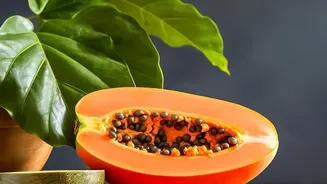
If your primary goal is to bolster your immune system, papaya is the clear winner. Papaya contains significantly more vitamin C than mango. A 100-gram serving of papaya delivers around 61 mg of vitamin C, which is over two-thirds of the recommended daily intake for an adult. In contrast, the same amount of mango provides about 36 mg of vitamin C. While still a respectable amount, it's considerably less than its rival. Vitamin C is a powerful antioxidant crucial for fighting off infections, supporting skin health by aiding collagen production, and protecting cells from damage. So, if you feel a cold coming on or simply want to maximise your immune defense, reaching for a bowl of papaya is your best bet.
The Battle for Vitamin A
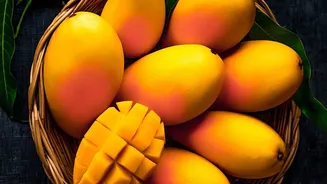
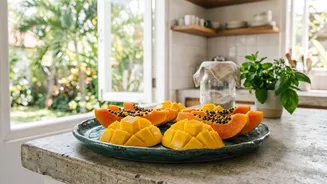
When it comes to vitamin A, the roles are reversed, and the mango takes the crown. Mango is exceptionally rich in beta-carotene, the precursor that our bodies convert into vitamin A. A 100-gram portion of mango contains much more beta-carotene than papaya. This vitamin is essential for maintaining healthy vision, particularly in low light, as well as supporting immune function and promoting healthy skin cell turnover. While papaya also contains vitamin A, mango's higher concentration makes it the superior choice for anyone focused on eye and skin health. The vibrant orange-yellow hue of a ripe mango is a direct indicator of its rich carotenoid content.
A Look at Folate and Other B Vitamins
Beyond the headline vitamins A and C, both fruits offer a healthy dose of B vitamins, particularly folate (vitamin B9). Here again, mango has a slight edge, containing more folate per serving than papaya. Folate is a critical nutrient for cell growth and DNA synthesis, making it especially important during pregnancy. Both fruits also contain smaller amounts of other B vitamins like B6, which contribute to energy metabolism and overall cellular function. So while mango is a slightly better source, incorporating either fruit into your diet is a good way to top up on these essential micronutrients.
Beyond the Vitamins: Enzymes and Fibre
While vitamins are the main event, it's worth noting a key difference that isn't a vitamin at all. Papaya is famous for containing papain, a unique digestive enzyme that helps break down proteins. This makes papaya an excellent fruit to eat after a heavy, protein_rich meal to aid digestion and reduce feelings of bloating. Mango contains other enzymes that help digest carbohydrates. Both fruits are good sources of dietary fibre, which is essential for a healthy digestive system, but papaya’s papain gives it a distinct advantage in the digestion department. Papaya also tends to have a higher water content and less sugar, making it a lighter option overall.