
Zermatt: The Matterhorn Effect
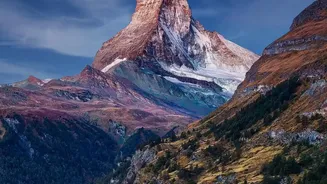
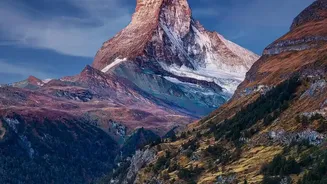
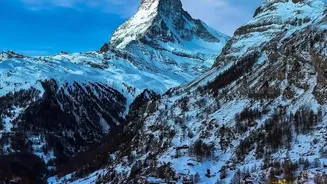
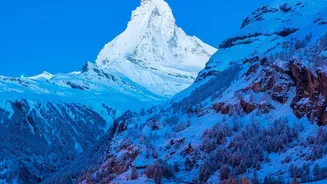
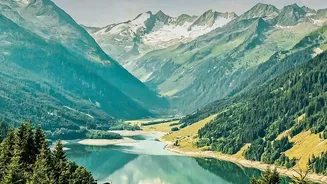
Zermatt is the quintessential example of high demand driving high costs. As the gateway to the Matterhorn, one of the world's most iconic peaks, it commands a premium that few other Alpine resorts can match. More than two million visitors flock here annually,
drawn by the promise of dramatic views and world-class skiing. The village itself is car-free, adding to its exclusive charm but also concentrating all tourist activity into a compact area. This combination of a singular, must-see attraction and limited space creates a perfect storm for accommodation prices. During peak season, mid-range hotels can command upwards of 700 Swiss Francs per night, while luxury options soar much higher. This cost structure is a direct reflection of Zermatt's brand: a luxury, high-altitude experience where the view itself is the main commodity.
Interlaken & The Jungfrau Region: Adventure's Bottleneck
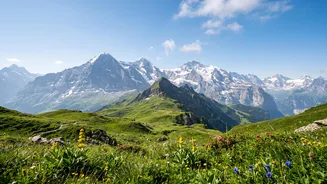
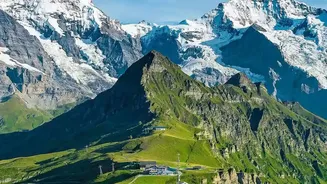
Interlaken is less a destination in itself and more a bustling launchpad for the wider Jungfrau Region, home to legendary peaks like the Eiger, Mönch, and Jungfrau. Its popularity creates a significant bottleneck, as nearly every visitor heading to attractions like Jungfraujoch—the 'Top of Europe'—passes through here. This constant flow of tourists, particularly during the peak summer months of July and August, puts immense pressure on infrastructure and accommodation. Towns in the region like Grindelwald and Lauterbrunnen experience some of the highest tourism intensity in Switzerland, with visitor numbers dwarfing the local population. The high cost of building and maintaining the mountain railways and cable cars needed to access these spectacular sights is also passed on to the consumer, contributing to the overall expense of visiting.
Lucerne: The Quintessential Swiss City
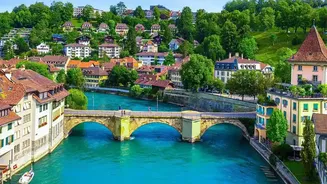
Lucerne is often considered the jewel of central Switzerland, offering a picturesque blend of a medieval old town, a stunning lake, and a backdrop of mountains like Pilatus and Rigi. Its accessibility from Zurich and its role as a key stop for tour groups make it exceptionally crowded, especially around landmarks like the Chapel Bridge. The city has become so popular that officials have taken measures to manage the influx, such as imposing fees on tourist coaches. The consistent, year-round demand from both group tours and independent travelers keeps hotel prices robust. Like Zermatt, Lucerne's appeal is so strong and its key sights so concentrated that it can sustain high prices without deterring visitors, who come seeking the classic Swiss experience it so perfectly embodies.
Geneva: The Global Hub
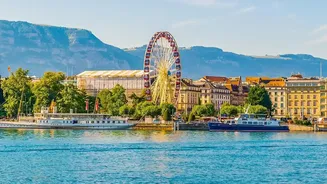
Geneva's high costs stem from a different source. As a major centre for international diplomacy and business, home to organisations like the United Nations, it has a high baseline of corporate travel. This creates a consistently strong demand for hotels, which keeps prices elevated year-round. Leisure tourists, drawn by the beautiful Lake Geneva, the famous Jet d'Eau, and the city's sophisticated, cosmopolitan atmosphere, must compete with this business demand. The city's economy is built on high wages and a high cost of living, which directly translates into expensive services, from dining to accommodation. This dual pressure from both business and leisure travel ensures that Geneva remains one of Switzerland's priciest and most consistently occupied destinations.
St. Moritz: The Luxury Brand
While Zermatt's fame is tied to a mountain, St. Moritz's is tied to a brand. For over a century, it has cultivated an image as the winter playground for the world's rich and famous. This reputation for luxury is its primary product. The town is home to a high concentration of five-star hotels, designer boutiques, and exclusive clubs, all of which cater to a clientele for whom price is secondary to experience. This creates an environment where high costs are not just a consequence of demand but part of the appeal, signaling exclusivity. The tourism intensity is significant, and while quieter than Zermatt, the focus on the ultra-luxury market means that even mid-range options are expensive compared to other Swiss resorts. Here, the crowds are paying for a lifestyle as much as a location.