




A New Definition of Fitness
For years, the mainstream fitness narrative for Indian women revolved around losing weight. Endless hours of cardio, restrictive diets, and the pursuit of a smaller number on the scale were the unquestioned goals. But a significant shift is underway.
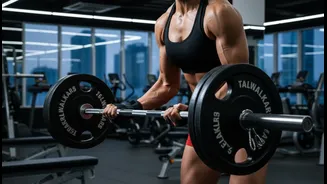
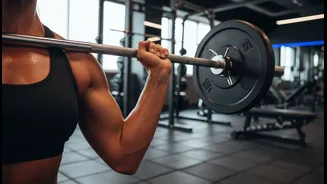
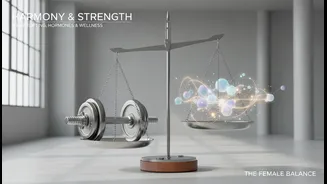
Today, an increasing number of young women are stepping into the weights section, not just for aesthetics, but for strength that serves them in and out of the gym. This is the rise of functional strength training. The focus is no longer solely on burning calories but on building a body that is capable, resilient, and prepared for the demands of daily life—from carrying groceries and lifting a suitcase into an overhead bin to simply having better posture and energy. This approach prioritises what the body can do over how it looks, marking a profound change in fitness philosophy.
Breaking Down Ingrained Myths
The journey to the squat rack has been paved with the debunking of persistent myths. The most common fear has always been that lifting heavy weights will make women look “bulky.” This misconception is slowly fading as more women and trainers share the reality: due to hormonal differences, particularly lower testosterone levels, it is incredibly difficult for women to build large, bulky muscles. Instead, strength training helps create a lean, toned physique by building muscle, which takes up less space than fat and boosts metabolism. Another busted myth is that heavy lifting is inherently dangerous for women. With proper coaching, focus on form, and gradual progression, strength training is one of the safest ways to improve physical health and prevent injuries by strengthening muscles and connective tissues.
The Mental Gains of Getting Stronger
Perhaps the most transformative aspect of this trend is the profound impact on mental well-being. Lifting weights offers more than just physical rewards; it builds mental fortitude. Research has shown that resistance training can significantly reduce symptoms of anxiety and depression. The very act of progressively lifting heavier weights fosters a powerful sense of accomplishment and self-confidence that translates into all areas of life. Each new personal record in the gym becomes a tangible reminder of one’s own capability and resilience. This feeling of empowerment is a core reason why many women, once they start, fall in love with strength training. It becomes a practice in focus, discipline, and proving to yourself that you are stronger than you thought.
More Than a Trend, It's a Movement
While India has a legacy of powerhouse female Olympic weightlifters like Karnam Malleswari and Mirabai Chanu, this new movement is a grassroots phenomenon. It’s driven by everyday women—students, working professionals, and mothers—who are discovering the benefits for themselves. Social media has played a role, allowing women to see realistic representations of female strength and find supportive communities. The conversation is shifting from one of restriction to one of abundance—fuelling your body to perform and celebrating its increasing strength. This is not just about a different way to exercise; it’s about claiming ownership of one's health and well-being in a holistic sense, focusing on long-term benefits like improved bone density, better joint health, and a reduced risk of chronic diseases.
How to Begin Your Strength Journey
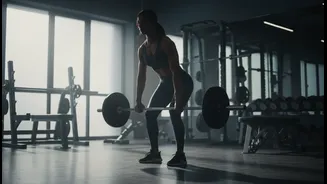
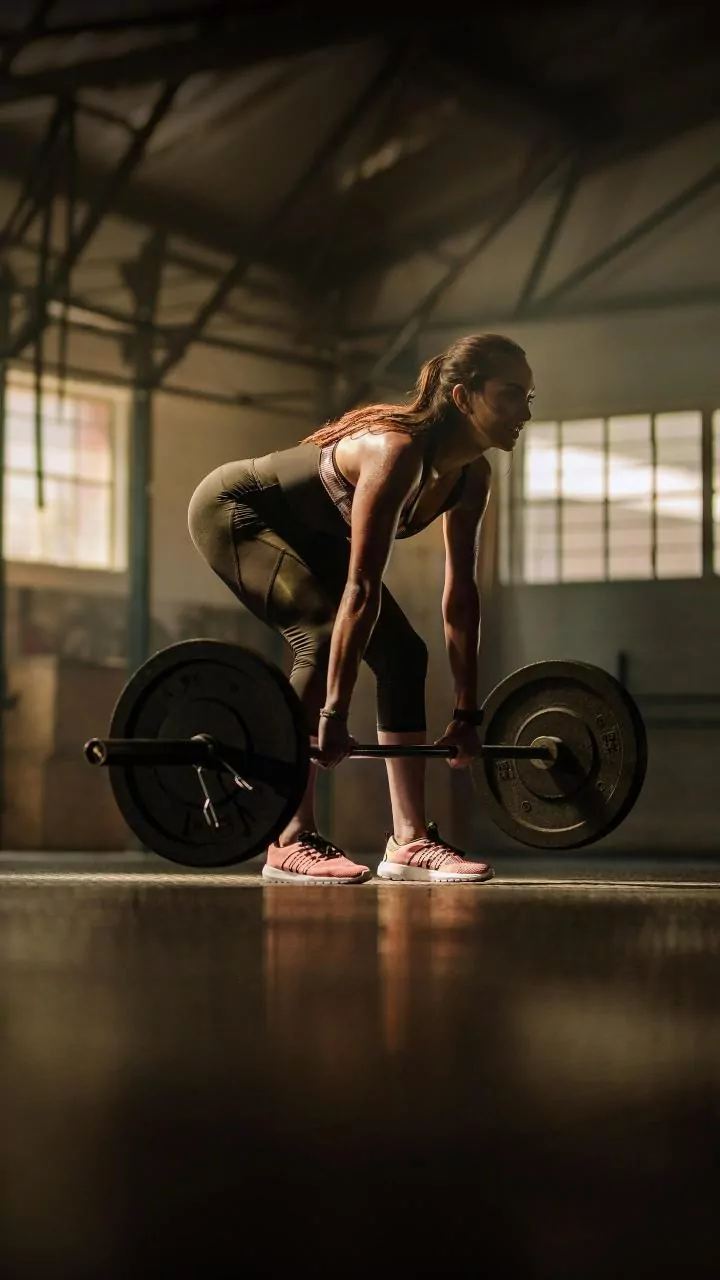
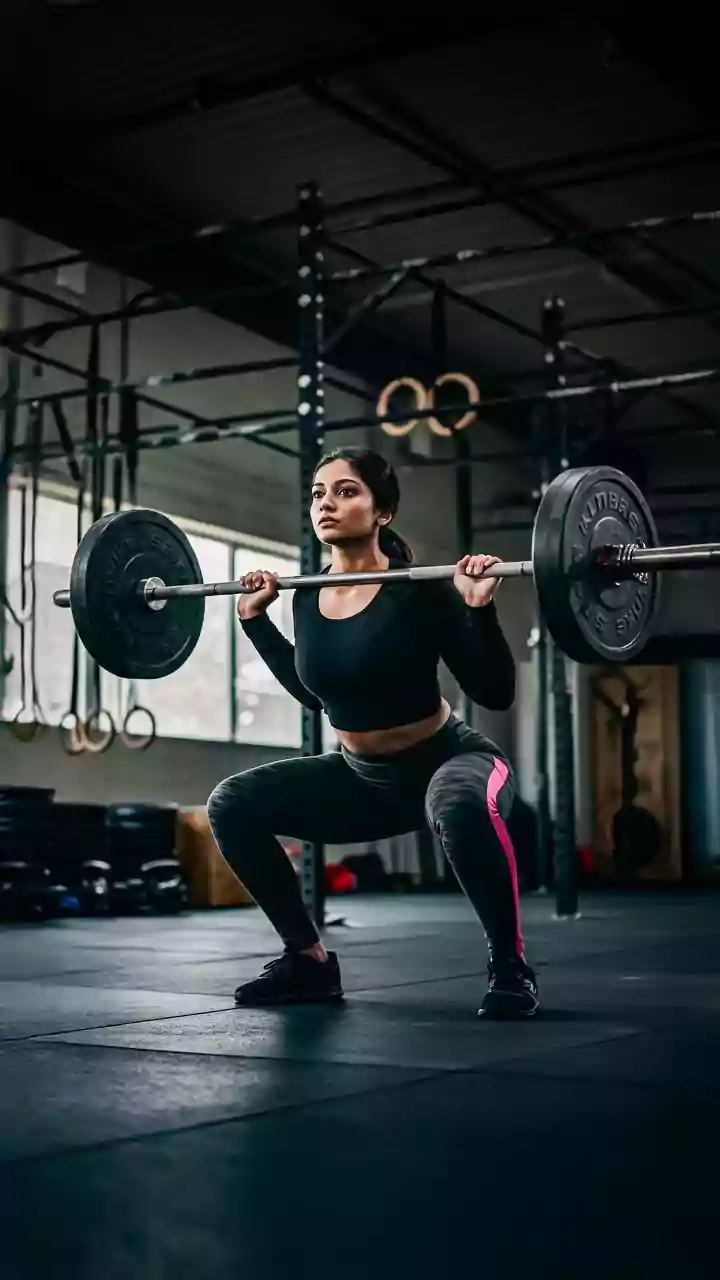
For those inspired to start, the path is more accessible than it might seem. The first and most crucial step is to find a qualified coach who prioritises form and safety. Learning the correct technique for fundamental movements like squats, deadlifts, and presses is essential to prevent injury and see results. It’s important to start with lighter weights or even just your bodyweight to master the form before adding more load. Progress should be gradual, and listening to your body is key. Rest and nutrition are just as important as the training itself for muscle recovery and growth. The goal is not to lift the heaviest weight in the room overnight, but to build a sustainable practice that makes you feel strong, confident, and capable for years to come.