
Why You Can See the ISS
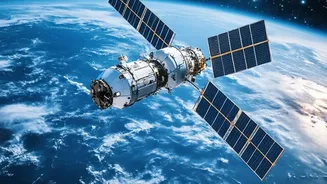
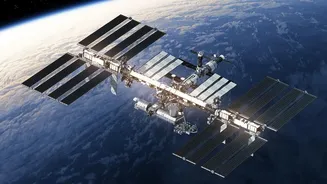
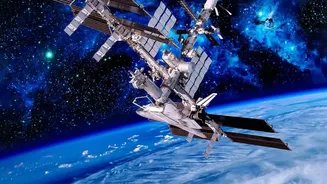
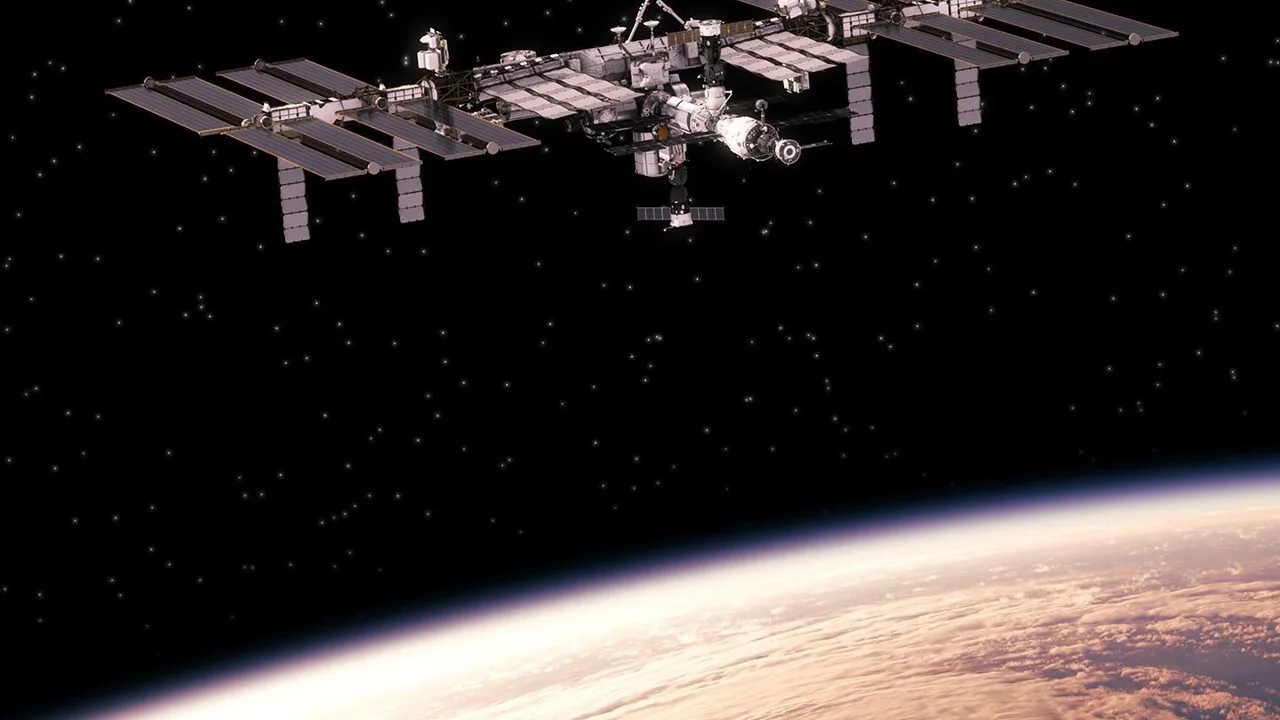
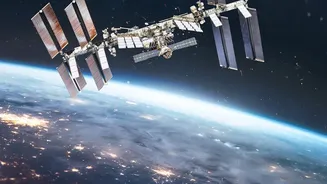
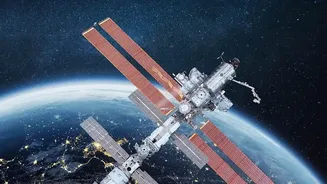
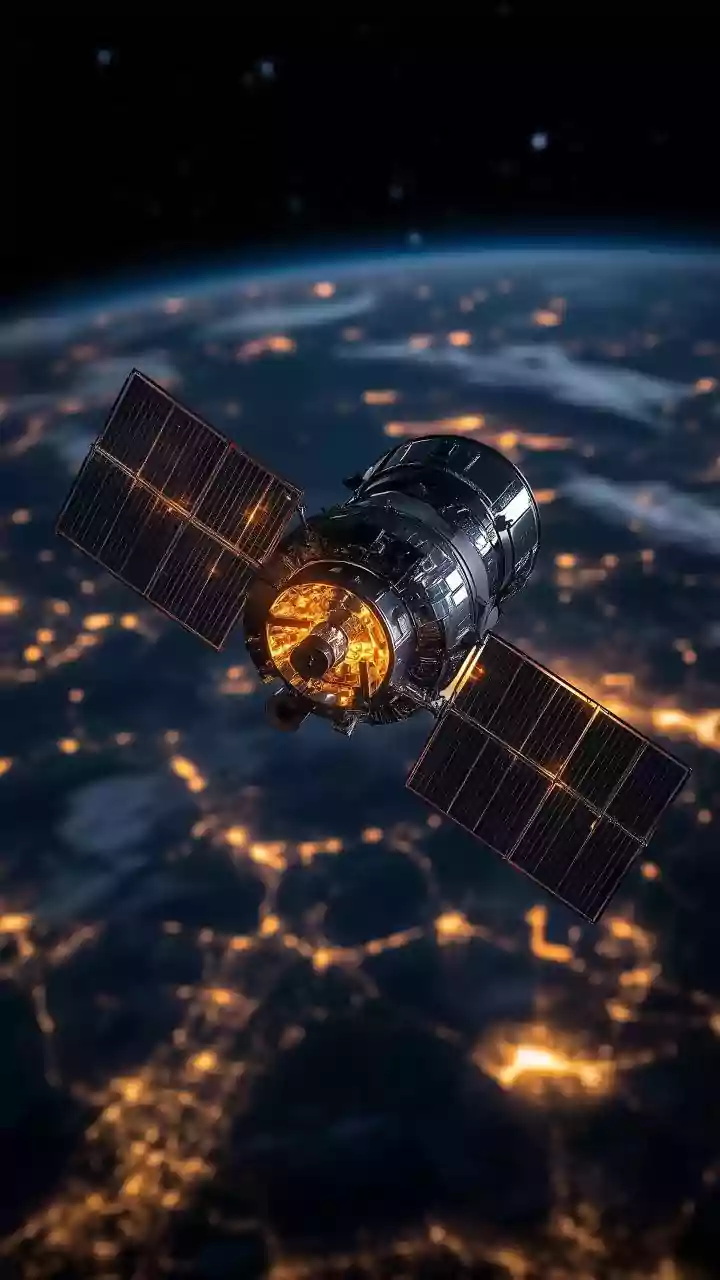
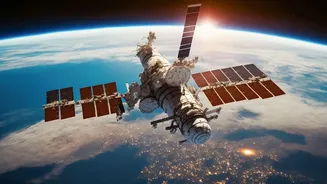
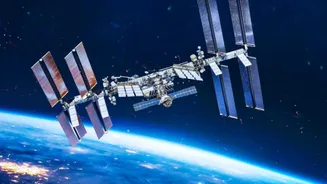
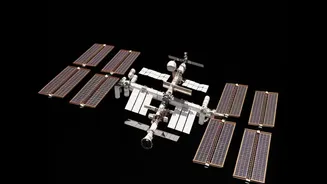
The International Space Station has been continuously inhabited by astronauts since the year 2000, serving as a hub for scientific research in orbit. It's visible from Earth not because of any lights onboard, but because its massive solar arrays and modules
reflect sunlight. For a viewing to be possible, conditions must be just right: it needs to be dark where you are on the ground, but the ISS, at its high altitude, must still be catching the sun's rays. This perfect alignment typically happens for a few hours after sunset and a few hours before sunrise. During these dawn and dusk windows, the station appears as one of the brightest objects in the sky, easily seen without any special equipment.
Step 1: Find a Viewing Time
Your first step is to find out when the ISS will pass over your specific location. Thankfully, you don't need to do any complex calculations. NASA offers an excellent free service called Spot The Station. You can visit the website and enter your city to get a list of upcoming viewing opportunities. For even more convenience, you can sign up for email or text alerts that notify you about 12 hours before a good pass is about to happen. There is also an official Spot The Station app for both iOS and Android, which provides real-time tracking and notifications. Other popular third-party apps like ISS Detector and Heavens-Above also provide reliable pass predictions.
Step 2: Understand the Sighting Details
When you get a sighting alert, you'll see a few key pieces of information. 'Appears' and 'Disappears' will tell you the compass direction where the station will first become visible and where it will vanish. A pass will almost always begin in a generally western direction. 'Max Height' is crucial; it tells you how high the station will get in the sky, measured in degrees from the horizon (0 degrees) to directly overhead (90 degrees). Passes with a higher maximum height are brighter and more impressive. 'Duration' indicates how long the station will be visible, which is typically only a few minutes. It moves incredibly fast—around 28,000 kilometres per hour—so every second counts.
Step 3: Set the Stage for Your Sighting
To ensure the best experience, a little preparation goes a long way. Head outside at least five minutes before the scheduled appearance time. This allows your eyes to adjust to the darkness, which will make spotting the bright dot of the ISS much easier. If possible, find a location with a clear view of the sky, away from tall buildings and bright city lights. A park or open field is ideal. Check the weather forecast; clear skies are essential. Finally, face the direction where the alert says the station will 'appear' and be patient.
What You Will Actually See
Don't expect to see the shape of the station with its solar panels. To the naked eye, the ISS looks like a very bright, fast-moving star or a distant airplane. The key difference is that the ISS shines with a steady, solid light; it does not have the blinking or flashing lights of an aircraft. It will move silently and steadily across the sky in a straight or slightly curved path before fading from view as it enters Earth's shadow. While you don't need any equipment, a pair of binoculars can enhance the view, making the light appear even brighter and sometimes revealing a golden hue from its solar panels. A telescope is generally not recommended for beginners, as the station moves too quickly to track easily.