
The Search for Character and Story
For years, the prevailing wisdom in interior design leaned towards minimalist, coordinated looks, often sourced from mass-market catalogues. But a shift is underway. Homeowners are increasingly seeking spaces that feel personal and layered, not assembled.
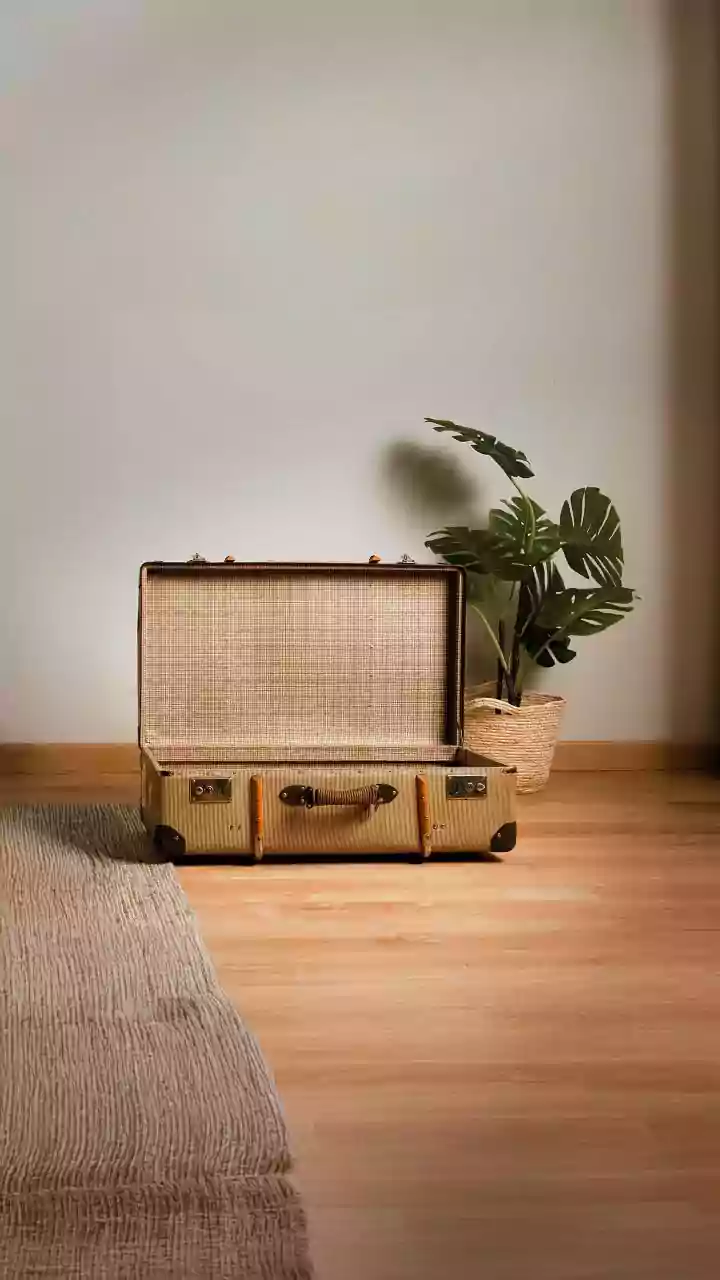
Vintage furniture offers a direct path to this authenticity. Each piece, whether a family heirloom or a find from an antique shop, carries its own history. An old teak cabinet, a colonial-era writing desk, or a sturdy sheesham trunk brings not just function but a narrative into a room, connecting the present to a rich past of craftsmanship and culture. This is less a trend and more a quiet rejection of the idea that everything in a home needs to be brand new.
Superior Craftsmanship in a Modern World
One of the most compelling reasons for the vintage revival is the sheer quality of older pieces. Before the age of particleboard and flat-packs, furniture was often built by hand from solid hardwoods like teak and rosewood, designed to endure for generations. This level of craftsmanship, with details like hand-cut joinery and intricate carvings, is a stark contrast to many contemporary mass-produced items built for shorter lifespans. As a result, a vintage find is often an investment in durability. This quality is tangible; it gives the furniture a certain presence or 'gravitas' that grounds a room and provides a sense of permanence.
The Sustainable and Conscious Choice
Choosing vintage is also an inherently sustainable act. In an era of growing environmental awareness, fast furniture is coming under scrutiny for its contribution to waste and deforestation. Opting for a pre-owned piece is a form of upcycling that extends the life of an existing object, preventing it from ending up in a landfill and reducing the demand for new manufacturing. This 'buy less, buy better' philosophy resonates with a conscious consumer mindset. The greenest piece of furniture, after all, is often the one that already exists.
How to Blend Old and New
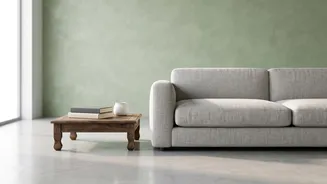
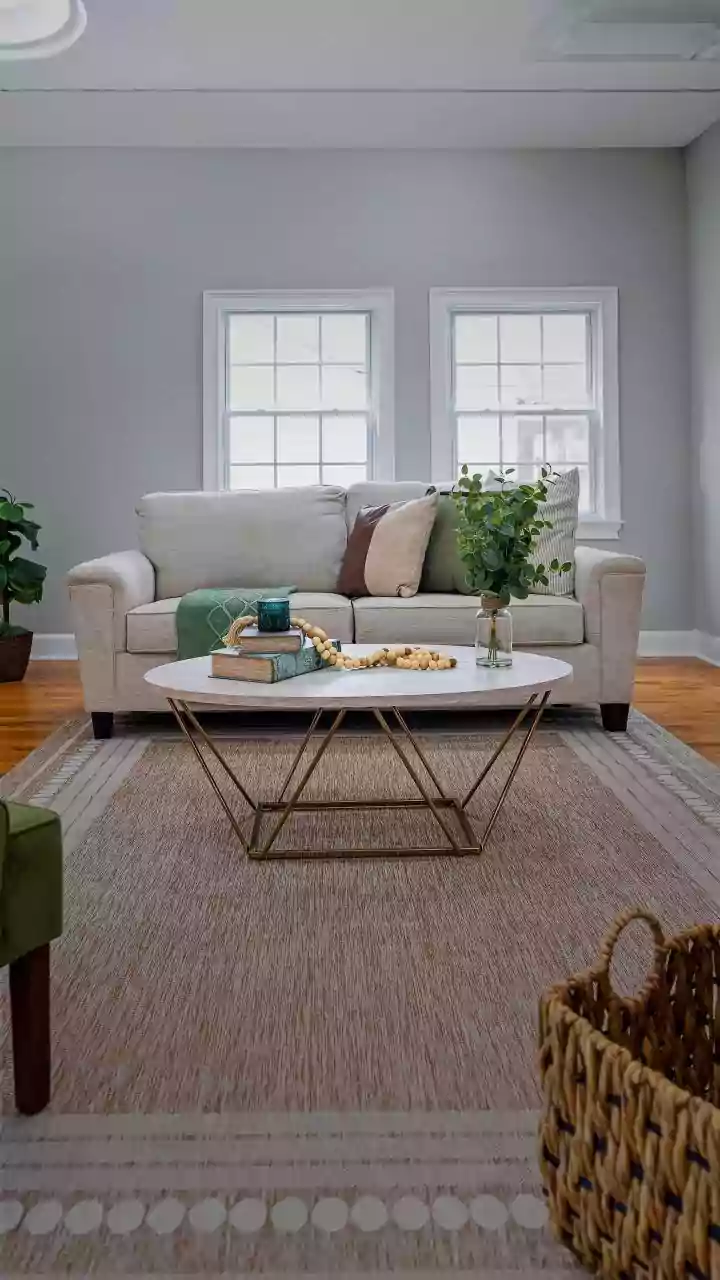
The key to incorporating vintage pieces is balance, not creating a museum. Designers suggest starting with one or two statement items to act as a focal point, such as a carved cabinet or a traditional Indian swing (jhoola). The real magic happens in the contrast. Pairing an ornate, dark wood chest with a minimalist modern sofa, or placing a vintage brass lamp on a sleek console, creates a dynamic and sophisticated look. A good rule of thumb is the 70/30 principle: let about 70% of your decor be contemporary and 30% vintage, ensuring the space feels current yet rich with history. This approach allows the heritage pieces to shine without overwhelming the room.
A Rich Tapestry of Styles
The term 'vintage' in India encompasses a vast and diverse range of styles. Colonial-era furniture, known for its use of dark woods like teak and rosewood combined with rattan or cane, remains highly sought after for its elegant and climate-responsive design. Pieces from Rajasthan, like ornate jharokhas (window frames) or painted damchiyas (chests), bring a royal grandeur. Meanwhile, repurposed architectural elements like old doors and pillars are being transformed into tables and wall art, adding unique character. This regional diversity allows for a deeply personal approach to curating a home that reflects India's varied and vibrant craft traditions.