


The Sweet Escape, No Machine Needed
The magic of no-churn ice cream lies in its incredible simplicity. For generations, homemade ice cream meant bulky machines, rock salt, and a lot of effort. The no-churn method, however, eliminates all of that. It’s a game-changer for home cooks, allowing
anyone to create a rich, creamy frozen dessert with just a few ingredients and a freezer. This accessibility is a primary driver of its popularity. In today's fast-paced world, convenience is king. The ability to whip up a batch of luxurious ice cream in minutes without specialised equipment fits perfectly into the modern Indian kitchen, where home-cooked meals are cherished but time is often scarce.
A Taste of the Tropics
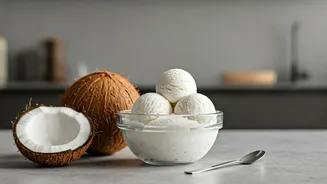
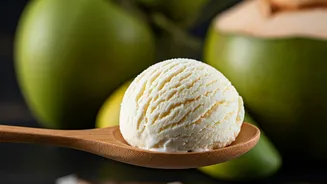
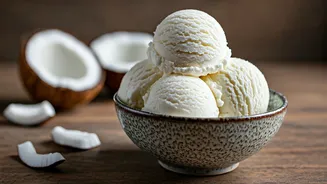
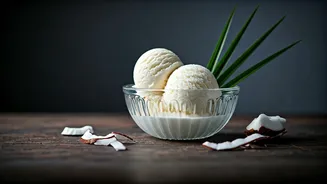
Coconut is a flavour deeply woven into the fabric of Indian cuisine, from coastal curries to festive sweets. Its fresh, mildly sweet, and nutty profile is both familiar and beloved. Tender coconut ice cream has long been a favourite, capturing the essence of drinking fresh coconut water. This no-churn version builds on that love affair, offering an authentic taste that commercial, artificially flavoured products often miss. By using coconut milk or cream, the ice cream gains a natural creaminess and a distinct tropical character that feels both indulgent and refreshingly light, making it an ideal treat for India's warm climate.
The Simple Science of Creaminess
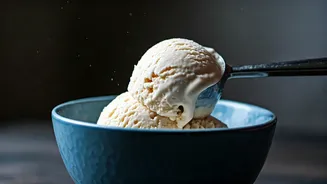
The secret to that perfect scoop without an ice cream maker often comes down to two key ingredients: whipped cream and sweetened condensed milk. Whipping cold heavy cream incorporates air, creating a light, voluminous base. Sweetened condensed milk, which has a low water content and high sugar concentration, prevents the formation of large ice crystals, ensuring a smooth, scoopable texture rather than a solid, icy block. When combined with the rich fats from coconut cream, these ingredients create a stable, velvety mixture that freezes beautifully, mimicking the texture of traditional churned ice cream.
A Healthier, Inclusive Indulgence
The rise of health and wellness consciousness has significantly influenced food trends in India. No-churn coconut ice cream fits neatly into this movement. Made from a plant-based milk, it is naturally dairy-free and vegan, making it an inclusive dessert for those with lactose intolerance or who follow a plant-based lifestyle. Coconut milk itself contains beneficial medium-chain triglycerides (MCTs) and can be lower in calories than dairy cream. This allows for a 'guilt-free' indulgence, aligning with the growing consumer desire for treats that are both delicious and mindful of health.
Your Turn in the Kitchen: An Easy Method
Ready to try it yourself? The process is remarkably straightforward. Start by chilling your mixing bowl and beaters. Whip about 2 cups of cold heavy cream (or a vegan whipping cream alternative) until stiff peaks form. In a separate bowl, gently whisk a can of sweetened condensed milk with a can of coconut cream and a splash of vanilla extract until smooth. Carefully fold the whipped cream into the coconut mixture until just combined, being careful not to deflate the air. You can also add toasted coconut flakes for texture. Pour the mixture into a loaf pan or freezer-safe container, cover, and freeze for at least six hours or overnight. For a completely vegan version, use vegan whipping cream and sweetened condensed coconut milk.
Beyond Just a Recipe
This trend is more than just about a single recipe; it reflects a broader shift in Indian culinary culture. It highlights a move towards recipes that are adaptable, require minimal equipment, and cater to diverse dietary needs. The popularity of no-churn coconut ice cream is a perfect example of how traditional flavours are being reinvented for the contemporary Indian home. It’s a dessert that brings families together, offers a cooling respite on a hot day, and empowers even novice cooks to create something truly special with ease.