



The Devout Fasts of North India
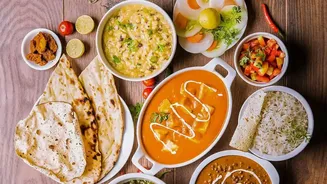
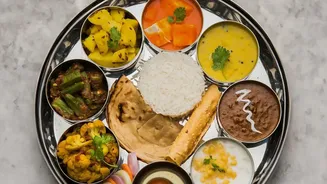
In states like Punjab, Delhi, and Uttar Pradesh, Navratri is a period of rigorous fasting. Devotees typically abstain from grains, lentils, onions, and garlic. The diet, known as 'vrat ka khana', is built around specific ingredients. Flours like Kuttu
(buckwheat) and Singhara (water chestnut) are used to make pooris and rotis. Vegetables such as potatoes and pumpkin are cooked in simple, flavourful preparations, seasoned only with rock salt (sendha namak), cumin, and black pepper. A classic meal might feature Kuttu ki Poori served with a simple Aloo ki Sabzi. Snacks like Sabudana Khichdi, made from tapioca pearls, potatoes, and peanuts, provide a much-needed energy boost during the day. The fast often concludes on the eighth or ninth day with Kanya Pujan, where young girls are worshipped and served a special meal of puri, sooji halwa, and dry black gram curry.
Gujarat's Energetic Feasting and Fasting
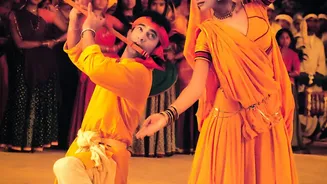
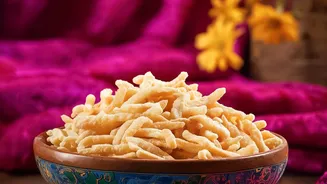
In Gujarat, Navratri is synonymous with the energetic Garba and Dandiya Raas dances that continue late into the night. The food culture here reflects this high energy. While many observe the fast, the repertoire of 'farali' (fasting) food is extensive and delicious. Dishes like Sabudana Vada (tapioca fritters), Farali Pattice (stuffed potato patties), and Moraiyo (barnyard millet) Khichdi are staples. Sweet and savoury snacks are designed to keep spirits and energy levels high. A special mention goes to the unique Gujarati drink 'Piyush', a creamy blend of shrikhand and buttermilk, which is a festive favourite. The fasting cuisine is anything but restrictive, offering a delightful array of textures and flavours that make the Navratri experience in Gujarat truly unique.
The Grand Feasts of West Bengal
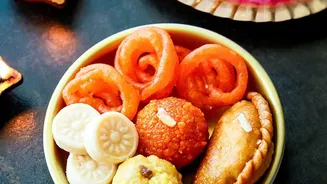
In West Bengal, Navratri coincides with Durga Puja, the state's biggest festival, and the culinary approach is one of feasting rather than fasting for most. While some devout families might observe vegetarianism, especially on Ashtami, the overall atmosphere is celebratory and indulgent. Pandals (temporary shrines) serve 'bhog'—a sacred offering to the Goddess Durga that is then distributed to devotees. The quintessential bhog includes Khichuri (a rich preparation of rice and roasted moong dal), Labra (a mixed vegetable dish), Begun Bhaja (fried aubergine), and Payesh (rice pudding). Streets and restaurants are filled with a wide array of delicacies, from Luchi (fluffy fried bread) with Aloo'r Dum to various fish curries and mutton dishes. The festival is a true gastronomic journey, culminating in sweet treats like Sandesh and Rosogolla.
South India’s Unique Golu and Sundal
In Southern states like Tamil Nadu, Karnataka, and Andhra Pradesh, Navratri is celebrated with the unique tradition of 'Golu' or 'Bommai Golu'—an elaborate display of dolls and figurines on tiered steps. Food plays a crucial role in the social aspect of this tradition. Each evening, friends and family are invited to view the Golu, and they are offered 'prasadam'. The most characteristic offering is 'Sundal', a simple yet flavourful dish made from different boiled legumes like chickpeas, black-eyed peas, or green gram, tempered with mustard seeds, curry leaves, and grated coconut. A different type of Sundal is often prepared for each of the nine nights. Alongside Sundal, sweet offerings like Payasam (kheer) are also common, making the Golu visits a delightful social and culinary custom.