



Peering Through the Cosmic Dust
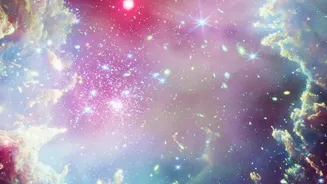
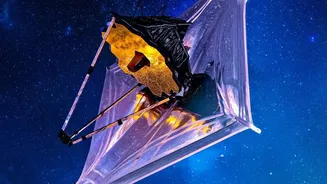
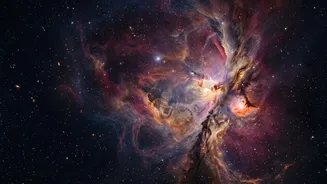
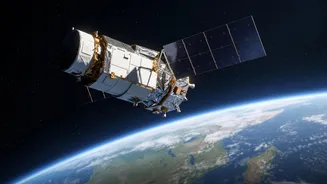
Stellar or cosmic nurseries are vast, cold clouds of gas and dust, so dense that they block visible light. This is where stars are born, but it also means traditional telescopes like the Hubble Space Telescope could only see the exterior. The James Webb
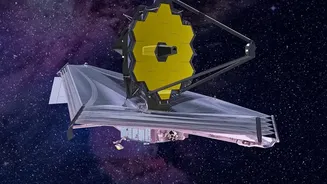
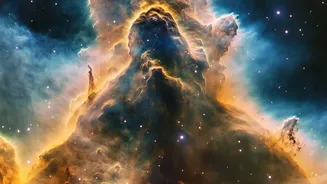
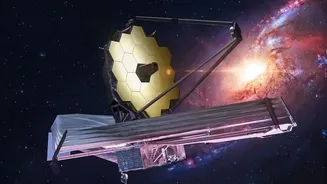
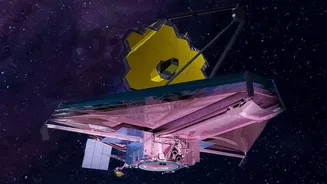
Space Telescope (JWST) is revolutionary because it sees the universe in infrared light. This longer wavelength of light can penetrate the thick dust, allowing astronomers to finally witness the processes happening deep inside these stellar cradles, much like an X-ray allows a doctor to see inside the human body. Images of regions like the Pillars of Creation or the Carina Nebula now show countless previously hidden stars.
Spotting Baby Stars in Action
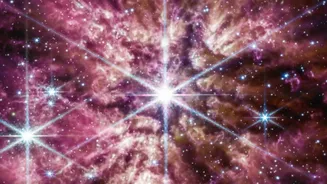
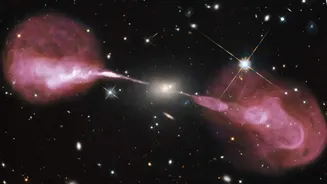
One of the most stunning revelations from JWST is the direct imaging of protostars—the very youngest baby stars. In regions like FS Tau and W51, Webb has captured these stellar infants still gathering mass from their surrounding disks. Even more dramatic are the powerful jets and outflows of material that these young stars blast out into space. In previous observations, these were often fuzzy or obscured. JWST's high-resolution infrared images show them in breathtaking detail, revealing shockwaves and intricate structures as this material slams into the surrounding gas. By studying these outflows, scientists can better understand how a star stops gathering mass and how its birth influences the formation of other stars and planets nearby.
A Universe in High Definition
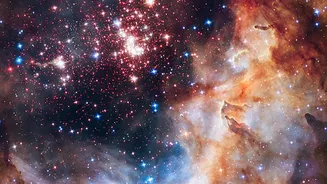
The sheer clarity of Webb's images provides a wealth of new information. Astronomers can now see how stellar winds from the hottest, most massive young stars carve out huge cavities and bubbles in the gas clouds. They can observe how this process can either halt star formation in one area or compress gas in another, triggering a new wave of star birth. This interplay of creation and destruction is fundamental to how galaxies evolve. Webb has also been able to resolve what were once thought to be single, gigantic stars into multiple-star systems, like the massive Pismis 24-1, providing a more accurate census of the universe's most massive stars.
The Ingredients for Stars and Planets
Beyond just taking pictures, the JWST is equipped with instruments that can analyze the chemical makeup of these cosmic nurseries. Its Mid-Infrared Instrument (MIRI) can identify various molecules in the gas and dust. Recent observations have provided unprecedented detail on the distribution of water, carbon-based molecules, and even complex organic molecules in these regions. These are the raw materials not just for the stars themselves, but for the protoplanetary disks that will eventually form planets. Studying this chemistry helps answer one of the biggest questions of all: Are the building blocks of life common throughout the universe, present even before planets are fully formed?