





The Search for a Lost Spectacle
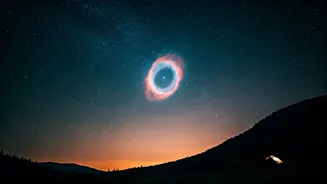
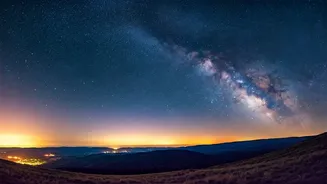
For most of human history, a sky glittering with stars was a nightly spectacle. Today, for the 80% of the world’s population living under light-polluted skies, it’s a distant memory or something never experienced at all. This phenomenon, known as 'skyglow',
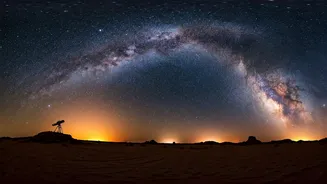
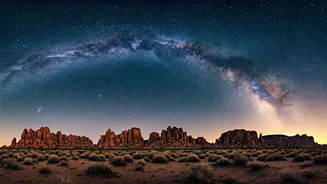
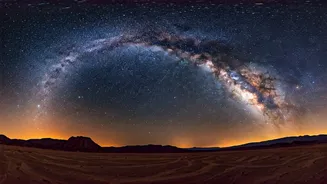
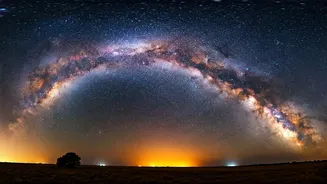
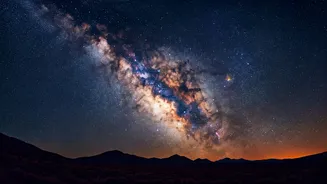
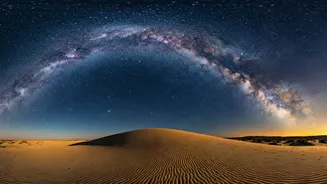
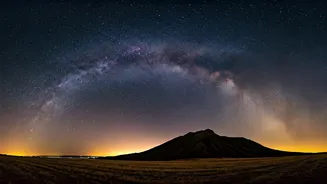
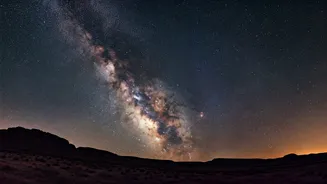
is the result of excessive and poorly aimed artificial light from our cities, which scatters in the atmosphere and effectively erases all but the brightest stars and planets. A dark-sky escape is, first and foremost, a journey to reclaim this lost heritage. It’s a deliberate choice to travel to a place where the Milky Way isn't a faint smudge, but a breathtaking river of light arching across a velvet-black dome. This simple act of seeing the sky as our ancestors did is a powerful and humbling experience that urban life has stripped away.
A Mandate for Digital Detox
The pull of a dark-sky trip goes far beyond the visual. It’s a powerful antidote to our hyper-connected, screen-saturated lives. In a world of endless notifications, emails, and social media feeds, stargazing demands the opposite: patience, stillness, and singular focus. You can’t rush the sky. You can’t multitask while trying to spot a meteor shower. The very nature of the activity forces a digital detox. In many designated dark-sky parks and reserves, mobile connectivity is patchy at best, creating a welcome barrier to the outside world. This enforced disconnection allows for a deeper connection—to the environment, to the people you’re with, and to your own thoughts. It’s a form of mindfulness, where the universe itself becomes the object of meditation.
The Wellness of Awe
Psychologists talk about the profound benefits of experiencing 'awe'—the feeling we get in the presence of something vast that transcends our understanding. Staring up at a sky filled with billions of stars, galaxies, and nebulae is a guaranteed dose of awe. This experience has been shown to reduce stress, increase feelings of generosity, and help put personal anxieties into a broader, cosmic perspective. Suddenly, that looming work deadline or minor daily frustration feels significantly smaller when you’re contemplating a star whose light has travelled for thousands of years to reach your eyes. First-time stargazers often report a feeling of profound peace and perspective shift. This isn't just tourism; it's a form of mental and emotional wellness, a reset button for a cluttered mind.
It’s Easier Than You Think
One of the biggest drivers of this trend is its accessibility. You don't need a PhD in astrophysics or a ₹2 lakh telescope to become a stargazer. The beauty of a dark-sky location is that the primary instrument you need is your own eyes. After about 20-30 minutes, your eyes will 'dark adapt', revealing a breathtaking amount of detail. Many resorts and tour operators in these areas now specifically cater to beginners. They offer guided 'star safaris' with resident experts who can point out constellations, planets, and share celestial folklore. They provide access to quality binoculars and telescopes, teaching novices how to use them. This removes the intimidation factor and makes the cosmos accessible to anyone with a sense of curiosity.
India’s Own Celestial Sanctuaries
This global trend has firm roots in India, which boasts some of the most spectacular dark-sky locations in the world. The recently designated Hanle Dark Sky Reserve in Ladakh, situated at a high altitude with clear, dry air, is a world-class destination for astronomy enthusiasts. But you don't have to travel to the Himalayas. The starkly beautiful landscapes of the Spiti Valley in Himachal Pradesh and parts of the Rann of Kutch in Gujarat offer incredible stargazing opportunities. Even closer to urban centres, places in the Western Ghats, like Coorg, or remote parts of Rajasthan provide skies dark enough for a truly memorable experience. Local eco-tourism operators and homestays are increasingly recognising this and offering curated stargazing nights for their guests, making it a viable weekend escape.