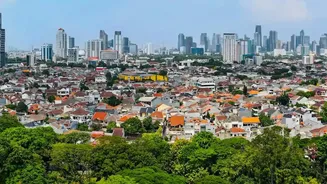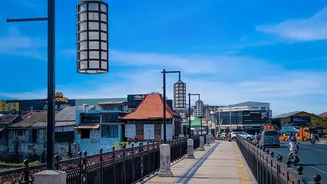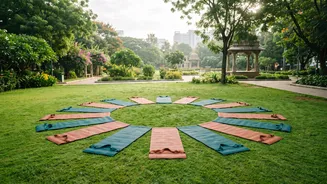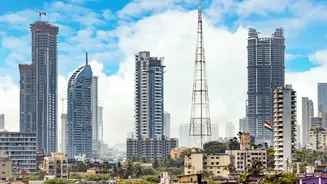

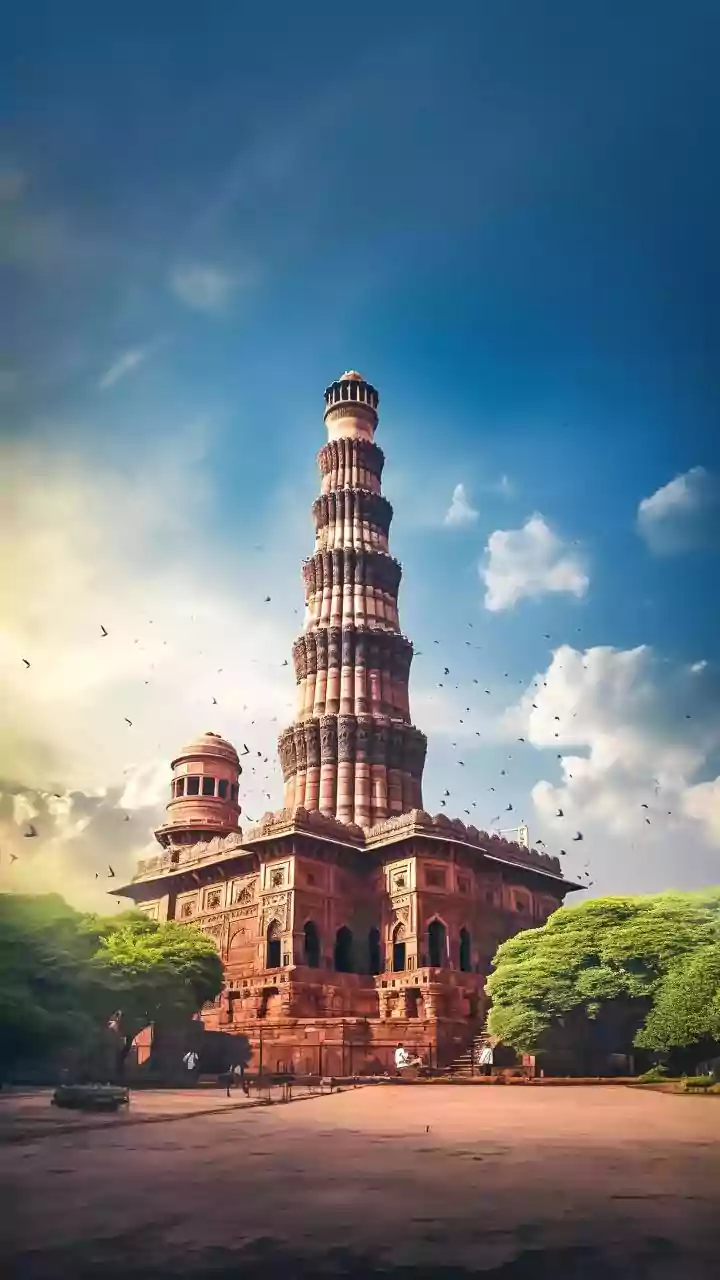






Beyond the daily rush of traffic and commerce, a quiet revolution is reshaping India's urban landscape. Cities are starting to see their streets, parks, and squares not just as functional areas, but as vital social infrastructure.
A Shift from Concrete to Community
For decades, urban planning
in India prioritised vehicle movement, often at the expense of public life. Roads were widened, flyovers were built, and open areas shrank, leading to cities that were more for commuting through than living in. However, a growing movement is pushing back against this model. Planners, citizen groups, and city governments are now collaborating to reclaim public spaces for people. The goal is to create environments that are walkable, inclusive, and designed for interaction. This shift involves turning car-dominated streets into pedestrian-friendly plazas, transforming neglected parks into vibrant community hubs, and reimagining waterfronts as accessible recreational zones. The focus is on 'placemaking'—creating quality places where people want to spend time, connect with their neighbours, and participate in civic life.
Bengaluru's Pedestrian-First Blueprint
Bengaluru has emerged as a key example of this transformation, particularly with its experiments on Church Street. The 'Clean Air Street' initiative saw the bustling road closed to vehicles on weekends, turning it into a pedestrian-only zone. An impact study by the Indian Institute of Science revealed remarkable results: a 92% increase in average daily footfall, improved air quality, and a boost for local businesses. A staggering 98% of visitors surveyed felt pedestrianisation was a good idea, citing feelings of safety and the pleasure of walking freely. The success of the pilot demonstrates a clear public appetite for people-first streets and has provided a powerful case study for other cities looking to test similar interventions.
Delhi Reclaims Its Heritage
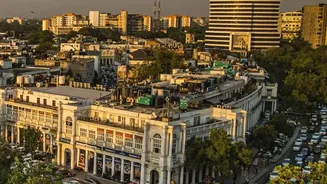
In Delhi, the ambitious redevelopment of Chandni Chowk showcases a different facet of this trend, blending heritage preservation with modern urban needs. The historic, congested thoroughfare was overhauled to create a pedestrian-priority zone, with a wide central promenade, dedicated lanes for non-motorised vehicles, and organised spaces for street furniture. The project aimed to decongest the area, improve the quality of life, and enhance the experience for shoppers and tourists by burying chaotic overhead electrical cables and restricting vehicle access during peak hours. While facing challenges, the project underscores a commitment to restoring iconic public spaces and making them accessible and enjoyable for everyone. Further plans to redevelop the nearby Town Hall complex into a cultural hub aim to continue this revitalisation.
The Power of Small, Quick Changes
Not all transformations require massive budgets or years of construction. A growing number of Indian cities are embracing 'tactical urbanism'—a strategy that uses low-cost, temporary interventions to improve public spaces. This can include creating pop-up bike lanes with paint and temporary barriers, turning parking spots into mini-parks or 'parklets', or painting colourful murals on crosswalks to improve safety. These quick projects allow cities to test ideas, gather community feedback, and demonstrate the potential for permanent changes without committing to large-scale investment. In Udaipur, for example, a tactical intervention to create safer school crossings led to more children walking to school. Though scaling up these projects remains a challenge in India, they are proving to be a powerful tool for citizen-led urban renewal.
Waterfronts and Neglected Spaces Reimagined
Across the country, communities are finding creative ways to activate overlooked public areas. In Kolkata, a space under the Gariahat flyover has become a thriving, open-toall chess club. In Mumbai, resident groups have helped transform neglected coastlines like Carter Road into popular promenades, and there are ambitious plans to redevelop the city's vast Eastern Waterfront into an integrated zone for public recreation, culture, and community life. Similarly, the Nurturing Neighbourhoods Challenge, a government initiative, has spurred cities like Rourkela and Warangal to convert dump yards and residual urban pockets into safe play areas and community spaces, especially for children and caregivers. These efforts show that a public space can be found anywhere, from a forgotten service lane to an industrial waterfront.