





Your Rights Under the DGCA
In India, passenger rights are not just airline policy; they are mandated by the Directorate General of Civil Aviation (DGCA). These rules, detailed in the Civil Aviation Requirements (CAR), outline the specific obligations airlines have towards passengers
in case of flight disruptions. This framework, often summarised in the Passenger Charter, applies to all scheduled flights operating to, from, and within India, regardless of the airline's nationality. Every traveller is protected by these rules, which cover delays, cancellations, and denied boarding. Knowing them empowers you to claim what you are rightfully owed.
When Your Flight Is Delayed
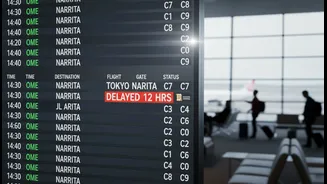
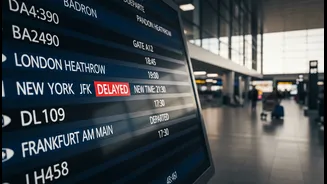
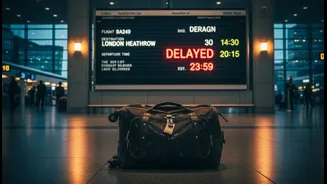
The airline's obligations begin as soon as a delay hits a certain threshold. For a delay of two hours or more, airlines must provide you with free meals and refreshments at the airport. This is a mandatory requirement, not a courtesy. If a delay stretches to six hours or more, your rights expand significantly. For domestic flights, you must be offered the option of an alternative flight or a full refund. For overnight delays, specifically for flights scheduled to depart between 8 PM and 3 AM that are delayed by over six hours, the airline must provide complimentary hotel accommodation along with transport to and from the airport. It is important to note that while airlines must provide this care, monetary compensation is generally not mandated for delays alone under Indian rules.
If Your Flight Is Cancelled
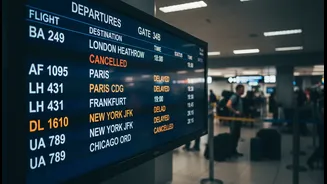
When an airline cancels your flight, your entitlements depend on when you are notified. If you are informed of the cancellation less than 24 hours before the scheduled departure, you are entitled to financial compensation in addition to being offered an alternative flight or a full refund. This compensation can range from ₹5,000 to ₹10,000, depending on the flight's duration. If the notice is given between 24 hours and two weeks before departure, the airline is obligated to offer rebooking on a comparable route. If the airline informs you more than two weeks in advance, it must offer either a full refund or an alternative flight at no extra cost. Regardless of when the flight was booked, airlines are responsible for processing refunds, which should be done within 7 days for credit card payments and 14 working days for bookings via travel agents.
Denied Boarding Due to Overbooking
Airlines in India are legally permitted to overbook flights. If you have a confirmed ticket, checked in on time, and are involuntarily denied boarding, you are entitled to significant compensation. Airlines must first ask for volunteers to give up their seats in exchange for benefits. If not enough volunteers come forward, passengers who are involuntarily bumped are entitled to compensation of up to 400% of the one-way base fare plus fuel charges, capped at ₹20,000, in addition to a full refund if you decline the alternate flight offered. The specific amount depends on how long you have to wait for the replacement flight.
The 'Force Majeure' Exception
There's a crucial exception to these rules: 'force majeure' or extraordinary circumstances. These are events outside an airline's control, such as extreme weather, political instability, or air traffic control strikes. In these situations, airlines are exempt from paying financial compensation for delays and cancellations. However, they are not exempt from their duty of care. Passengers are still entitled to a choice between a full refund or re-routing on an alternative flight. If you are already at the airport during a disruption caused by force majeure, the airline must still provide you with meals, refreshments, and hotel accommodation if an overnight stay becomes necessary.
How to File a Complaint
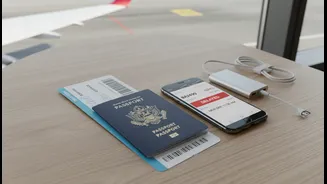
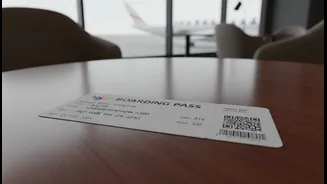
If an airline fails to provide the required assistance or compensation, you have clear steps for redressal. The first step is to file a formal complaint directly with the airline's customer service. If you are not satisfied with their response, you can escalate the issue to the DGCA's AirSewa portal, a dedicated platform for passenger grievances. Be sure to keep all relevant documents, including your boarding pass, booking confirmation, any communication from the airline, and receipts for expenses incurred. This documentation is critical for a successful claim.