



What Exactly Are Cosmic Rays?
Despite the name, cosmic rays are not a form of light. They are physical particles—mostly protons and atomic nuclei—that have been accelerated to incredible speeds by some of the most violent events in the universe. Think of them as tiny bullets fired
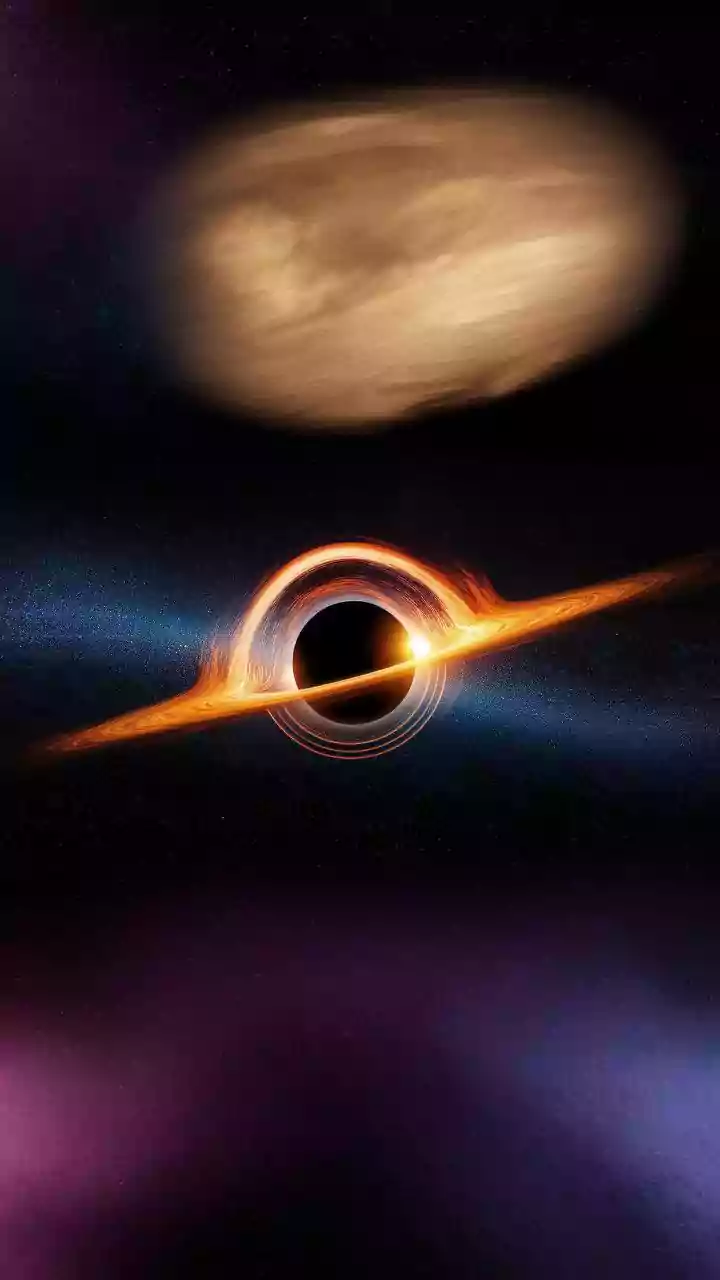
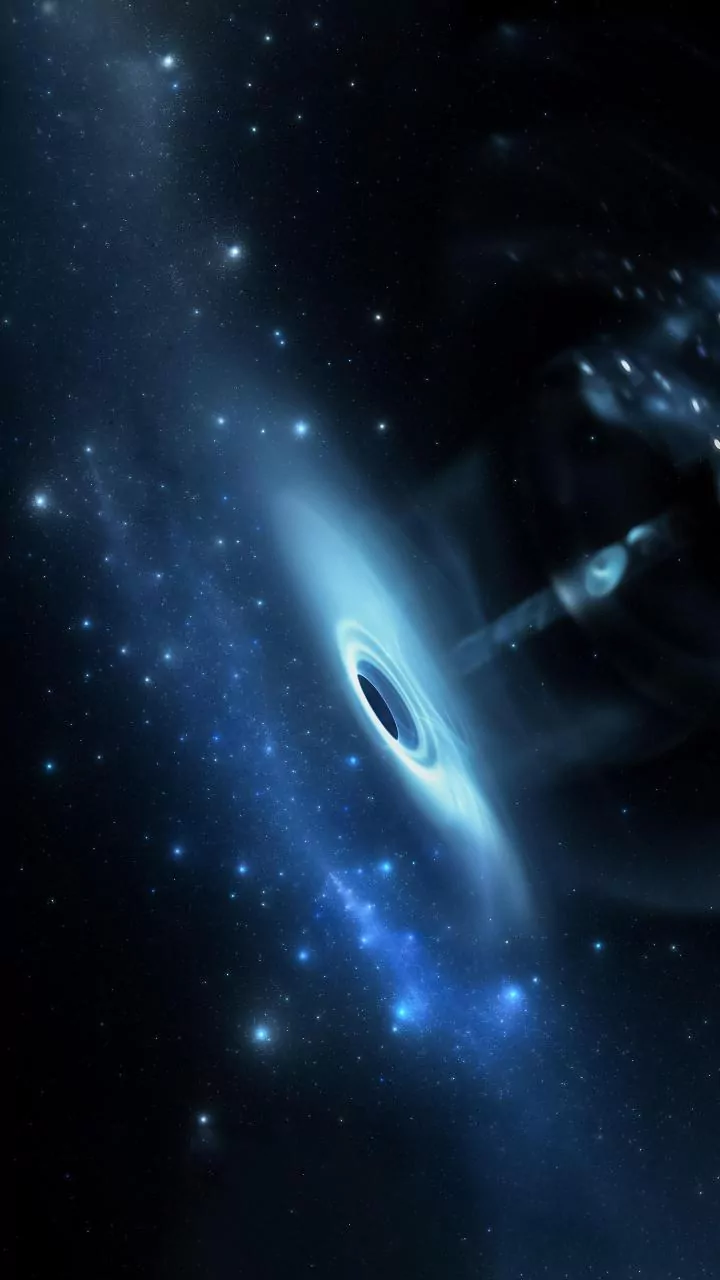
from cosmic accelerators, travelling with energies millions of times greater than anything achievable in human-made particle accelerators like the Large Hadron Collider at CERN. The lowest-energy cosmic rays come from our own sun, but the most powerful, known as ultra-high-energy cosmic rays (UHECRs), are messengers from distant galaxies. Their immense energy makes them a unique window into extreme astrophysical phenomena like exploding stars (supernovae) and the regions around supermassive black holes.
The Atmosphere as a Giant Detector
A high-energy cosmic ray almost never reaches the Earth's surface in its original form. Instead, when it strikes a molecule in the upper atmosphere, it triggers a cataclysmic chain reaction. This collision creates a cascade of billions of secondary particles—electrons, muons, and photons—that rain down towards the ground. This phenomenon is called an 'extensive air shower'. The shower of particles spreads out as it travels, sometimes covering an area of several square kilometres by the time it reaches the ground. In essence, the atmosphere acts as a natural amplifier. It turns a single, invisible incoming particle into a massive, detectable footprint, allowing scientists on the ground to study an event that happened tens of kilometres overhead.
How to 'See' an Air Shower
Since the original cosmic ray is gone, observatories are designed to detect the air shower it creates using two main techniques. One method uses an array of surface detectors spread over a vast area. A prime example is the Pierre Auger Observatory in Argentina, which has 1,600 detectors spread across 3,000 square kilometres. These detectors are often large tanks of ultra-pure water equipped with sensitive light sensors. When particles from the air shower pass through the water faster than the speed of light in that medium, they produce a faint flash of light called Cherenkov radiation, which the sensors record. The second method uses fluorescence telescopes. These instruments watch the night sky for the faint ultraviolet light that is produced when shower particles excite nitrogen molecules in the atmosphere. By combining data from both types of detectors, scientists can reconstruct the energy and trajectory of the original cosmic ray with remarkable precision.
Unlocking Secrets of the Universe
The primary goal of tracking these particles is to solve one of the biggest mysteries in astrophysics: where do the most energetic cosmic rays come from? Because cosmic rays are charged particles, their paths are bent by magnetic fields as they travel through space, making it impossible to simply trace them back to their origin. However, by studying the arrival directions of the very highest-energy particles, which are less affected by magnetic fields, scientists can look for patterns and identify potential sources. This research helps pinpoint the universe's most powerful accelerators, such as active galactic nuclei or gamma-ray bursts. Furthermore, studying the composition of cosmic rays provides a direct sample of matter from outside our solar system, offering invaluable clues about the chemical makeup of distant galaxies and the fundamental laws of particle physics under extreme conditions.