

What Is Enrichment and Why Does It Matter?
Environmental enrichment is all about making your pet's living space more engaging and stimulating. It's a way to provide opportunities for them to express natural behaviours like hunting, foraging, scratching, and exploring. For animals in smaller spaces
like apartments, this is crucial. Without healthy outlets for their instincts, pets can become bored, stressed, or anxious, which can sometimes lead to destructive behaviours like chewing furniture, scratching walls, or excessive barking. Think of it as mental exercise. Just as a daily walk is vital for a dog's physical health, enrichment activities keep their minds sharp and fulfilled. A stimulated pet is a happy pet, and these activities strengthen the bond you share.
Feline Fun: Tapping into Natural Instincts
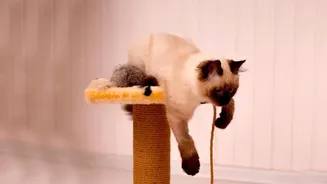
Cats are natural hunters, and even the most pampered housecat retains the instinct to stalk, chase, and pounce. You can easily cater to this indoors. Interactive wand toys with feathers or streamers mimic the movement of prey, providing an excellent outlet for their predatory drive. Rotate toys every few days to keep things novel and exciting. Another key feline behaviour is scratching. This isn't just to sharpen claws; it's also to stretch and mark territory. Providing sturdy scratching posts—both vertical and horizontal—can save your sofa from destruction. Cats also feel safer when they can survey their territory from above. Creating vertical space with a cat tree, shelves, or even just clearing a spot on a windowsill can boost their confidence and provide endless entertainment as they watch the world go by.
Engaging Your Cat’s Senses with Food and Hiding
Mealtime can be more than just filling a bowl; it can be a brain game. Instead of just serving food, use a food puzzle. These toys require your cat to bat, roll, or slide pieces to get their kibble, engaging their problem-solving skills. You can even make your own by cutting holes in a cardboard box or plastic bottle. Hiding treats around the apartment encourages your cat to 'hunt' for their food, satisfying their foraging instinct. Cats also need a safe space where they can retreat and feel secure. This doesn't have to be elaborate. A simple cardboard box left open on its side, a covered bed, or a quiet corner in a closet can serve as a perfect 'safe haven' where they can go to decompress when they feel overwhelmed.
Canine Contentment: Beyond the Daily Walk
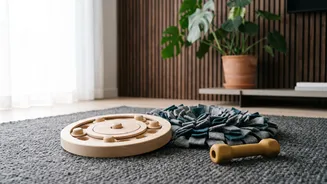
While walks are essential, apartment dogs benefit greatly from indoor activities that stimulate their powerful sense of smell. Scent work is a fantastic way to engage their brain. A simple game of 'hide and seek' with treats or their favourite toy can keep them occupied and happy. You can also create a 'snuffle mat' or simply roll treats up in an old towel to encourage them to forage. For many dogs, 15 minutes of intense mental work can be as tiring as a long walk. Chewing is another natural and highly rewarding behaviour for dogs of all ages. It helps relieve stress and anxiety by releasing feel-good endorphins. Providing safe and durable chew toys can prevent destructive chewing on shoes or furniture and offers a great way for them to wind down.
Brain Games and Indoor Agility for Pups
Puzzle toys are not just for cats. Treat-dispensing toys for dogs challenge them to think and problem-solve to get their reward. There are many types available, from simple balls that release kibble to more complex puzzles with sliders and levers. You can also build a simple indoor obstacle course. Use pillows to crawl over, chairs to weave through, and blankets to create tunnels. Guiding your dog through the course is a fun bonding activity that provides both physical and mental exercise. Short, positive training sessions are another form of enrichment. Teaching a new trick or reinforcing old commands keeps their mind active and strengthens their communication. These activities are perfect for rainy days or when you can't get outside for long periods.